
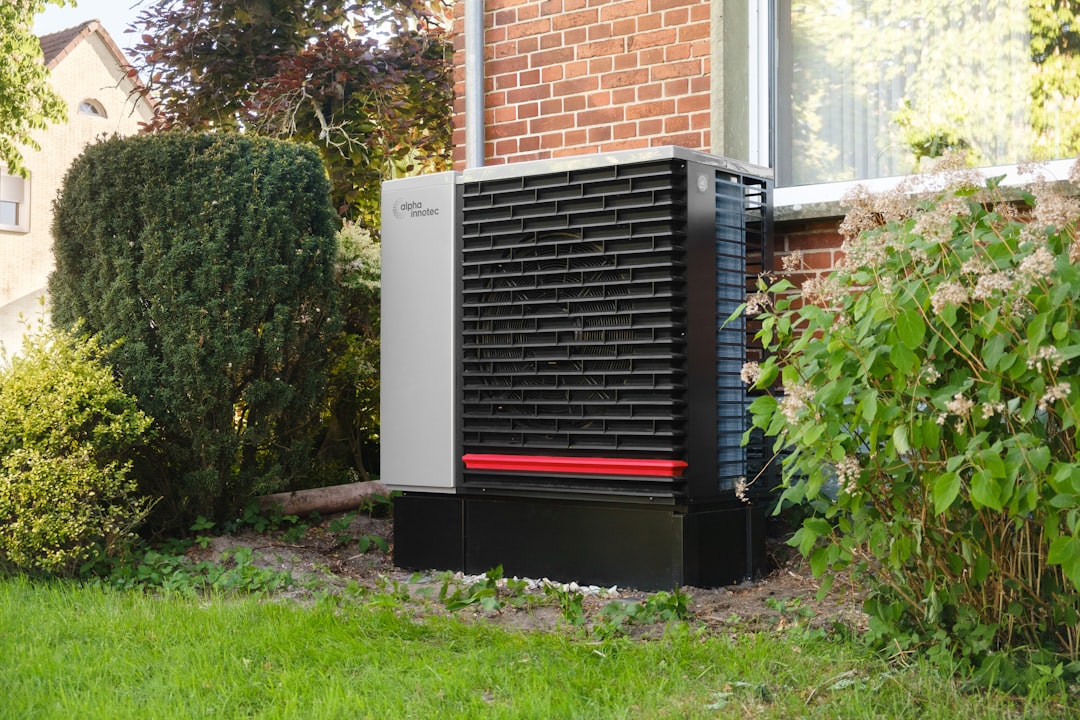
Air source heat pumps have become increasingly popular across the UK as households seek ways to reduce energy bills and lower their carbon footprint. However, many homeowners remain uncertain about whether this technology is right for them, particularly regarding the upfront costs and realistic savings potential. This guide breaks down everything you need to know about air source heat pumps to make an informed decision.
What Are Air Source Heat Pumps?
An air source heat pump is a renewable heating system that extracts heat from outside air—even when temperatures are cold—and transfers it indoors to warm your home and provide hot water. Think of it as reversing the process of an air conditioning unit. The system uses electricity to operate, but because it moves heat rather than generates it, it can deliver three to four times more energy than it consumes, making it considerably more efficient than traditional heating methods.
There are two main types: air-to-air systems, which provide heating and cooling, and air-to-water systems, which work with radiators and underfloor heating to heat your entire home and provide domestic hot water.
Installation Costs in the UK
The installation cost is undoubtedly the biggest barrier to adoption. For most UK homes, you can expect to pay between £8,000 and £15,000 for a complete air source heat pump installation, depending on several factors:
- System type: Air-to-water systems typically cost more than air-to-air alternatives
- Property size: Larger homes require more powerful systems and longer pipe runs
- Installation complexity: Older properties or those requiring substantial pipework adjustments will incur higher costs
- Existing heating system: Replacing an old boiler with an air source heat pump may require upgrades to your radiators or heating system
- Location: Rural properties may face higher installation costs due to travel time for engineers
It’s crucial to obtain quotes from multiple MCS (Microgeneration Certification Scheme) certified installers to compare pricing and specifications.
Government Support and Grants
The government recognises the importance of transitioning to renewable heating and offers financial support. The Boiler Upgrade Scheme (BUS) provides grants of £5,000 towards the cost of installing an air source heat pump. This significantly reduces your net expenditure and improves the financial case for installation.
To qualify, your home must have an EPC (Energy Performance Certificate) rating of D or better. The grant applies whether you’re replacing a boiler or upgrading from an existing system. Additionally, some energy suppliers and local authorities offer their own incentive schemes, so it’s worth checking what’s available in your area.
Annual Running Costs vs Traditional Heating
Understanding running costs is essential for calculating your payback period. An air source heat pump’s efficiency means it typically costs 30-50% less to run than a gas boiler, depending on current energy prices and your system setup.
For a typical three-bedroom detached house, annual heating costs with an air source heat pump average around £1,200-£1,500. Compare this to a gas boiler, which might cost £1,500-£2,000 annually at current rates. However, these figures fluctuate with energy tariffs, so it’s worth checking Ofgem’s latest price cap updates to understand how your household compares.
The running cost advantage becomes even more pronounced if you have access to an Economy 7 electricity tariff or can shift heating usage to off-peak hours, as heat pumps operate efficiently during these periods.
Realistic Savings Over Time
With a £5,000 government grant reducing your initial outlay to approximately £8,000-£10,000, and annual savings of £300-£800 compared to gas heating, your payback period typically ranges from 10 to 15 years. This might seem lengthy, but remember that heat pumps have a lifespan of 20-25 years, meaning you’ll enjoy a decade of pure savings after breaking even.
These savings improve further if you combine your heat pump with other energy-saving measures. Installing a smart thermostat, improving insulation, and upgrading to double or triple glazing can enhance efficiency and reduce the overall energy your heat pump needs to deliver.
Factors Affecting Your Savings
Several variables influence how much you’ll actually save:
- Home insulation: Poorly insulated properties require more energy to heat, reducing heat pump efficiency
- Electricity rates: Your electricity tariff is crucial—some suppliers offer dedicated heat pump rates
- Heating requirements: Older properties and those in colder regions need more heating
- System usage: How you operate your heat pump affects efficiency and costs
- Hot water demands: Larger households with higher hot water usage see greater benefits
Is an Air Source Heat Pump Right for You?
Air source heat pumps work best in homes where you can address any insulation gaps first. Before installation, consider improving loft insulation, cavity wall insulation, and draught-proofing. These relatively inexpensive upgrades dramatically improve your heat pump’s efficiency and boost your annual savings.
They’re particularly suitable if you have radiators (for air-to-water systems) or space for wall-mounted indoor units (for air-to-air systems). Properties with good insulation, reasonable space outside for the external unit, and realistic expectations about the payback timeline are ideal candidates.
Key Takeaways
Air source heat pumps represent a sound long-term investment for UK homeowners serious about reducing energy bills and lowering their environmental impact. Whilst the upfront costs remain significant, the government grant, improving electricity efficiency, and two-decade lifespan make them financially viable for most homes.
The key to maximising your savings is combining heat pump installation with broader energy efficiency improvements and choosing an electricity tariff designed for heat pump users. As energy prices remain volatile and our commitment to net-zero emissions intensifies, heat pumps will become increasingly important in the UK’s heating landscape.
Before committing, obtain quotes from multiple MCS-certified installers, check your eligibility for the Boiler Upgrade Scheme, and assess your home’s insulation levels. By taking these steps and understanding the realistic timescales involved, you can make a confident decision about whether this renewable technology suits your household.
