
Understanding Cavity Wall Insulation in 2026
As we head further into 2026, homeowners across the UK are increasingly asking whether cavity wall insulation remains a worthwhile investment. With energy bills remaining volatile and heating costs climbing, understanding the real value of this home improvement is crucial for your finances.
Cavity wall insulation involves filling the gap between your home’s inner and outer brick walls with insulating material. This relatively straightforward upgrade can significantly reduce how much heat escapes through your walls, which typically accounts for around 35% of heat loss in uninsulated homes.
The Current Energy Crisis Context
Unlike previous years, 2026 presents a unique energy landscape. Ofgem’s price cap continues to fluctuate, with many households facing higher standing charges and unit rates than anticipated. The average household’s heating costs have stabilised somewhat compared to the crisis of 2022-2023, but remain substantially higher than pre-pandemic levels.
This makes energy-saving measures more relevant than ever. While the dramatic price spikes have subsided, the baseline cost of heating your home remains elevated. Installing cavity wall insulation now could insulate you (literally and figuratively) against future price increases.
Real Financial Returns: What’s the Actual Saving?
If your home has uninsulated cavity walls, you could save between £100 and £300 annually on your heating bills, depending on several factors:
- Your property’s size and age
- Current insulation levels in other areas (loft, floor)
- Your local climate zone
- Your heating system’s efficiency
- How well-maintained your boiler is
The Energy Saving Trust estimates that cavity wall insulation can reduce energy consumption by around 5-10% in a typical semi-detached house. For a household currently paying £2,000 annually for heating (typical for 2026), that translates to £100-£200 in yearly savings.
Installation Costs and Payback Period
Professional cavity wall insulation typically costs between £1,200 and £1,800 for a semi-detached or terraced house, with larger properties costing more. This makes the payback period roughly 6-12 years without any grants or support.
That might sound long, but consider that insulation doesn’t deteriorate like boilers or other mechanical components. You’re making a permanent improvement to your property that will continue saving energy for decades.
Additionally, improved insulation increases your home’s EPC rating, potentially adding value when you sell and making your property more attractive to buyers increasingly concerned about energy efficiency.
Government Support and Grants Available
This is where cavity wall insulation becomes significantly more attractive. While some schemes have changed, several support options exist in 2026:
Great British Insulation Scheme: Though launched as a temporary initiative, check with your local authority about any remaining funding. This scheme offered subsidised insulation work for eligible households.
Energy Company Obligation (ECO): Whilst scaled back, some energy suppliers still offer support. It’s worth contacting your supplier directly to ask about any insulation schemes they fund.
Local Authority Schemes: Many councils run their own energy-saving initiatives. Contact your local council’s environmental or housing department for current opportunities.
If you can access grants covering 50-75% of costs, your payback period shrinks dramatically to 2-4 years, making the investment substantially more sensible.
Is Your Home Suitable?
Not all homes are good candidates for cavity wall insulation. Before committing, check:
- Do you have cavity walls? Pre-1930s solid brick homes don’t—these require different solutions like external rendering or internal insulation (more expensive and disruptive)
- Are your cavities already insulated? Request a survey to confirm; some properties were insulated decades ago
- Is there moisture damage? Cavity wall insulation can trap moisture if existing damp issues exist. Have surveyed first
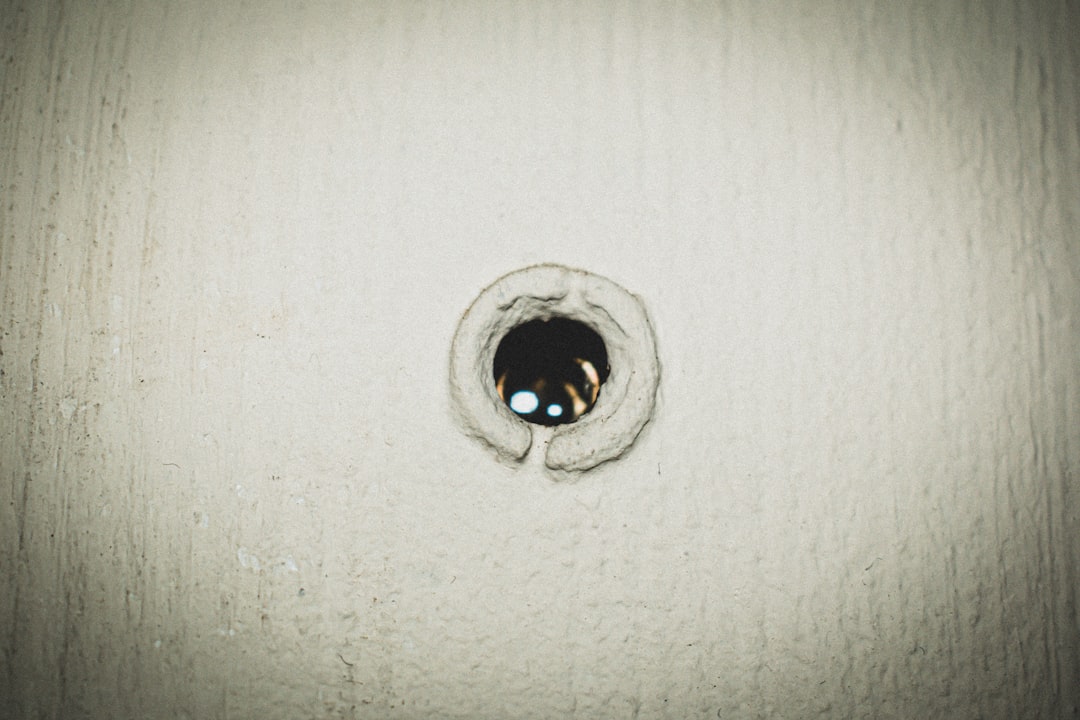
- Will it affect your aesthetics? Installation requires small holes in external walls, though these are typically made discreetly
A professional surveyor (£150-£300) will identify whether your home is suitable and whether existing issues need addressing first.
Combining with Other Improvements
Cavity wall insulation works best as part of a comprehensive energy-efficiency strategy. Consider combining it with:
- Loft insulation (often cheaper and very effective)
- Draught-proofing around windows and doors
- Boiler upgrades to modern condensing models
- Hot water tank insulation jackets
Completing multiple improvements together often qualifies for better grant support and maximises your overall energy savings.
The Verdict for 2026
Cavity wall insulation remains worth considering in 2026, particularly if:
- You have confirmed uninsulated cavity walls
- You plan to stay in your home for at least 6-10 years
- You can access grant funding
- Your property doesn’t have existing damp or moisture issues
- Your surveyor confirms suitability
However, if you have limited funds, prioritise loft insulation first—it’s cheaper, quicker to install, and often delivers comparable or better returns. Only proceed with cavity wall work after loft and ground floor insulation are in place.
Energy prices aren’t falling significantly in 2026, making any genuine energy-saving measure increasingly valuable. With potential payback periods of 6-12 years and ongoing savings thereafter, cavity wall insulation deserves serious consideration as part of your home’s long-term efficiency plan.
Next Steps
Start by requesting a free survey from a reputable installer accredited by TrustMark or the Cavity Insulation Guarantee Agency (CIGA). Ask about current grant opportunities specific to your region. Get quotes from at least three providers, and don’t let anyone pressure you into immediate decisions. Compare the true costs and savings carefully, and only proceed when you’re confident about suitability and support options. Your future heating bills—and your home’s value—will thank you for the investment.