
Understanding Heat Pumps and How They Work
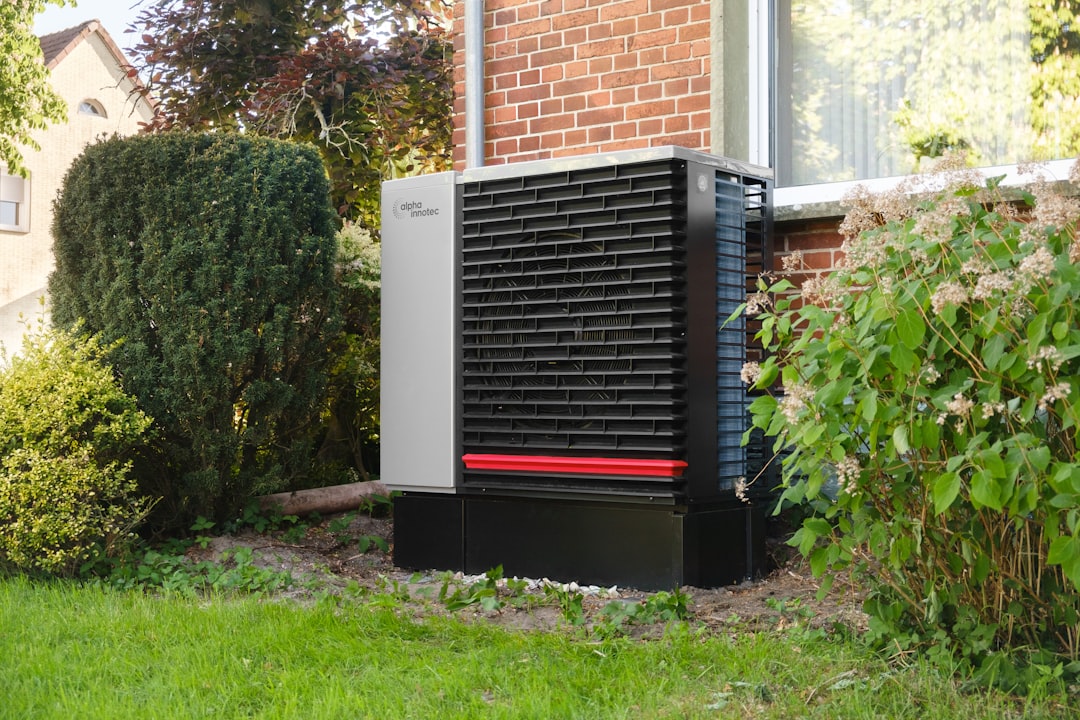
Heat pumps have become increasingly popular across UK homes as homeowners seek ways to reduce their energy bills and carbon footprint. Unlike traditional boilers that burn fuel to generate heat, air source heat pumps extract warmth from outside air—even in cold weather—and transfer it indoors to heat your home and water. Ground source heat pumps work similarly but use heat from the earth, though they’re significantly more expensive to install.
The technology is proven and widely used across Scandinavia and northern Europe, where climates mirror the UK’s. However, whether they’re worth the investment depends on several factors specific to your property and circumstances.
The Upfront Costs: What You’ll Actually Pay
Let’s address the elephant in the room: heat pumps aren’t cheap. An air source heat pump installation typically costs between £8,000 and £13,000, whilst ground source systems can reach £25,000 or more. These figures far exceed the cost of replacing a traditional boiler, which usually runs £2,000 to £4,000.
However, the government’s Boiler Upgrade Scheme (BUS) provides a £5,000 grant towards the installation of heat pumps, significantly reducing your out-of-pocket costs. This brings many installations down to around £3,000 to £8,000 after the grant. It’s worth checking whether you’re eligible on the Gov.uk website, as eligibility criteria do apply.
You should also factor in potential modifications to your property. If you’re moving away from a gas boiler, you may need to decommission your gas supply. Larger radiators or underfloor heating often perform better with heat pumps than standard radiators, which could mean additional investment.
Calculating Your Annual Energy Savings
The potential savings depend heavily on your current heating system and energy tariffs. If you’re switching from electric heating, savings will be modest—perhaps 10-15% annually. However, if you’re replacing a gas boiler, you could save considerably more.
Heat pumps have a coefficient of performance (COP) of roughly 3 to 4, meaning they produce three to four units of heat for every unit of electricity consumed. Compare this to gas boilers at around 90% efficiency, and the picture becomes clearer. The actual savings depend on your current Ofgem price cap rate and your electricity tariff.
For a typical semi-detached house with a £1,500 annual gas bill, switching to a heat pump might reduce heating costs to £1,200-£1,300 annually—a saving of £200-£300 per year. At current electricity rates, this means the payback period is approximately 20-30 years, though this timeline improves if electricity becomes cheaper relative to gas or if your property is poorly insulated (where heat pumps deliver greater efficiency gains).
How Your Home’s Energy Efficiency Affects Returns
Heat pumps perform best in well-insulated properties. If your home has poor insulation, draughty windows, and an older fabric, a heat pump will work harder and deliver less impressive savings. Before investing in a heat pump, consider upgrading your insulation, sealing draughts, and installing modern windows. These improvements often cost less and provide faster payback periods whilst also improving your heat pump’s efficiency.
Getting an Energy Performance Certificate (EPC) assessment will help identify where heat loss occurs. Many homeowners find that improving insulation first, then installing a heat pump, represents a more cost-effective strategy than installing the heat pump alone.
Government Support and Future Incentives
Beyond the Boiler Upgrade Scheme’s £5,000 grant, the government has signalled interest in supporting heat pump adoption further. Some councils and local authorities offer additional grants or interest-free loans. It’s worth checking with your local authority about supplementary schemes.
The energy landscape is changing rapidly. With government targets to move away from gas heating and the ongoing reduction in electricity costs due to renewable energy investments, heat pumps become increasingly attractive over time. If you plan to stay in your home for 15+ years, you’re more likely to benefit financially from the installation.
Other Advantages Beyond Cost Savings
Financial returns aren’t the only consideration. Heat pumps offer several other benefits worth weighing:
- Environmental impact: Significantly lower carbon emissions, especially as the UK grid becomes greener with renewable energy
- Reduced maintenance: Fewer moving parts than boilers and typically last 20-25 years with minimal servicing
- Improved comfort: Consistent, gentle heating without the temperature fluctuations some people experience with boilers
- Modern heating: Integration with smart thermostats and smart home systems
- No gas supply needed: Freedom from gas supply infrastructure and associated costs
Potential Drawbacks to Consider
Heat pumps aren’t perfect for every situation. Noise can be an issue—outdoor units produce 40-50 decibels, roughly equivalent to a quiet conversation. If you have close neighbours or limited outdoor space, this matters. Some properties lack suitable outdoor areas for air source heat pump installation.
Installation disruption is significant. You’ll need to manage pipework modifications, radiator upgrades, and system commissioning. Additionally, if electricity prices rise relative to gas (though unlikely given current trends), your savings margin could shrink.
Making Your Decision
Heat pumps are worth it if you:
- Plan to stay in your home for 15+ years
- Have a well-insulated property or are willing to improve insulation first
- Can access the £5,000 Boiler Upgrade Scheme grant
- Have a suitable location for outdoor heat pump installation
- Care about environmental impact alongside financial returns
- Want to future-proof against potential gas supply changes
Heat pumps may not be worthwhile if you’re renting, planning to move within five years, or have a poorly insulated property where the upfront investment in insulation improvements would be better prioritised.
Take Action Today
If you’re considering a heat pump, start by getting a professional survey from an MCS (Microgeneration Certification Scheme) accredited installer—they can assess your property’s suitability and provide detailed cost-benefit analyses. Check your eligibility for the Boiler Upgrade Scheme grant immediately, as schemes can change. Compare quotes from multiple installers and don’t rush the decision. Finally, consider combining heat pump installation with insulation improvements for maximum long-term savings and comfort. Your home’s energy efficiency is an investment that pays dividends for years to come.
