
What Is Octopus Agile?
Octopus Agile is a groundbreaking electricity tariff offered by Octopus Energy, one of the UK’s leading energy suppliers. Rather than charging a fixed rate per kilowatt-hour throughout the year, Agile passes on wholesale energy prices directly to customers, with rates changing every half-hour based on actual market demand and supply.
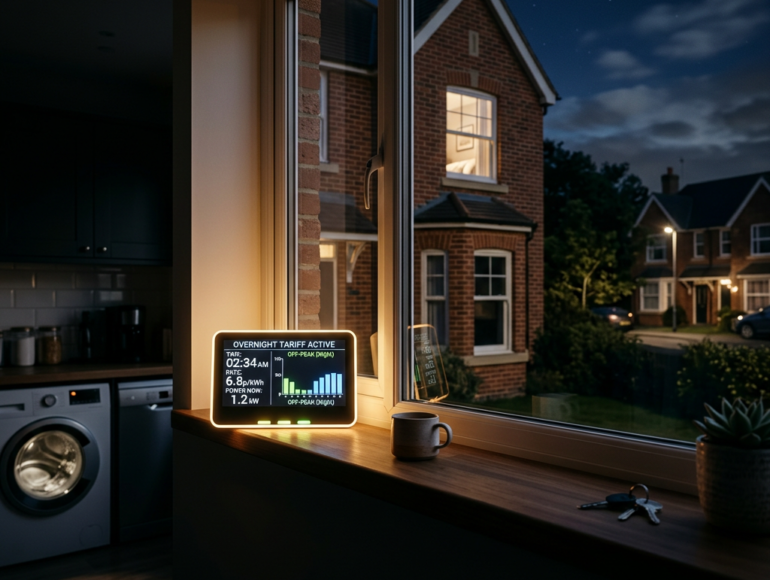
The concept is straightforward: when electricity demand is low and supply is plentiful, prices drop significantly. Conversely, during peak times when everyone’s using energy simultaneously, prices climb higher. This dynamic approach means your unit rate could be as low as 5p per kWh during off-peak hours or reach 60p+ during peak periods, depending on market conditions and grid demand.
Octopus Energy introduced this tariff to encourage smarter energy consumption patterns and reward customers willing to shift their usage away from peak times. It’s particularly suited to those with flexibility in when they use electricity, though Ofgem-regulated protections are in place to ensure consumer fairness.
How Does the Pricing Work?
Understanding Octopus Agile’s pricing mechanism is essential before switching. Every half-hour of every day receives a different unit rate, published in advance so you know exactly what you’ll be charged. The app provides real-time visibility of current and upcoming prices, allowing you to plan accordingly.
Prices typically peak between 4-9pm when most households prepare meals, heat homes, and use heating systems. Early mornings and afternoons often offer cheaper rates. Remarkably, Octopus occasionally offers negative pricing periods, meaning the supplier actually pays customers to use electricity during extreme oversupply situations—though this remains rare.
On top of the variable unit rate, you’ll pay a fixed daily standing charge, currently around 60p per day, regardless of consumption. This covers the cost of maintaining your connection to the grid. Your total bill combines this fixed charge with whatever you pay for actual consumption based on half-hourly usage patterns.
Who Benefits Most from Agile?
Octopus Agile isn’t suitable for everyone, and honest assessment of your lifestyle is crucial before switching. You’ll benefit most if you:
- Work from home with flexibility over when you use appliances
- Have storage heaters or heat pumps that can operate during cheap-rate periods
- Own an electric vehicle you can charge strategically during low-price windows
- Are willing to shift laundry, dishwasher runs, and cooking to cheaper hours
- Have an understanding household that embraces this conscious approach to energy use
Conversely, if you work traditional office hours and have minimal control over peak-time usage, Agile may prove more expensive than a standard fixed tariff. Families with young children, established routines, or those unable to adapt habits should carefully consider whether flexibility is realistic.
Potential Savings and Costs
Real savings depend entirely on your ability to shift consumption patterns. Some Octopus Agile customers report savings of £300-500 annually by charging electric vehicles during cheap periods and running appliances strategically. Others make negligible savings or discover the tariff costs more than their previous arrangement.
The key variable is your baseline consumption pattern. If you’re already conscious about energy use and have genuinely flexible habits, Agile rewards this behaviour. However, those accustomed to using energy whenever convenient may find themselves paying premium prices during peak hours, actually increasing their bills.
Installation of a smart meter is mandatory—Octopus will arrange this free of charge. Smart meters enable half-hourly metering and are increasingly standard across UK properties, so this shouldn’t be a barrier to switching.
Practical Tips for Maximising Savings
If you do switch to Octopus Agile, these actionable strategies help optimise savings:
- Download the Octopus app and check prices before using high-consumption appliances
- Schedule your dishwasher and washing machine for cheap-rate periods, typically late evening or early morning
- Set up electric vehicle charging timers to activate during the cheapest hours
- Consider delaying non-urgent electricity use if prices appear particularly high that day
- Monitor your usage patterns monthly to identify opportunities for further optimisation
- Share responsibility with household members, ensuring everyone understands the tariff’s principles
Potential Drawbacks to Consider
Before switching, acknowledge some genuine disadvantages. The tariff requires genuine commitment and monitoring—it’s not a passive saving. You need reliable technology access and the mental energy to consistently make decisions about when to use appliances. Some people find this stressful or disruptive to normal routines.
Additionally, during cold winters when heating demand is highest, prices spike dramatically. You’ll pay premium rates for essential heating when you have little choice but to use it. Price volatility can feel unpredictable, and unexpected high-priced periods might shock those unfamiliar with market fluctuations.
Octopus Energy’s customer service has faced criticism during periods of high demand, so ensure you’re comfortable with their support arrangements before committing.
Comparing to Standard Tariffs
Before switching from a fixed-rate tariff, request a personalised comparison quote from Octopus. Use comparison websites to understand whether Agile would cost more or less than your current arrangement, but remember these calculators use average usage profiles—your actual experience depends on genuine behaviour change.
The safety net: Ofgem protects all consumers with price caps on standard variable tariffs. Though Agile operates differently, you’re protected by consumer rights and cannot be unexpectedly charged extortionate rates without warning.
Is Octopus Agile Worth It?
The honest answer: it depends entirely on your circumstances, flexibility, and commitment. For remote workers, electric vehicle owners, or those genuinely willing to adapt routines, Agile can deliver substantial savings alongside environmental benefits by encouraging grid-balancing behaviour.
For those with fixed routines, families unable to adjust consumption patterns, or those unwilling to monitor rates regularly, a standard fixed tariff remains better value. The tariff rewards proactive management; passive users won’t see savings.
Next Steps
Ready to explore whether Octopus Agile suits your household? Visit the Octopus Energy website for a personalised quote and detailed tariff documentation. Review your current usage patterns honestly—could you realistically shift consumption to cheaper periods? Do you have flexible work arrangements? Discuss with your household whether everyone would embrace this approach.
Get quotes for comparison, read recent customer reviews about their experience, and consider a trial period if you’re uncertain. The decision should be informed and deliberate, not impulsive.
Ultimately, smart energy choices start with understanding your own usage patterns and lifestyle. Octopus Agile represents innovation in UK energy markets—embrace it thoughtfully if it genuinely fits your circumstances, or stick with traditional tariffs if flexibility isn’t realistic. Either way, choosing consciously about your energy consumption is always worthwhile.