
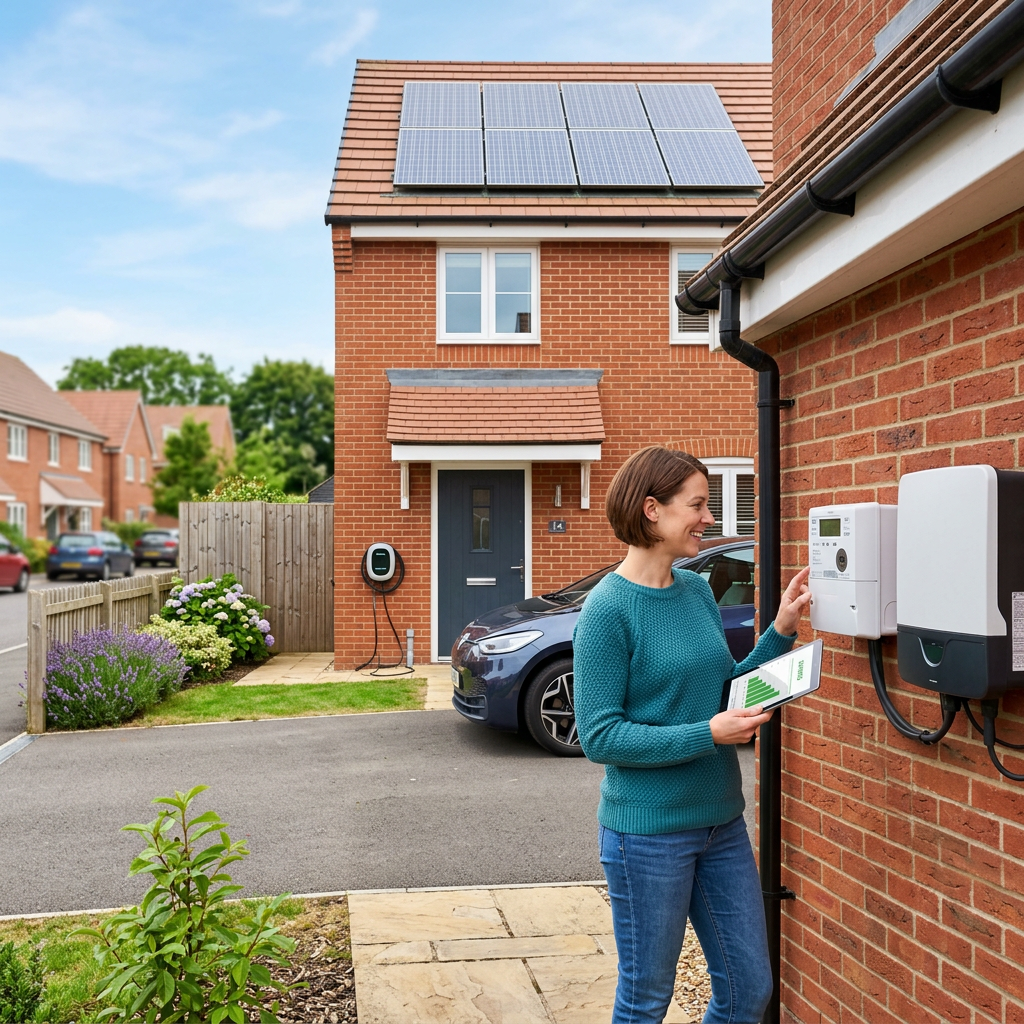
How to Switch Your Home to Renewable Energy in the UK: Options, Costs and Grants (2026 Guide)
Thinking about going green at home in 2026? Whether you want an easy win by switching to a 100% renewable electricity tariff or you’re ready to invest in solar panels and a heat pump, this guide explains your options, typical costs, the grants on offer, and the exact steps to switch smoothly and save. We’ll also show you how energy comparison helps you pick the right tariff and supplier with confidence.
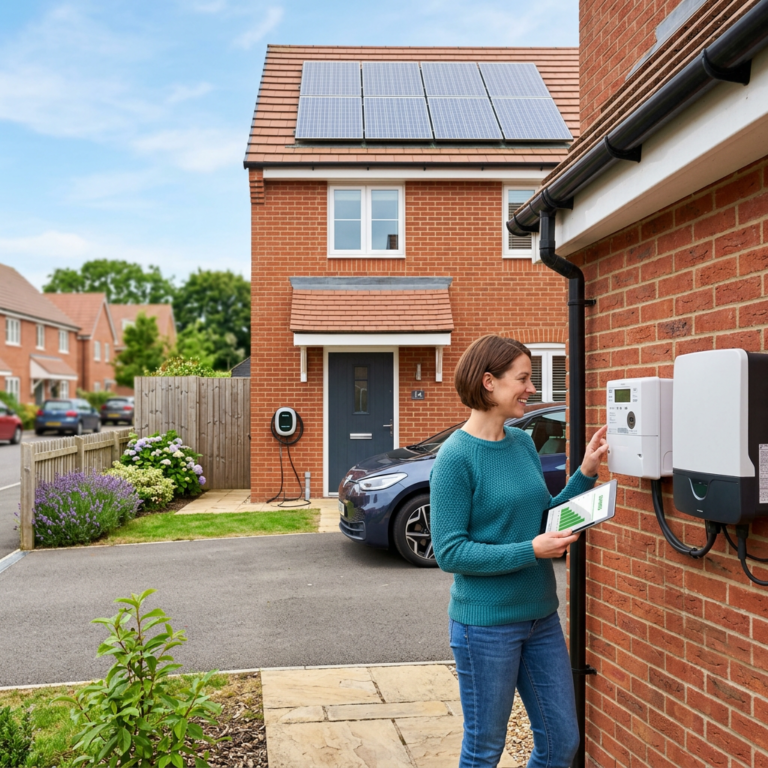
Why switch to renewables in 2026?
- Lower and more stable bills: Renewable tariffs and self-generation can shield you from wholesale volatility. See how the cap can shift each quarter in our guide: Energy Price Cap Explained: How Ofgem Sets It and What It Means for Your UK Energy Bills.
- Cut your carbon footprint: Home renewables and efficiency upgrades slash emissions. For motivation and practical steps, read The Power of Energy Savings: Minimising Your Carbon Footprint for a Greener Future.
- Future-proof your property: Buyers increasingly value EPC ratings, low running costs and EV-ready homes.
- Grants and 0% VAT: Heat pump grants, insulation schemes and VAT relief on many energy-saving materials can reduce upfront costs.
The two main routes to renewable energy at home
1) Switch to a 100% renewable or “green” electricity tariff
This is the fastest way to decarbonise your electricity without any kit at home. Suppliers match your usage with renewable generation via REGOs (Renewable Energy Guarantees of Origin) or invest directly in green power. When comparing:
- Check the tariff type: Fixed vs variable. If you like price certainty, consider a fix (learn more in The Benefits of Fixing Your Energy Rates: A Guide for Homeowners).
- Look for transparency: Some suppliers generate their own renewable power or publish detailed fuel mixes.
- Consider time-of-use and EV tariffs: Cheaper overnight rates can cut costs if you can shift usage.
Switching is simple: no engineer visit, no supply interruption, and usually completed within about five working days under the Energy Switch Guarantee (where applicable).
2) Generate your own clean energy
If you have a suitable roof or outdoor space, self-generation can reduce bills for decades. Popular options include solar PV, heat pumps and (in some cases) biomass. You can still choose a green tariff for any top-up electricity you need.
Your renewable options and typical costs (2026)
Solar PV (electricity)
- What it is: Panels that convert sunlight into electricity.
- Typical system size: 3–5 kWp for a typical UK semi.
- Indicative cost: £5,000–£8,000 for ~4 kWp; more with a battery.
- Savings and income: Cut grid use by 30–60% depending on usage and orientation. Get paid for exports via the Smart Export Guarantee (SEG) – rates vary by supplier.
- Good to know: Add a 5–10 kWh battery (£3,000–£7,000) to store daytime solar for evenings and to use cheap off-peak tariffs.
Air-source heat pump (ASHP)
- What it is: Efficient electric heating that extracts heat from the air.
- Indicative cost: £7,000–£14,000 installed (home-dependent).
- Running costs: Best in well-insulated homes with correctly sized radiators or underfloor heating. Works well with time-of-use tariffs and solar PV.
- Suitability: Most UK homes are compatible; a heat loss survey and EPC review are essential.
Ground-source heat pump (GSHP)
- What it is: Uses buried loops or boreholes for higher efficiency.
- Indicative cost: £18,000–£30,000+, depending on groundworks.
- Best for: Larger plots or renovations where you can integrate ground loops.
Solar thermal (hot water)
- What it is: Roof collectors that heat water.
- Indicative cost: £3,000–£5,000.
- Note: Best for homes with high hot water use; pairs with hot water cylinders.
Biomass boilers and stoves
- What it is: Burns wood pellets/logs to provide heating and hot water.
- Indicative cost: £9,000–£20,000+ depending on system and storage.
- Considerations: Fuel storage, deliveries and local air quality rules; more common off the gas grid.
Small wind turbines
- What it is: Domestic turbines generating electricity from wind.
- Reality check: Often not viable in urban/suburban settings due to turbulence and planning; best on exposed rural sites with high average winds.
Smart controls, batteries and EV charging
- Home batteries: Maximise self-consumption of solar and soak up cheap off-peak electricity.
- Smart thermostats and heat pump controls: Optimise comfort and efficiency.
- EV + solar synergy: Charge when it’s sunny or on low overnight rates to slash motoring costs.
Grants, incentives and tax relief to know in 2026
- Boiler Upgrade Scheme (BUS) – England & Wales: Grants typically up to £7,500 for air-source and ground-source heat pumps (biomass may be eligible in limited off-gas, rural cases). You’ll need an MCS installer and a suitable EPC (often with no outstanding loft/cavity recommendations unless exempt). Apply via your installer before work begins.
- Home Energy Scotland grants and loans: Heat pump grants and interest-free loans for technologies like solar PV and batteries; additional support via Warmer Homes Scotland for eligible households.
- Wales (Nest): The Nest scheme can fund or subsidise insulation and heating upgrades for eligible low‑income or vulnerable households.
- ECO4 and Great British Insulation Scheme (GBIS): Supplier‑funded insulation and heating measures for eligible homes. These schemes prioritise low-income households and hard‑to‑heat properties and are running through 2026.
- Smart Export Guarantee (SEG): Paid per kWh you export from solar/battery to the grid. Requires an MCS certificate and a smart meter; rates vary by supplier.
- 0% VAT on many energy‑saving materials (Great Britain): Certain measures such as solar PV and heat pumps may qualify for zero VAT. Check current HMRC guidance and your installer’s invoice.
- Local authority and community funding: Some councils offer top‑up grants or interest‑free loans—ask your local authority and check regional energy hubs.
Tip: Grant rules can change—always confirm eligibility, amounts and timing with your installer and scheme administrators before you sign a contract.
How to plan and switch: step-by-step
- Audit your home and bills: Gather 12 months of kWh usage, check your EPC, and identify insulation gaps. For quick savings while you plan, see 10 Effective Ways to Slash Your Energy Bills This Winter.
- Decide your pathway: Start now with a green tariff, or combine that with on-site generation for deeper savings.
- Compare renewable tariffs and suppliers: Use Cheap Energy Deals to weigh fixed vs variable, time-of-use, exit fees and export rates. For local options, read Uncover the Best Local Energy Deals in Your Area: A Step-by-Step Guide.
- Get multiple quotes (for kit): Use MCS-certified installers. Ask for heat loss calculations (for heat pumps), expected generation (for solar), and a clear performance and warranty summary.
- Check permissions: Your installer should handle DNO approval for solar/wind. Most solar is permitted development; conservation areas and listed buildings may need planning. Biomass stores and external units may need consent.
- Secure grants before installation: BUS and local schemes generally require approval prior to starting work. Confirm who applies (usually the installer) and the payment schedule.
- Install, commission and set up smart metering: You’ll need a smart meter for export payments. Keep your MCS certificate, warranties and handover pack together.
- Optimise and maintain: Use smart schedules, radiator balancing, weather compensation and tariff automation. Review your tariff and export deal annually to keep savings sharp.
Costs, returns and payback: what to expect
- Solar PV: Payback commonly 6–12 years, faster with a battery and high daytime use. Export rates and your usage pattern make a big difference.
- Heat pumps: Running costs depend on insulation, flow temperature and tariff choice. Well‑designed systems can undercut old oil/LPG and compete with gas—especially on time‑of‑use tariffs or when paired with solar.
- Insulation first: Improving loft, cavity/solid walls and draught‑proofing can halve heat demand and shrink the size (and cost) of a heat pump.
Remember: energy prices and export rates change. Keep an eye on Ofgem updates and consider whether a fixed or variable tariff suits you—our guide on fixes can help you judge timing and risk.
Common pitfalls to avoid
- Going too small or too big: Right-sizing panels and heat pumps matters. Insist on calculations, not rules of thumb.
- Skipping fabric upgrades: Poor insulation undermines comfort and payback.
- Missing grant deadlines: Don’t start works until funding is confirmed.
- Not reading export T&Cs: SEG rates vary widely and may require you to be a supply customer—shop around.
Ready to act?
Switching to renewables can be as simple as changing to a green tariff or as transformative as installing solar and a heat pump. Either way, comparison is your superpower. Use Cheap Energy Deals to find a competitive green tariff, explore time‑of‑use and export options, and keep your bills in check while you decarbonise.
Compare energy deals now at Cheap Energy Deals and start your switch to clean, affordable power today.