
Most people assume energy bills drop naturally in summer. And while heating costs fall, electricity usage often rises — fans, air conditioning, more time at home for families, and longer evening usage can keep bills stubbornly high. Here is how to take control of your summer energy spend.
Switch Off Standby Across the House
UK households waste an estimated £147/year on standby power alone. Summer is the perfect time to do a full audit — TVs, games consoles, phone chargers, smart speakers, and set-top boxes all draw power even when not in use. Smart plugs with schedules cost £10-£15 each and can automate this without any daily effort. If you want to compare cheap energy deals, it only takes a few minutes.
Use Cold Washes and Delay Start on Appliances
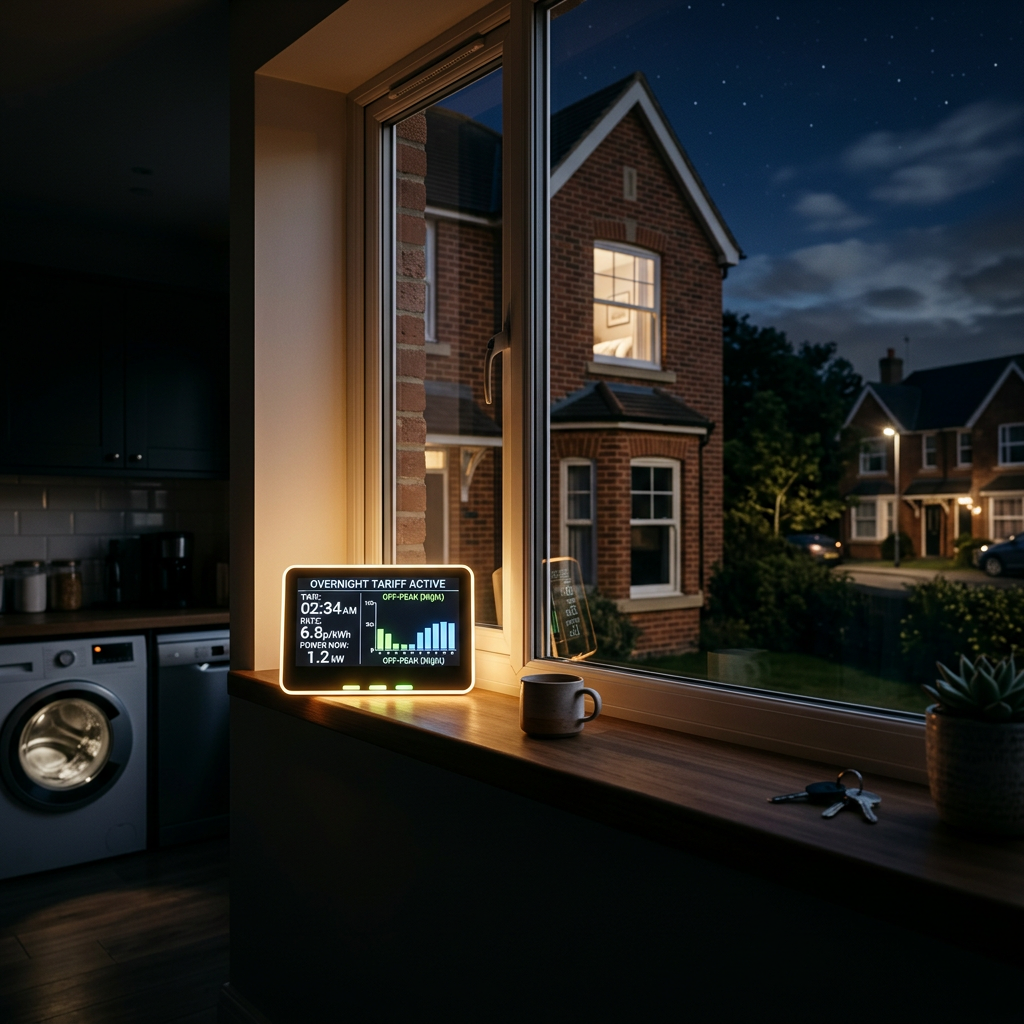
Washing machines account for around 6% of a typical household’s electricity bill. Switching from 40°C to 30°C washes cuts the energy used per cycle by roughly 40%. Using your machine’s delay-start function to run overnight (if you are on Economy 7 or a time-of-use tariff) can cut costs further by using cheaper off-peak electricity. Dishwashers on eco mode use significantly less energy than full-heat cycles.
Keep Fridges and Freezers Running Efficiently
Your fridge and freezer run 24/7 — making them among the biggest contributors to your electricity bill. In summer, keep them away from direct sunlight and cooker heat. Leave 10cm of clearance behind for ventilation. Defrost freezers when ice builds up beyond 5mm — ice acts as insulation and forces the motor to work harder. A well-maintained freezer uses 10-25% less electricity than a poorly maintained one. You can also find cheaper energy to see what’s available.
Block Heat, Not Just Cold
In summer the challenge reverses — keeping heat out rather than in. Closing blinds and curtains on south and west-facing windows during peak afternoon sun can reduce indoor temperatures by 3-5°C, reducing reliance on electric fans or portable cooling units which cost 5-10p/hour to run. Reflective window film (£15-£40 for a window) blocks up to 80% of solar heat gain.
Review Your Tariff Before the July Cap Change
Ofgem announces the Q3 2026 cap in late May. If a rate rise is forecast, fixing now could lock in a saving before it takes effect. Even a 3% rise on the current cap adds £55/year to a typical bill. Spending 10 minutes comparing tariffs now is one of the highest-value actions you can take. Compare energy deals today and see how much you could save.