
Heat pumps have been generating a lot of buzz — and a fair bit of scepticism — in UK homes over the past couple of years. With government grants available and energy bills still a major concern, the question of whether they’re actually worth the investment is one more and more homeowners are asking. Here’s the honest answer.
What Is a Heat Pump and How Does It Work?
A heat pump extracts heat from the outside air (or ground) and uses it to heat your home and hot water. Unlike a gas boiler which burns fuel to create heat, a heat pump moves existing heat — which makes it significantly more efficient. For every unit of electricity it uses, a well-installed heat pump typically produces 2.5 to 4 units of heat.
The most common type in the UK is an air source heat pump (ASHP), which sits outside your home much like an air conditioning unit. Ground source heat pumps are more efficient but require significant garden space and higher installation costs.
The Upfront Costs
This is where many homeowners pause. A typical air source heat pump installation costs between £8,000 and £15,000 including labour. The government’s Boiler Upgrade Scheme currently offers a £7,500 grant, which significantly reduces the net cost — but you still need to fund the remainder upfront.
Importantly, heat pumps work best in well-insulated homes. If your property has poor insulation, draughty windows, or an older radiator system, you may need to invest in upgrades before or alongside the heat pump — adding further to the initial outlay.
Running Costs vs Gas Boilers
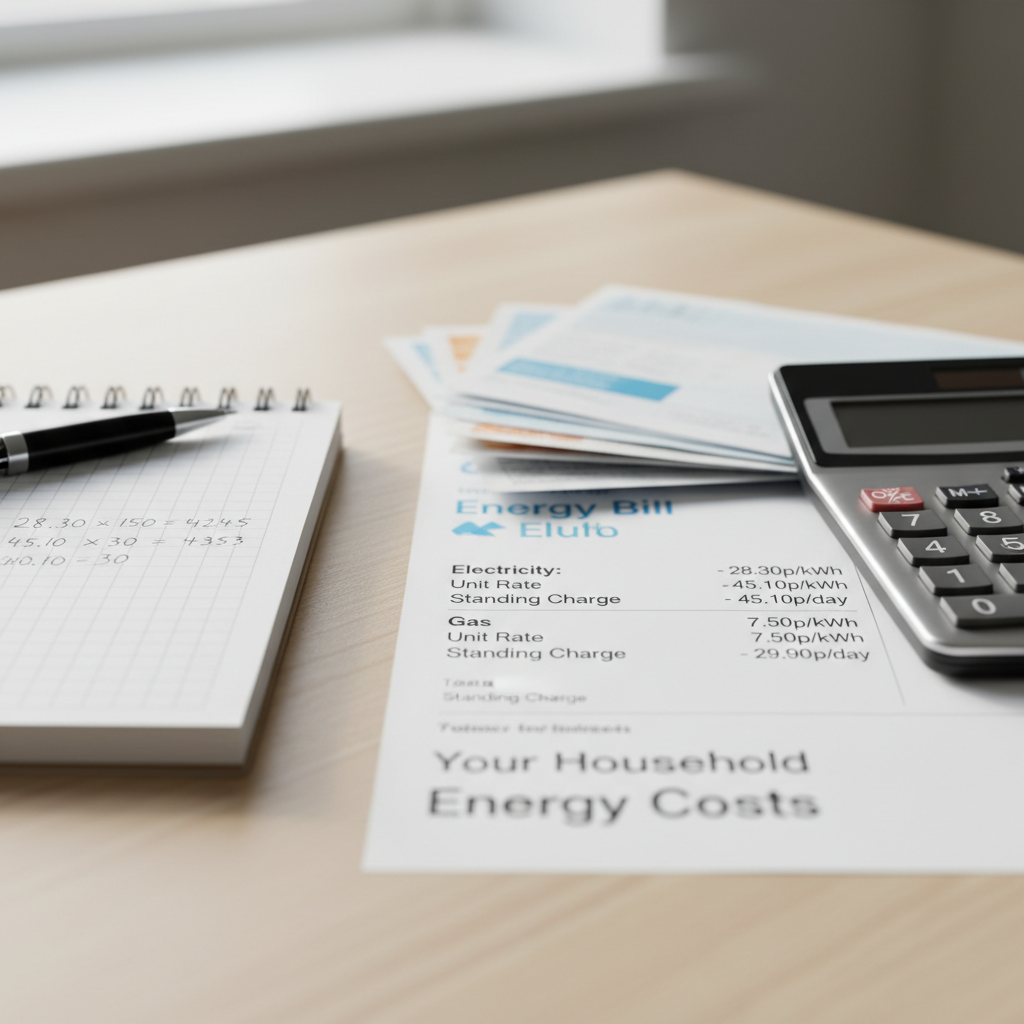
Here’s where it gets nuanced. Electricity costs more per unit than gas in the UK. So even though a heat pump is 3–4x more efficient than a boiler, if electricity is 3–4x more expensive, the running costs can end up similar — or even higher for some households.
The equation improves significantly if you have solar panels (generating your own cheap electricity), if you’re on a time-of-use tariff, or if you’re currently on expensive oil or LPG rather than mains gas.
Who Benefits Most
- Homes currently on oil or LPG — the savings versus these fuels are significant
- Well-insulated properties with underfloor heating or large radiators
- New builds designed around low-temperature heating systems
- Households with solar panels who can offset running costs
If you’re in a Victorian terrace on mains gas with standard radiators, a heat pump is a bigger project — and the financial case is less clear-cut without significant additional investment.
The Long-Term Picture
The government is planning to increase gas boiler costs through regulation over coming years, while electricity prices are expected to become more favourable relative to gas as the grid decarbonises. This means the economics of heat pumps are likely to improve over the next decade.
For a 10–15 year view, a heat pump installed today in a suitable home is likely to prove worthwhile. For a 3–5 year payback, the numbers are harder to make work for most households currently on mains gas.
Ready to cut your energy costs? Compare deals today and see how much you could save.
