What Are Energy Monitors and How Do They Work?
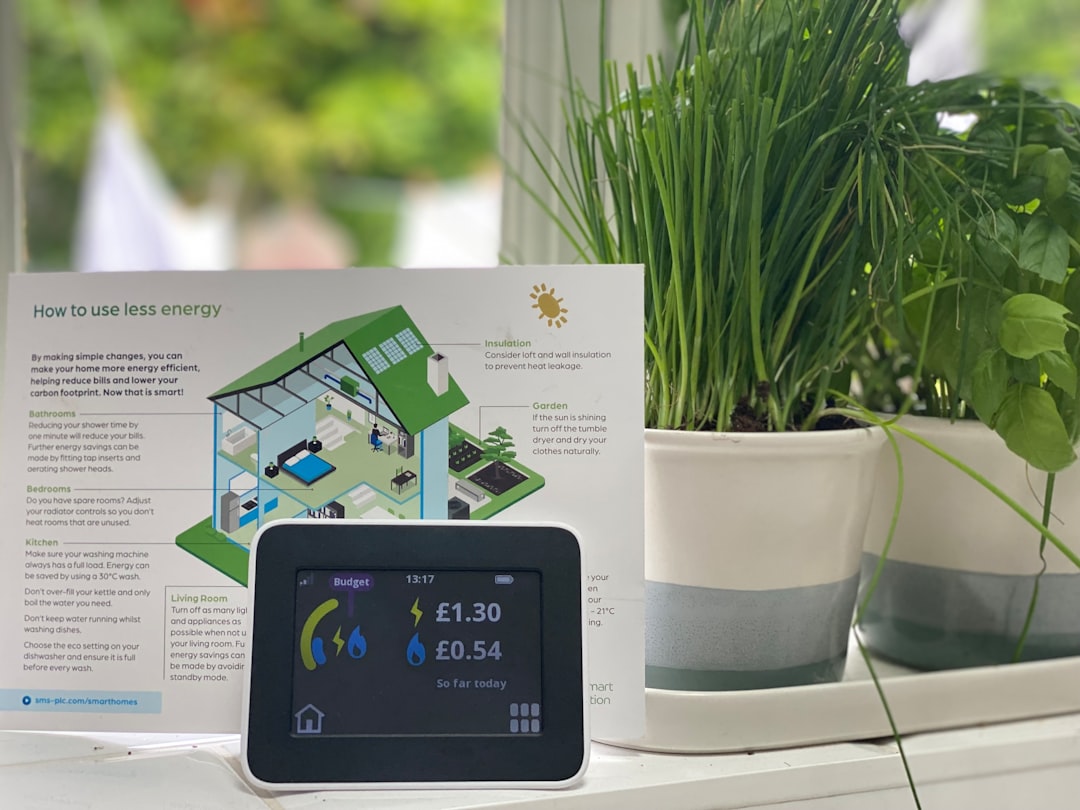
Energy monitors are devices that track your household’s electricity consumption in real-time, displaying how much power you’re using and estimating your costs. In the UK, these devices typically plug into a standard socket and use wireless technology to communicate with a display unit, showing you live data about your energy usage.
There are several types available. Whole-home monitors track your entire property’s consumption, whilst individual plug-in monitors measure specific appliances. Some smart meters provided by suppliers include built-in monitoring functions, offering data directly through an app or in-home display unit.
The technology has improved significantly over recent years, with many now offering detailed breakdowns by appliance and forecasting tools to predict monthly bills.
The Research: Do Energy Monitors Actually Save You Money?
The evidence is encouraging but not miraculous. Studies suggest that households using energy monitors typically reduce consumption by 5-15%, depending on how actively they engage with the data. A study by the University of Cambridge found that visible feedback on energy use prompted behavioural changes leading to measurable savings.
However, the savings aren’t automatic. Simply owning a monitor won’t magically reduce your bills—you need to act on the information it provides. Many people install monitors with good intentions, then ignore them after a few weeks, resulting in zero savings.
The most significant savings occur when households take concrete actions based on monitor data, such as adjusting heating schedules, replacing inefficient appliances, or changing daily habits like reducing kettle usage or running full washing machine loads.
Real-World Savings You Can Expect
Most UK households spend £1,500-£2,000 annually on energy bills. A 10% reduction through monitor-driven behaviour changes could save £150-£200 yearly. For some households, particularly those with higher consumption, savings could reach £300 or more.
Your actual savings depend on several factors: your current usage patterns, the size of your home, how many people live there, and critically, your willingness to change habits. A family of five in a large detached house might save more in absolute terms than a couple in a flat, though percentage-wise, it could be similar.
It’s worth comparing these potential savings against the monitor’s cost (typically £50-£250) and any associated subscription fees. Most devices pay for themselves within 2-3 years, making them a reasonable investment.
How to Maximise Savings with an Energy Monitor
To get genuine value from an energy monitor, follow these practical steps:
- Check it daily initially: Spend time understanding your baseline consumption and identifying peak usage times. Most people use more energy between 5-9 PM.
- Identify energy vampires: Use individual plug monitors to identify which appliances consume the most power. Older fridges, tumble dryers, and electric heaters are common culprits.
- Adjust your thermostat: Lowering your heating by just 1°C can reduce energy use by around 10%. Use your monitor to see the immediate impact.
- Change behaviour gradually: Instead of trying everything at once, implement changes sequentially and measure the results.
- Share data with household members: Make everyone aware of consumption patterns. When families understand their usage, they’re more likely to adopt energy-conscious habits.
- Set realistic targets: Rather than aiming for dramatic reductions, target modest 5-10% improvements, which are more achievable and sustainable.
Energy Monitors vs. Smart Meters: What’s the Difference?
Many confusion exists between energy monitors and smart meters. Smart meters are devices installed by your energy supplier (and required under Ofgem regulations for all UK households by 2025) that automatically record consumption and send readings to your supplier. You don’t need to provide manual readings.
Energy monitors are separate devices you purchase independently, offering real-time feedback that smart meters don’t typically provide. Your smart meter’s in-home display unit can function similarly to a standalone monitor, but often less intuitively or with fewer detailed insights.
The advantage of standalone monitors is their superior user interface and real-time alerts. However, if your smart meter includes a detailed in-home display, you might not need an additional purchase.
Potential Drawbacks to Consider
Energy monitors aren’t perfect. Some limitations include:
- Installation challenges: Non-invasive monitors cannot track your total consumption with 100% accuracy in all homes, particularly those with complex electrical systems.
- Subscription fees: Some advanced monitors require monthly subscriptions (typically £3-£10) for full functionality or cloud access.
- Motivation decline: Initial enthusiasm often wanes after a few months, reducing their long-term effectiveness.
- Compatibility issues: Some older homes or properties with certain electrical configurations may experience connectivity problems.
Complementary Energy-Saving Strategies
Energy monitors work best alongside other saving measures. Consider these complementary approaches:
- Regular comparison shopping to ensure you’re on the best tariff (rates change constantly, and many households overpay)
- Insulation improvements to your loft, walls, and pipes
- Upgrading to A-rated appliances when replacements are needed
- Installing a programmable or smart thermostat
- Switching to LED bulbs throughout your home
Are Energy Monitors Worth It?
The answer is: probably yes, but with caveats. Energy monitors provide genuine value if you’re willing to engage with the data and take action. They’re particularly worthwhile if you’re the type of person who responds to visible feedback and enjoys understanding how things work.
They’re less valuable if you’ve already optimised your energy use, live in a small property with minimal consumption, or lack motivation for behaviour change.
For most UK households, investing £70-£150 in a reliable energy monitor represents reasonable value, especially when combined with switching to a better energy tariff—which often yields more immediate savings than behaviour change alone.
Take Action Today
Don’t let another month of inflated energy bills pass. Consider installing an energy monitor as part of a comprehensive energy-saving strategy. Combine this with checking whether you’re on the best tariff available—many households could save £200+ simply by switching suppliers. Start tracking your consumption today, identify your biggest energy drains, and take control of your bills. Your wallet will thank you.