
Why Energy Efficiency Matters More Than Ever
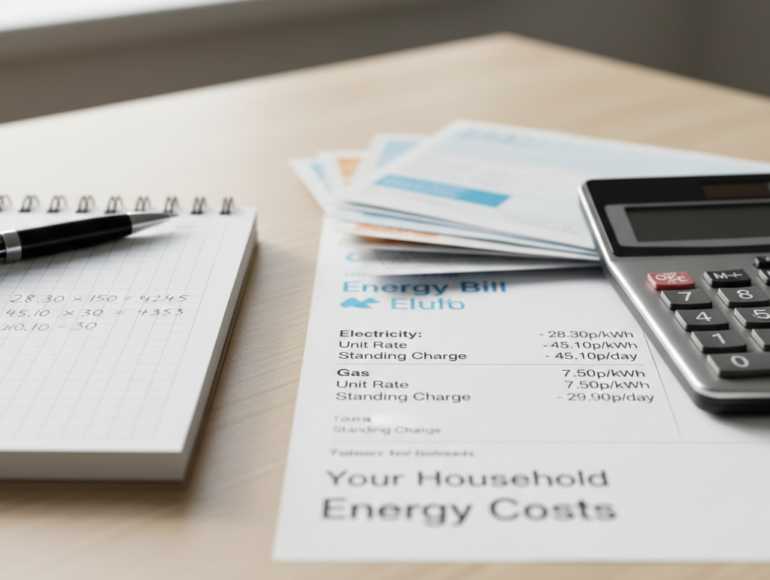
With energy prices remaining stubbornly high across the UK, many households are struggling with their bills. According to Ofgem’s latest price cap figures, the average household is paying significantly more than just a few years ago. The good news? You don’t need to spend thousands on expensive renovations to see meaningful savings on your energy bills. By making smart, budget-friendly improvements, you can reduce your energy consumption and keep more money in your pocket.
Energy efficiency isn’t just about saving money either. Making your home more efficient also reduces your carbon footprint and contributes to a more sustainable future. Let’s explore practical ways to improve your home’s energy efficiency without requiring a major investment.
Start with a Home Energy Audit
Before spending any money, it’s worth understanding where your home is losing energy. Many local councils in the UK offer free or subsidised home energy audits, which can identify the main problem areas in your property. You might also consider using a thermal imaging survey, though these can be pricey.
In the meantime, do your own basic audit. Walk around your home and look for drafts around windows and doors, check if your loft hatch is properly sealed, and feel whether cold air is coming through any gaps. This costs you nothing but could reveal quick wins that’ll save you hundreds of pounds annually.
Seal Drafts and Air Leaks
Draughts are one of the biggest energy culprits in UK homes, particularly in older properties. Sealing gaps around doors and windows is one of the cheapest energy-saving measures you can take.
- Door seals: Draught excluders and door sweeps cost just £5-£20 and can make an immediate difference. Even simple ones work surprisingly well.
- Window seals: Weatherstripping tape is inexpensive and easy to apply around window frames. A roll costs around £3-£8.
- Loft hatches: A poorly sealed loft hatch wastes enormous amounts of heat. Draught-proofing tape costs very little and takes minutes to apply.
- Pipe penetrations: Use expanding foam or silicone sealant to block gaps where pipes enter your home. These are usually available for under £10.
These simple measures might seem minor individually, but combined they can reduce your heating bills by 10-15%.
Improve Your Loft Insulation
A poorly insulated loft is like leaving money to float away into the sky. Heat rises, and without proper insulation, about 25% of your home’s heat escapes through the roof. The good news is that loft insulation is affordable and provides excellent returns on investment.
Current UK building regulations recommend at least 270mm of insulation in your loft. Many older homes have far less. Bulk insulation materials like mineral wool, cellulose, or sheep’s wool are relatively inexpensive, typically costing £3-£5 per square metre. You can often install it yourself if you’re reasonably handy, though professional installation might be worthwhile for safety and ensuring proper coverage.
The Energy Saving Trust estimates that proper loft insulation can save you around £125-£200 per year on heating costs.
Use Budget-Friendly Window Treatments
Windows are major sources of heat loss, especially single-glazed ones. While replacing all your windows with double glazing is expensive, there are cheaper alternatives that still make a difference.
- Heavy curtains: Thermal or lined curtains cost £20-£50 per window and can reduce heat loss significantly. Close them at night to trap warmth inside.
- Bubble wrap: Yes, really. Applying bubble wrap to windows creates an insulating air layer. It’s cheap (under £10 for a large roll) and surprisingly effective, though not the most aesthetically pleasing option.
- Window film: Insulating window film costs £10-£20 per window and can reduce heat loss by up to 55%.
Switch to LED Lighting
If you haven’t already replaced your light bulbs with LEDs, this is a quick win. LED bulbs use about 80% less electricity than incandescent bulbs and last far longer, reducing replacement costs. A pack of LED bulbs costs around £10-£15 and will pay for itself within months through lower electricity bills.
Make it a habit to switch off lights when leaving rooms, and consider installing motion sensors in less-used areas like hallways or bathrooms.
Bleed Your Radiators and Balance Your Heating
Radiators with air trapped inside won’t heat properly, forcing your boiler to work harder. Bleeding radiators is free and takes just minutes. You’ll need a radiator key (less than £2), and the process is straightforward: open the valve slightly until water flows, then close it again.
If some rooms are warmer than others, you can balance your radiators by partially closing valves on hotter radiators. This forces more hot water to colder rooms and can improve overall efficiency.
Review Your Energy Tariff
No efficiency improvements matter if you’re on an overly expensive energy tariff. The energy market in the UK is competitive, and switching suppliers could save you £100-£300 annually depending on your consumption and region.
Use comparison sites to check what other suppliers are offering. Fixed-rate tariffs can provide peace of mind against price fluctuations. Remember that Ofgem sets the energy price cap, which applies to standard variable tariffs, but you can often find cheaper deals elsewhere.
Install a Programmable Thermostat
If you haven’t already, investing in a programmable thermostat (around £20-£50) is worthwhile. You can set your heating to turn on only when needed, rather than heating your home all day. Modern versions like smart thermostats are pricier but offer greater control via your smartphone.
Even reducing your thermostat by just 1°C can save around £55 per year without significantly affecting comfort.
Make Small Behavioural Changes
Sometimes the cheapest energy savings come from changing habits. Turn off appliances at the wall rather than leaving them on standby. Run full loads in your washing machine and dishwasher. Take shorter showers. Air-dry clothes when possible rather than using a tumble dryer. These cost nothing but can add up to meaningful savings.
Start Saving Today
Improving your home’s energy efficiency doesn’t require spending thousands of pounds. By tackling these budget-friendly improvements, you can significantly reduce your energy bills whilst making your home more comfortable and sustainable. Start with the cheapest measures like draught-proofing and sealing gaps, then progress to slightly larger investments like loft insulation as your budget allows.
Why not start this week? Pick one or two improvements from this list and get started. Your future self and your bank account will thank you. If you’re paying too much for energy, don’t forget to compare tariffs and suppliers on comparison websites to ensure you’re getting the best deal possible.