In recent years, there has been a significant rise in the popularity of gas and electricity bundles. These bundles offer consumers the convenience of having both their gas and electricity services provided by the same supplier, often at a discounted rate. This trend has been driven by a number of factors, including the increasing competition in the energy market, the desire for cost savings, and the growing awareness of the importance of energy efficiency and sustainability. As a result, many consumers are now opting for bundled energy services as a way to simplify their energy management and reduce their carbon footprint.

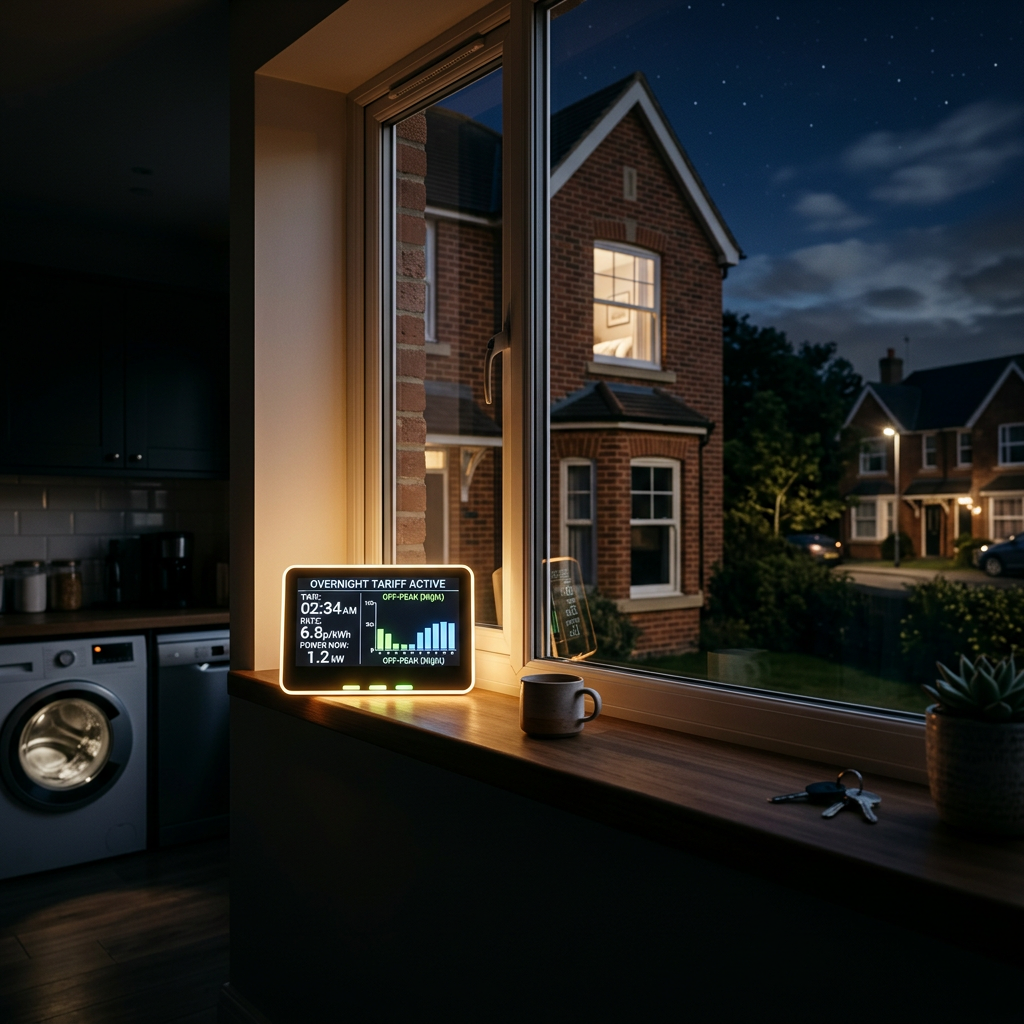
The rise of gas and electricity bundles has also been facilitated by advancements in technology, which have made it easier for suppliers to offer these services to consumers. With the advent of smart meters and other energy management tools, suppliers are now able to provide more accurate and personalised energy usage data to their customers, allowing them to tailor their services to meet their specific needs. This has made it easier for consumers to switch to bundled energy services, as they can now easily compare different suppliers and find the best deal for their individual circumstances.

Cost Savings and Convenience

One of the main reasons why consumers are increasingly opting for gas and electricity bundles is the potential for cost savings. By combining their gas and electricity services with the same supplier, consumers can often benefit from discounted rates and special offers that are not available to those who purchase their energy services separately. This can result in significant savings on their energy bills, which is particularly appealing at a time when many households are feeling the pinch of rising energy costs.

In addition to cost savings, gas and electricity bundles also offer consumers the convenience of having all of their energy services provided by a single supplier. This means that they only have to deal with one company for all of their energy needs, making it easier to manage their accounts and keep track of their usage. This can be particularly beneficial for busy households and businesses, who may not have the time or resources to deal with multiple energy suppliers. By consolidating their energy services with one supplier, consumers can streamline their energy management and reduce the hassle of dealing with multiple bills and customer service departments.

Streamlined Billing and Customer Service

Another key benefit of gas and electricity bundles is the streamlined billing and customer service that they offer. By consolidating their gas and electricity services with one supplier, consumers can benefit from a single, easy-to-understand bill that covers all of their energy usage. This can make it easier for consumers to keep track of their energy costs and budget effectively, as they only have to deal with one bill each month.

In addition to simplified billing, gas and electricity bundles also offer consumers access to streamlined customer service. With all of their energy services provided by one supplier, consumers can benefit from a single point of contact for any queries or issues that may arise. This can make it easier for consumers to get the support they need, as they only have to deal with one customer service department rather than multiple suppliers. This can be particularly beneficial for busy households and businesses, who may not have the time or resources to deal with multiple customer service departments.

Energy Efficiency and Sustainability

Gas and electricity bundles also offer consumers the opportunity to improve their energy efficiency and reduce their carbon footprint. Many suppliers now offer bundled energy services that include access to energy management tools, such as smart meters and online usage tracking, which can help consumers to monitor and reduce their energy usage. This can not only result in cost savings for consumers, but also help to reduce the environmental impact of their energy consumption.

In addition to energy efficiency, gas and electricity bundles also offer consumers the opportunity to support sustainability initiatives. Many suppliers now offer bundled energy services that include access to renewable energy sources, such as wind or solar power, which can help consumers to reduce their reliance on fossil fuels and support the transition to a more sustainable energy system. By opting for bundled energy services that include access to renewable energy sources, consumers can play a part in reducing their carbon footprint and supporting the shift towards a more sustainable energy future.

The Future of Energy Management

Looking ahead, it is clear that gas and electricity bundles will continue to play a key role in the future of energy management. As technology continues to advance, suppliers will be able to offer more personalised and innovative bundled energy services to consumers, helping them to manage their energy usage more effectively and reduce their environmental impact. This will not only benefit consumers in terms of cost savings and convenience, but also help to drive the transition towards a more sustainable energy system.

In addition to technological advancements, the future of energy management will also be shaped by changing consumer attitudes towards sustainability and environmental responsibility. As more consumers become aware of the importance of reducing their carbon footprint, there will be an increasing demand for bundled energy services that offer access to renewable energy sources and support sustainability initiatives. This will drive suppliers to offer more sustainable bundled energy services, helping consumers to play a part in reducing their environmental impact and supporting the transition towards a more sustainable energy future.

How to Choose the Right Gas and Electricity Bundle

When it comes to choosing the right gas and electricity bundle, there are a number of factors that consumers should consider. Firstly, it is important to compare different suppliers and their bundled energy services in order to find the best deal for individual circumstances. This may involve comparing prices, special offers, and the level of customer service offered by different suppliers in order to find the most suitable option.

In addition to price and customer service, consumers should also consider the level of flexibility offered by different bundled energy services. Some suppliers may offer fixed-term contracts or variable tariffs, while others may offer more flexible options that allow consumers to switch between different tariffs or payment plans. By considering the level of flexibility offered by different suppliers, consumers can find a bundled energy service that meets their individual needs and preferences.

The Benefits for Homeowners and Businesses

The benefits of gas and electricity bundles are not limited to homeowners – businesses can also benefit from these bundled services. For businesses, gas and electricity bundles offer the same cost savings, convenience, streamlined billing, customer service benefits as they do for homeowners. In addition, businesses can also benefit from tailored energy management solutions that can help them reduce their energy usage and improve their sustainability credentials.

Furthermore, businesses can also benefit from bundled energy services that offer access to renewable energy sources, helping them to reduce their carbon footprint and support sustainability initiatives. This can not only help businesses to reduce their environmental impact but also improve their reputation among environmentally conscious consumers. By opting for bundled energy services that include access to renewable energy sources, businesses can demonstrate their commitment to sustainability and play a part in driving the transition towards a more sustainable energy future.

In conclusion, gas and electricity bundles offer a range of benefits for both homeowners and businesses. From cost savings and convenience to streamlined billing and customer service, these bundled services provide a range of advantages that make them an attractive option for many consumers. In addition, bundled energy services also offer opportunities for improved energy efficiency and sustainability, helping consumers to reduce their environmental impact and support the transition towards a more sustainable energy future. As technology continues to advance and consumer attitudes towards sustainability evolve, it is clear that gas and electricity bundles will continue to play a key role in the future of energy management. By choosing the right bundled energy service for individual needs and preferences, consumers can benefit from these advantages while playing a part in driving the transition towards a more sustainable energy system.

Energy efficiency in home appliances is of paramount importance in today’s world. With the increasing demand for energy and the depletion of natural resources, it has become imperative to focus on reducing energy consumption. Home appliances account for a significant portion of energy usage in households, and by making these appliances more energy-efficient, we can significantly reduce our carbon footprint and contribute to a more sustainable future. Energy-efficient home appliances not only help in conserving energy but also lead to cost savings for consumers. By using less energy, these appliances can help reduce electricity bills, making them a more economical choice for homeowners. Additionally, energy-efficient appliances also have a positive impact on the environment by reducing greenhouse gas emissions and other pollutants. Therefore, it is crucial for consumers to consider the energy efficiency of home appliances when making purchasing decisions.

Energy efficiency in home appliances has become a key consideration for consumers, as they look for ways to reduce their environmental impact and save on energy costs. With the advancement of technology, manufacturers have been able to develop home appliances that are not only more energy-efficient but also offer improved performance and functionality. This has led to a shift in consumer preferences towards energy-efficient appliances, as they seek to make more sustainable choices for their homes. As a result, the demand for energy-efficient home appliances has been on the rise, prompting manufacturers to invest in research and development to further improve the energy efficiency of their products. With the increasing awareness of the importance of energy efficiency, consumers are now more inclined to invest in appliances that are not only technologically advanced but also environmentally friendly. This shift towards energy-efficient home appliances is a positive step towards creating a more sustainable future for generations to come.

Advancements in Energy-Efficient Technology

The advancements in energy-efficient technology have revolutionised the home appliance industry, leading to the development of innovative products that are not only more environmentally friendly but also offer improved performance and functionality. One of the key advancements in energy-efficient technology is the use of smart technology in home appliances. Smart appliances are equipped with sensors and connectivity features that allow them to optimise their energy usage based on usage patterns and environmental conditions. This not only helps in reducing energy consumption but also provides consumers with greater control and convenience. Additionally, advancements in insulation and cooling technologies have led to the development of refrigerators and air conditioners that are more energy-efficient and environmentally friendly. These advancements have not only helped in reducing energy consumption but also in improving the overall performance and longevity of these appliances.

Another significant advancement in energy-efficient technology is the use of renewable energy sources to power home appliances. With the increasing focus on sustainability, manufacturers have been exploring alternative energy sources such as solar and wind power to reduce the reliance on traditional electricity grids. This has led to the development of solar-powered water heaters, ovens, and other home appliances that are not only more energy-efficient but also harness the power of renewable energy. These advancements have not only helped in reducing the environmental impact of home appliances but also in providing consumers with more sustainable options for their homes. As technology continues to evolve, we can expect to see further advancements in energy-efficient technology that will continue to drive the development of more sustainable and environmentally friendly home appliances.

Government Initiatives and Regulations for Energy-Efficient Appliances

Governments around the world have recognised the importance of promoting energy efficiency in home appliances and have implemented various initiatives and regulations to encourage manufacturers and consumers to adopt more sustainable practices. One of the key initiatives is the introduction of energy efficiency labels and standards for home appliances. These labels provide consumers with information about the energy consumption and efficiency of appliances, allowing them to make more informed purchasing decisions. Additionally, governments have also introduced regulations that require manufacturers to meet certain energy efficiency standards for their products. This has led to the development of more energy-efficient home appliances that not only help in reducing energy consumption but also in providing consumers with more sustainable options for their homes.

In addition to energy efficiency labels and standards, governments have also introduced financial incentives and rebates to encourage consumers to invest in energy-efficient home appliances. These incentives can include tax credits, rebates, or subsidies for purchasing energy-efficient appliances, making them a more attractive option for consumers. By providing financial incentives, governments aim to promote the adoption of energy-efficient technology and reduce the overall energy consumption in households. Furthermore, governments have also been investing in research and development to drive innovation in energy-efficient technology and support the transition towards a more sustainable future. These initiatives and regulations play a crucial role in promoting energy efficiency in home appliances and are essential for creating a more sustainable and environmentally friendly society.

The Benefits of Energy-Efficient Home Appliances for Consumers

Energy-efficient home appliances offer a wide range of benefits for consumers, making them a more attractive option for modern households. One of the key benefits is cost savings on electricity bills. Energy-efficient appliances consume less energy, leading to lower electricity bills for homeowners. This can result in significant cost savings over time, making it a more economical choice for consumers. Additionally, energy-efficient appliances also offer improved performance and functionality, providing consumers with better value for their money. These appliances are designed to be more efficient and reliable, leading to reduced maintenance costs and longer lifespans. This can help consumers save money on repairs and replacements, making energy-efficient appliances a more cost-effective choice in the long run.

Another benefit of energy-efficient home appliances is their positive impact on the environment. By consuming less energy, these appliances help reduce greenhouse gas emissions and other pollutants, leading to a cleaner and healthier environment. This can contribute to a more sustainable future for generations to come, making it a more responsible choice for consumers. Additionally, energy-efficient appliances also offer greater convenience and control for homeowners. With smart technology and connectivity features, these appliances allow consumers to monitor and manage their energy usage, providing them with greater flexibility and peace of mind. Overall, the benefits of energy-efficient home appliances make them a more attractive option for consumers who are looking to make more sustainable choices for their homes.

The Role of Manufacturers in Promoting Energy Efficiency

Manufacturers play a crucial role in promoting energy efficiency in home appliances by investing in research and development to develop innovative products that are not only more energy-efficient but also offer improved performance and functionality. With the increasing demand for sustainable solutions, manufacturers have been focusing on developing home appliances that are designed to consume less energy without compromising on performance. This has led to the development of refrigerators, washing machines, dishwashers, and other home appliances that are not only more energy-efficient but also offer advanced features and functionalities. By investing in research and development, manufacturers are driving innovation in energy-efficient technology and leading the transition towards a more sustainable future.

In addition to research and development, manufacturers also play a key role in promoting energy efficiency through marketing and consumer education. By highlighting the benefits of energy-efficient home appliances, manufacturers can raise awareness among consumers about the importance of making sustainable choices for their homes. This can help drive consumer preferences towards energy-efficient appliances and encourage them to make more informed purchasing decisions. Furthermore, manufacturers can also collaborate with governments and industry stakeholders to develop industry standards and best practices for promoting energy efficiency in home appliances. By working together, manufacturers can help create a more sustainable and environmentally friendly market for home appliances, driving positive change for both consumers and the planet.

Consumer Education and Awareness on Energy-Efficient Appliances

Consumer education and awareness play a crucial role in promoting the adoption of energy-efficient home appliances. By providing consumers with information about the benefits of energy efficiency and how they can make more sustainable choices for their homes, we can drive positive change towards a more environmentally friendly society. One way to promote consumer education is through energy efficiency labels and standards that provide consumers with information about the energy consumption and efficiency of appliances. By understanding these labels, consumers can make more informed purchasing decisions and choose appliances that are not only technologically advanced but also environmentally friendly.

Furthermore, manufacturers can play a key role in educating consumers about the benefits of energy-efficient home appliances through marketing and advertising campaigns. By highlighting the cost savings, environmental benefits, and improved performance of these appliances, manufacturers can raise awareness among consumers about the importance of making sustainable choices for their homes. Additionally, consumer education can also be promoted through partnerships with retailers, industry associations, and non-profit organisations that focus on sustainability. By working together, we can create educational programmes and initiatives that provide consumers with the information they need to make more sustainable choices for their homes. Overall, consumer education and awareness are essential for promoting the adoption of energy-efficient home appliances and driving positive change towards a more sustainable future.

The Future of Home Appliances: Innovations and Trends in Energy Efficiency

The future of home appliances is filled with exciting innovations and trends in energy efficiency that will continue to drive positive change towards a more sustainable future. One of the key trends is the integration of smart technology in home appliances, allowing them to optimise their energy usage based on usage patterns and environmental conditions. This not only helps reduce energy consumption but also provides consumers with greater control and convenience. Additionally, we can expect to see further advancements in insulation and cooling technologies that will lead to the development of refrigerators, air conditioners, and other home appliances that are even more energy-efficient and environmentally friendly.

Another trend in the future of home appliances is the use of renewable energy sources such as solar power to power these devices. With the increasing focus on sustainability, we can expect to see more home appliances that are powered by renewable energy sources, reducing reliance on traditional electricity grids. This will lead to the development of solar-powered water heaters, ovens, and other home appliances that are not only more energy-efficient but also harness the power of renewable energy. As technology continues to evolve, we can expect to see further innovations and trends in energy efficiency that will continue to drive positive change towards a more sustainable future for generations to come.

In conclusion, energy efficiency in home appliances is of paramount importance in today’s world as it helps reduce our carbon footprint, conserve natural resources, save on electricity bills, improve performance & functionality while contributing positively towards environmental sustainability & health benefits.
By choosing energy-efficient appliances, we can make a significant impact on the environment and our own well-being. It is essential for individuals and families to consider the long-term benefits of energy efficiency when purchasing new appliances. Making the switch to energy-efficient appliances not only benefits the environment but also saves money in the long run. It is a small change that can make a big difference in creating a more sustainable and healthy future for generations to come.

Understanding your electricity usage is the first step in identifying ways to improve energy efficiency in your home. By monitoring your energy consumption, you can pinpoint areas where you may be using more electricity than necessary. This can be done by reviewing your monthly utility bills and looking for patterns in your usage. You can also invest in a home energy monitor, which can provide real-time data on your electricity usage and help you identify which appliances or devices are consuming the most energy. Additionally, many utility companies offer online tools that allow you to track your energy usage and compare it to similar households in your area.

Another way to understand your electricity usage is to conduct a home energy audit. This involves a thorough inspection of your home to identify areas where energy may be wasted. This can include checking for air leaks, inspecting insulation, and evaluating the efficiency of your heating and cooling systems. By understanding how and where you are using electricity in your home, you can make informed decisions about how to reduce your energy consumption and lower your utility bills.

Identifying Energy Inefficiencies in Your Home

Once you have a better understanding of your electricity usage, you can start to identify energy inefficiencies in your home. One common source of energy inefficiency is air leaks, which can allow warm or cool air to escape from your home, forcing your heating and cooling systems to work harder. You can identify air leaks by conducting a simple visual inspection of windows, doors, and other potential entry points for air. Another common source of energy inefficiency is inadequate insulation, which can result in heat loss during the winter and heat gain during the summer. By inspecting your insulation and addressing any deficiencies, you can improve the energy efficiency of your home.

In addition to air leaks and insulation, outdated or inefficient appliances and lighting can also contribute to energy inefficiency in your home. Old appliances, such as refrigerators, washing machines, and dishwashers, may consume more energy than newer, more efficient models. Similarly, traditional incandescent light bulbs are less energy-efficient than LED or CFL bulbs. By identifying and addressing these sources of energy inefficiency, you can reduce your electricity usage and lower your energy bills.

Implementing Energy-Efficient Appliances and Lighting

One of the most effective ways to improve energy efficiency in your home is to replace outdated or inefficient appliances and lighting with more energy-efficient options. When shopping for new appliances, look for models that have earned the ENERGY STAR label, which indicates that they meet strict energy efficiency guidelines set by the Environmental Protection Agency. ENERGY STAR appliances are designed to use less energy without sacrificing performance, which can help you save money on your electricity bills.

In addition to upgrading your appliances, replacing traditional incandescent light bulbs with LED or CFL bulbs can also help improve energy efficiency in your home. LED and CFL bulbs use significantly less energy than incandescent bulbs and last much longer, making them a cost-effective choice for lighting your home. By implementing energy-efficient appliances and lighting, you can reduce your electricity usage and lower your environmental impact.

Utilising Smart Technology to Monitor and Control Usage

Advancements in smart technology have made it easier than ever to monitor and control your electricity usage. Smart thermostats, for example, allow you to program heating and cooling schedules based on your daily routine, which can help you reduce energy consumption when you are not at home. Some smart thermostats also have features that allow you to monitor your energy usage in real-time and receive alerts when your usage is higher than usual.

Smart plugs and power strips are another useful tool for monitoring and controlling electricity usage. These devices allow you to remotely turn off or schedule the operation of appliances and electronics, helping you reduce standby power consumption. Additionally, some smart plugs and power strips provide insights into your energy usage, allowing you to identify which devices are consuming the most electricity.

Improving Insulation and Sealing Drafts

Improving insulation and sealing drafts are essential steps in making your home more energy-efficient. Inadequate insulation can result in heat loss during the winter and heat gain during the summer, forcing your heating and cooling systems to work harder to maintain a comfortable temperature. By adding or upgrading insulation in key areas of your home, such as the attic, walls, and floors, you can reduce heat transfer and improve the overall energy efficiency of your home.

Sealing drafts is another important aspect of improving energy efficiency in your home. Air leaks around windows, doors, and other entry points can allow warm or cool air to escape from your home, increasing the workload on your heating and cooling systems. By sealing these drafts with weatherstripping or caulking, you can prevent air leaks and reduce the strain on your HVAC system.

Adopting Energy-Saving Habits and Routines

In addition to making physical improvements to your home, adopting energy-saving habits and routines can also help reduce your electricity usage. Simple actions such as turning off lights when they are not in use, unplugging electronics when they are not being used, and using appliances during off-peak hours can all contribute to lower energy consumption. Additionally, adjusting the thermostat by just a few degrees can make a significant difference in your energy usage over time.

Another way to adopt energy-saving habits is to make use of natural light whenever possible. Opening curtains or blinds during the day can reduce the need for artificial lighting, while also providing natural warmth during the winter months. Similarly, using ceiling fans or opening windows for ventilation can help reduce the need for air conditioning during the summer.

Seeking Professional Energy Audits and Advice

For homeowners who are serious about improving their home’s energy efficiency, seeking professional energy audits and advice can be a valuable investment. A professional energy audit involves a comprehensive assessment of your home’s energy usage and efficiency, including a detailed inspection of insulation, heating and cooling systems, appliances, lighting, and more. Based on the findings of the audit, a professional energy auditor can provide recommendations for improving energy efficiency in your home.

In addition to energy audits, many utility companies offer free or discounted home energy assessments that can help you identify areas where you may be wasting energy. These assessments may include recommendations for improving insulation, upgrading appliances, or making other changes to reduce electricity usage.

Overall, understanding your electricity usage, identifying energy inefficiencies in your home, implementing energy-efficient appliances and lighting, utilising smart technology to monitor and control usage, improving insulation and sealing drafts, adopting energy-saving habits and routines, and seeking professional energy audits and advice are all important steps in improving the energy efficiency of your home. By taking these steps, you can reduce your electricity usage, lower your utility bills, and minimise your environmental impact.

In recent years, there has been a significant increase in the popularity of solar power in Britain. This can be attributed to a number of factors, including the growing awareness of the environmental impact of traditional energy sources, as well as the increasing affordability and accessibility of solar technology. As a result, more and more homeowners and businesses are turning to solar power as a clean and sustainable alternative to traditional energy sources. The UK government has also been actively promoting the adoption of solar power, with various incentives and subsidies in place to encourage the installation of solar panels. This has further contributed to the growing popularity of solar power in Britain, as more and more people are recognising the benefits of harnessing the power of the sun to meet their energy needs.

The increasing popularity of solar power in Britain can also be attributed to the advancements in solar technology, which have made it more efficient and cost-effective than ever before. With the development of new and improved solar panels, as well as innovations in energy storage and management, solar power has become a viable and attractive option for many homeowners and businesses. As a result, the demand for solar installations has been steadily increasing, with more and more people recognising the potential of solar power to reduce their energy bills and carbon footprint. With the growing popularity of solar power in Britain, it is clear that solar energy is set to play a significant role in the country’s transition towards a more sustainable and environmentally friendly energy system.

Government Incentives and Subsidies for Solar Power

The UK government has been actively promoting the adoption of solar power through various incentives and subsidies. One of the most significant initiatives is the Feed-in Tariff (FIT) scheme, which provides financial incentives for homeowners and businesses to generate their own renewable energy through solar panels. Under this scheme, participants are paid for the electricity they generate, as well as for any surplus energy they export to the grid. This has made solar power a more attractive investment for many people, as it not only allows them to save money on their energy bills, but also provides them with a source of additional income.

In addition to the FIT scheme, the government also offers various grants and loans to support the installation of solar panels. For example, the Green Homes Grant scheme provides vouchers for homeowners to cover up to two-thirds of the cost of eligible energy efficiency improvements, including solar panels. There are also tax incentives in place to encourage the adoption of solar power, such as reduced VAT rates for energy-saving materials and installations. These government incentives and subsidies have played a crucial role in driving the growth of solar power in Britain, making it more accessible and affordable for homeowners and businesses alike.

Cost Savings and Return on Investment from Solar Power

One of the key benefits of solar power is the potential for significant cost savings and a high return on investment. By generating their own renewable energy, homeowners and businesses can reduce their reliance on traditional energy sources, which can lead to substantial savings on their energy bills. In addition, participants in the FIT scheme can earn money from the electricity they generate and export to the grid, providing them with a source of additional income. As a result, the initial investment in solar panels can often be recouped within a relatively short period of time, making it a financially attractive option for many people.

Furthermore, advancements in solar technology have made it more efficient and cost-effective than ever before, further enhancing the potential for cost savings and return on investment. With improvements in energy storage and management, as well as reductions in the cost of solar panels, the overall cost of installing and maintaining a solar system has decreased significantly. This has made solar power a more viable option for many homeowners and businesses, as they can now enjoy greater financial benefits from harnessing the power of the sun to meet their energy needs.

Environmental Benefits of Solar Power

In addition to the financial benefits, solar power also offers significant environmental advantages. By generating electricity from sunlight rather than fossil fuels, solar panels produce no greenhouse gas emissions or air pollutants, helping to reduce the carbon footprint of homes and businesses. This can contribute to efforts to combat climate change and improve air quality, making solar power an important part of Britain’s transition towards a more sustainable and environmentally friendly energy system.

Furthermore, by reducing reliance on traditional energy sources, solar power can help to conserve natural resources and protect ecosystems. The extraction and burning of fossil fuels can have significant environmental impacts, including habitat destruction, water pollution, and soil degradation. By harnessing the power of the sun to generate electricity, solar panels can help to mitigate these negative effects, contributing to a cleaner and healthier environment for future generations. As a result, the environmental benefits of solar power are an important consideration for many people who are looking to reduce their impact on the planet and contribute to a more sustainable future.

The Potential for Generating Income from Solar Power

In addition to cost savings, solar power also offers the potential for generating income for homeowners and businesses. Participants in the FIT scheme can earn money from the electricity they generate and export to the grid, providing them with a source of additional income on top of their energy bill savings. This can make solar power a financially attractive investment for many people, as it not only allows them to reduce their energy costs, but also provides them with a steady stream of income over the lifetime of their solar panels.

Furthermore, advancements in solar technology have made it easier for homeowners and businesses to maximise their income from solar power. For example, improvements in energy storage and management have made it possible to store excess energy generated during sunny periods for use during times when sunlight is not available. This can help participants in the FIT scheme to maximise their earnings by ensuring that they are able to export as much surplus energy as possible to the grid. As a result, the potential for generating income from solar power is an important consideration for many people who are looking to make a sound financial investment while also contributing to a more sustainable energy system.

The Impact of Solar Power on Property Value

Another important consideration for many homeowners is the impact that solar power can have on property value. Studies have shown that homes with solar panels tend to sell for higher prices than those without, reflecting the added value that solar power can bring to a property. This can make solar panels an attractive investment for homeowners who are looking to increase the resale value of their home while also enjoying cost savings and environmental benefits.

In addition to increasing property value, solar panels can also make a home more attractive to potential buyers. Many people are increasingly looking for homes that are equipped with renewable energy systems, as they offer long-term cost savings and environmental benefits. As a result, homes with solar panels are often seen as more desirable on the housing market, making them easier to sell and potentially commanding higher prices. This can make solar power an appealing option for homeowners who are looking to make a sound financial investment while also enhancing the appeal of their property.

The Future of Solar Power in Britain

Looking ahead, it is clear that solar power will continue to play an important role in Britain’s transition towards a more sustainable and environmentally friendly energy system. With advancements in solar technology making it more efficient and cost-effective than ever before, as well as government incentives and subsidies making it more accessible and affordable, there is significant potential for further growth in the adoption of solar power across the country. As more and more homeowners and businesses recognise the financial benefits and environmental advantages of harnessing the power of the sun to meet their energy needs, it is likely that we will see continued expansion in the use of solar panels in Britain.

Furthermore, as concerns about climate change continue to grow and efforts to reduce carbon emissions become increasingly urgent, there is likely to be greater emphasis on renewable energy sources such as solar power. The UK government has set ambitious targets for reducing greenhouse gas emissions and increasing renewable energy generation, which will require significant investment in clean energy technologies such as solar panels. As a result, it is likely that we will see continued support for solar power through various incentives and subsidies, as well as further advancements in solar technology to make it even more efficient and cost-effective.

In conclusion, the growing popularity of solar power in Britain can be attributed to a number of factors, including advancements in solar technology, government incentives and subsidies, cost savings and return on investment, environmental benefits, potential for generating income, impact on property value, and future prospects for further growth. With these factors in mind, it is clear that solar power will continue to play an important role in Britain’s transition towards a more sustainable and environmentally friendly energy system. As more and more people recognise the financial benefits and environmental advantages of harnessing the power of the sun to meet their energy needs, it is likely that we will see continued expansion in the use of solar panels across the country.

Insulation is a crucial component of any home, as it helps to regulate the temperature and energy efficiency of the building. Without proper insulation, a home can lose a significant amount of heat in the winter and gain excess heat in the summer, leading to higher energy bills and a less comfortable living environment. Insulation also plays a key role in soundproofing, helping to reduce noise from outside sources. Additionally, proper insulation can help to prevent moisture and condensation from building up in the walls, which can lead to mould and mildew growth. Overall, insulation is essential for maintaining a comfortable, energy-efficient, and healthy home environment.

In addition to its impact on comfort and energy efficiency, insulation also has a significant environmental impact. By reducing the amount of energy needed to heat and cool a home, insulation helps to lower carbon emissions and decrease the overall environmental footprint of the building. This makes proper insulation not only beneficial for homeowners in terms of cost savings and comfort, but also for the planet as a whole. Understanding the importance of insulation is the first step in ensuring that your home is properly insulated and energy efficient.

Assessing Your Home’s Insulation Needs

Before making any decisions about insulation, it’s important to assess your home’s current insulation needs. This involves taking a close look at the existing insulation in your home, as well as identifying any areas that may be lacking in insulation. Start by inspecting the attic, as this is often one of the most important areas to insulate. Look for any signs of inadequate or damaged insulation, such as drafts, cold spots, or moisture build-up. It’s also important to check the walls and floors for any gaps or areas that may need additional insulation.

In addition to assessing the current state of your home’s insulation, it’s also important to consider the climate in which you live. Homes in colder climates will require more insulation to keep heat in and cold out, while homes in warmer climates may need more insulation to keep cool air in and hot air out. By taking the time to assess your home’s insulation needs, you can ensure that you choose the right type and amount of insulation for your specific situation.

Types of Insulation Materials and Their Benefits

There are several different types of insulation materials available, each with its own set of benefits and drawbacks. The most common types of insulation include fibreglass, cellulose, foam, and mineral wool. Fibreglass insulation is one of the most popular options, as it is affordable, easy to install, and provides good thermal performance. Cellulose insulation is made from recycled paper and is a great option for those looking for an environmentally friendly choice. Foam insulation, such as spray foam or rigid foam boards, offers excellent thermal performance and can help to seal air leaks. Mineral wool insulation is made from natural rock or slag and provides good fire resistance and soundproofing properties.

When choosing the right type of insulation for your home, it’s important to consider factors such as R-value, which measures the material’s thermal resistance, as well as its fire resistance, moisture resistance, and environmental impact. By understanding the benefits of each type of insulation material, you can make an informed decision about which option is best for your home.

DIY vs Professional Insulation Installation

When it comes to installing insulation in your home, you have the option of doing it yourself or hiring a professional. While DIY installation can save money, it’s important to consider the potential drawbacks. Installing insulation requires careful attention to detail and knowledge of building codes and safety regulations. If not done properly, DIY insulation installation can lead to issues such as air leaks, moisture problems, and inadequate coverage. Additionally, some types of insulation materials, such as spray foam, require special equipment and training to install safely and effectively.

On the other hand, hiring a professional insulation installer can ensure that the job is done correctly and efficiently. Professional installers have the knowledge and experience to assess your home’s specific insulation needs and recommend the best materials and installation methods. They also have access to professional-grade equipment and tools that may not be available to DIYers. While professional installation may come with a higher upfront cost, it can save money in the long run by avoiding potential issues and ensuring that your home is properly insulated.

Common Insulation Mistakes to Avoid

When it comes to insulating your home, there are several common mistakes that homeowners should avoid. One of the most common mistakes is using the wrong type or amount of insulation for a specific area of the home. For example, using fibreglass batts in an attic with irregular joist spacing can lead to gaps and air leaks. Another common mistake is compressing insulation material, which can reduce its effectiveness and lead to thermal bridging. It’s also important to avoid leaving gaps or voids in the insulation, as these can allow air to flow through and reduce its thermal performance.

Another common mistake is neglecting air sealing when installing insulation. Air sealing is essential for preventing drafts and air leaks, which can significantly reduce the effectiveness of insulation. It’s important to seal any gaps or cracks in the building envelope before installing insulation to ensure that it performs as intended. Finally, it’s important to avoid installing insulation over existing moisture problems or damaged building materials, as this can lead to mould growth and other issues.

Insulating Specific Areas of Your Home

Different areas of your home may require different types of insulation materials and installation methods. For example, attics are often best insulated with loose-fill or blown-in insulation, as this allows for easy coverage of irregular spaces and hard-to-reach areas. Walls can be insulated with batts or blown-in insulation, depending on the construction of the home and accessibility of the wall cavities. Floors can be insulated with rigid foam boards or spray foam to prevent heat loss through the ground.

In addition to these common areas, there are also specific areas of the home that may require special attention when it comes to insulation. For example, crawl spaces should be insulated with moisture-resistant materials to prevent moisture problems and mould growth. Basements may require additional insulation to prevent heat loss through below-grade walls. It’s important to consider these specific areas when assessing your home’s insulation needs and choosing the right materials and installation methods.

Maintaining and Upgrading Your Home’s Insulation

Once your home is properly insulated, it’s important to maintain it over time to ensure that it continues to perform effectively. This includes regular inspections of the insulation for signs of damage or deterioration, such as water stains or mould growth. It’s also important to seal any air leaks that may develop over time, such as around windows and doors or in the attic.

In addition to maintenance, it’s also important to consider upgrading your home’s insulation as needed. Over time, insulation materials can become less effective due to settling or damage. Upgrading your home’s insulation can help to improve its energy efficiency and comfort while reducing your energy bills. By staying on top of maintenance and considering upgrades when necessary, you can ensure that your home remains properly insulated for years to come.

In conclusion, proper insulation is essential for maintaining a comfortable, energy-efficient, and healthy home environment. By understanding the importance of insulation, assessing your home’s specific needs, choosing the right materials and installation methods, avoiding common mistakes, insulating specific areas of your home, and maintaining and upgrading your home’s insulation over time, you can ensure that your home remains properly insulated for years to come. Whether you choose to do it yourself or hire a professional installer, investing in proper insulation is an investment in the comfort, energy efficiency, and environmental impact of your home.

Energy grants play a crucial role in promoting sustainability and reducing carbon emissions. By providing financial assistance to businesses, organisations, and individuals, energy grants help to offset the costs of implementing energy-efficient solutions and renewable energy technologies. This, in turn, helps to reduce reliance on fossil fuels and decrease the overall carbon footprint. Additionally, energy grants can also stimulate economic growth by creating jobs in the renewable energy sector and driving innovation in clean energy technologies. By understanding the importance of energy grants, businesses and individuals can take advantage of these opportunities to make a positive impact on the environment while also benefiting financially.

Furthermore, energy grants are essential for addressing climate change and meeting sustainability goals. With the increasing urgency to reduce greenhouse gas emissions, energy grants provide the necessary support for implementing energy-efficient measures and transitioning to renewable energy sources. This is particularly important for businesses and organisations looking to demonstrate their commitment to sustainability and corporate social responsibility. By leveraging energy grants, businesses can not only reduce their environmental impact but also enhance their reputation and attract environmentally conscious customers and investors. Overall, understanding the importance of energy grants is crucial for driving positive change and achieving long-term sustainability goals.

Identifying Available Funding Opportunities

When it comes to identifying available funding opportunities, businesses and individuals must conduct thorough research to find the most suitable energy grants for their specific needs. There are various sources of funding, including government grants, utility company incentives, and private sector initiatives. Government grants are often available at the local, regional, and national levels, with different eligibility criteria and application processes. Utility company incentives, on the other hand, may offer rebates or financial incentives for implementing energy-efficient measures such as installing solar panels or upgrading to energy-efficient appliances. Private sector initiatives, such as corporate sustainability funds or impact investment programmes, may also provide funding for sustainable energy projects.

In addition to researching different funding sources, it is important to consider the specific requirements and objectives of each grant programme. Some grants may be targeted towards specific industries or technologies, while others may have a broader scope. By identifying available funding opportunities, businesses and individuals can maximise their chances of securing financial support for their energy projects and initiatives. This can ultimately help to drive the transition towards a more sustainable and low-carbon economy.

Navigating the Application Process

Navigating the application process for energy grants can be a complex and time-consuming task, but it is essential for securing the necessary funding for sustainable energy projects. The first step is to carefully review the eligibility criteria and application guidelines for each grant programme. This may involve gathering relevant documentation, such as energy usage data, project plans, and financial statements. It is important to ensure that all requirements are met and that the application is submitted within the specified deadline.

Furthermore, businesses and individuals should consider seeking professional assistance to navigate the application process effectively. This may involve working with energy consultants or grant writing experts who can provide valuable insights and support in preparing a strong grant application. By leveraging their expertise, applicants can increase their chances of success and secure the necessary funding for their energy projects. Navigating the application process requires careful planning, attention to detail, and a proactive approach to meeting all requirements and deadlines.

Maximizing the Benefits of Energy Grants

Maximising the benefits of energy grants involves strategically leveraging financial support to achieve long-term sustainability goals. In addition to offsetting the costs of implementing energy-efficient solutions, energy grants can also provide opportunities for innovation and business growth. For example, businesses can use grant funding to invest in renewable energy technologies, improve energy efficiency in their operations, and reduce overall operating costs. This can lead to increased competitiveness, improved resilience to energy price fluctuations, and enhanced environmental performance.

Moreover, maximising the benefits of energy grants requires a holistic approach that considers not only the immediate financial impact but also the long-term implications for sustainability and corporate responsibility. By integrating energy grant funding into a broader sustainability strategy, businesses can demonstrate their commitment to environmental stewardship and position themselves as leaders in their industry. This can help to attract customers, investors, and talent who are aligned with sustainable values and contribute to long-term business success.

Implementing Energy-Efficient Solutions

Implementing energy-efficient solutions is a key aspect of maximising the benefits of energy grants. This may involve upgrading to energy-efficient lighting systems, installing smart building technologies, or investing in renewable energy generation such as solar panels or wind turbines. By implementing these solutions, businesses can reduce their energy consumption, lower operating costs, and decrease their environmental impact. Energy grants can provide the necessary financial support to make these investments more accessible and cost-effective.

Furthermore, implementing energy-efficient solutions can also contribute to a more comfortable and productive work environment. For example, improved lighting and heating systems can enhance employee well-being and productivity while reducing overall energy usage. This demonstrates that energy efficiency is not only beneficial for the environment but also for business operations and employee satisfaction. By implementing energy-efficient solutions, businesses can create a more sustainable and resilient infrastructure that supports long-term success.

Monitoring and Reporting Requirements

Once energy-efficient solutions have been implemented with the help of energy grants, businesses must adhere to monitoring and reporting requirements to ensure ongoing compliance and accountability. This may involve tracking energy usage data, conducting regular audits of energy performance, and reporting on progress towards sustainability goals. By monitoring and reporting on energy efficiency measures, businesses can demonstrate the impact of grant-funded projects and showcase their commitment to sustainability.

In addition to meeting regulatory requirements, monitoring and reporting on energy efficiency can also provide valuable insights for continuous improvement. By analysing data on energy usage and performance, businesses can identify opportunities for further optimisation and cost savings. This can help to maximise the long-term benefits of energy grants and ensure that sustainable practices are embedded into business operations.

Leveraging Energy Grants for Future Sustainability

Finally, businesses should consider leveraging energy grants for future sustainability by integrating grant-funded projects into a broader sustainability strategy. This may involve setting ambitious targets for reducing carbon emissions, increasing renewable energy generation, or improving overall resource efficiency. By aligning grant-funded projects with long-term sustainability goals, businesses can create a roadmap for ongoing progress and innovation in sustainable practices.

Furthermore, leveraging energy grants for future sustainability requires a proactive approach to seeking new funding opportunities and staying abreast of emerging technologies and best practices in sustainable energy. By continuously seeking opportunities for improvement and innovation, businesses can position themselves as leaders in sustainability and drive positive change within their industry. Ultimately, leveraging energy grants for future sustainability is essential for creating a more resilient and environmentally responsible business that contributes to a more sustainable future for all.

The UK government has been actively promoting the use of renewable energy sources and energy efficiency measures through various schemes and initiatives. These government energy schemes aim to reduce carbon emissions, lower energy bills, and promote sustainable energy practices. The government has introduced several schemes to incentivize homeowners, businesses, and energy providers to adopt renewable energy technologies and improve energy efficiency. These schemes include the Green Homes Grant Scheme, the Renewable Heat Incentive, the Energy Company Obligation, the Smart Export Guarantee, and the Feed-in Tariff Scheme. Each of these schemes has its own specific objectives and targets, but they all contribute to the overall goal of transitioning to a low-carbon and sustainable energy future.

The Green Homes Grant Scheme

The Green Homes Grant Scheme was launched in September 2020 with the aim of improving the energy efficiency of homes in the UK. The scheme provides vouchers to homeowners to cover up to two-thirds of the cost of eligible energy efficiency and low-carbon heating improvements, up to a maximum of £5,000 per household. For low-income households, the scheme covers 100% of the cost, up to a maximum of £10,000. The eligible improvements include insulation, double glazing, low-carbon heating systems such as air source heat pumps and solar thermal panels, and energy-efficient doors. The scheme is part of the government’s plan to “build back greener” after the COVID-19 pandemic and create green jobs in the energy efficiency and renewable energy sectors. The Green Homes Grant Scheme is expected to help homeowners save on their energy bills, reduce carbon emissions, and create demand for green technologies and services.

The Green Homes Grant Scheme has faced some challenges since its launch, including administrative issues and delays in voucher processing. However, the government has committed to addressing these issues and ensuring that the scheme delivers its intended benefits. The scheme is set to run until March 2022, and it is hoped that it will help kickstart a green economic recovery and drive investment in energy efficiency and renewable energy technologies. The scheme has the potential to make a significant impact on reducing carbon emissions from homes and buildings, which account for a large portion of the UK’s overall emissions. By incentivizing homeowners to make energy efficiency improvements and adopt low-carbon heating systems, the Green Homes Grant Scheme can contribute to the UK’s climate targets and help create a more sustainable built environment.

The Renewable Heat Incentive

The Renewable Heat Incentive (RHI) is a government scheme that provides financial incentives to encourage the uptake of renewable heat technologies among homeowners, businesses, and public sector organizations. The RHI supports the installation of renewable heat technologies such as biomass boilers, heat pumps, and solar thermal systems by providing quarterly payments over a period of seven years for households and 20 years for non-domestic installations. The scheme aims to reduce carbon emissions from heating systems, promote the use of sustainable heat sources, and support the growth of the renewable heat industry. The RHI has been instrumental in driving the deployment of renewable heat technologies in the UK, with over 80,000 installations accredited under the scheme since its launch in 2011.

The RHI has played a crucial role in incentivizing the adoption of renewable heat technologies in both domestic and non-domestic settings. It has helped to make renewable heat technologies more affordable and accessible for consumers, leading to a significant increase in their uptake. The scheme has also contributed to job creation and economic growth in the renewable heat industry, as well as reducing carbon emissions from heating systems. However, the RHI is set to close to new applicants in March 2021, with no replacement scheme announced as of yet. This has raised concerns about the future of support for renewable heat technologies in the UK and the potential impact on the industry. It is crucial for the government to introduce a new scheme or alternative support mechanism to continue driving the uptake of renewable heat technologies and ensure that the UK remains on track to meet its climate targets.

The Energy Company Obligation

The Energy Company Obligation (ECO) is a government energy efficiency scheme that requires larger energy suppliers to deliver energy efficiency measures to domestic properties in Great Britain. The scheme aims to reduce carbon emissions from homes, tackle fuel poverty, and improve energy efficiency by providing funding for insulation, heating upgrades, and other energy-saving measures. ECO is funded by a levy on energy suppliers, which is used to finance the installation of energy efficiency measures in eligible households. The scheme targets low-income and vulnerable households, as well as those living in hard-to-treat properties, with a focus on improving the energy performance of homes that are most in need.

The ECO has been successful in delivering energy efficiency measures to thousands of households across the UK, helping to reduce energy bills and improve living conditions for vulnerable residents. The scheme has also contributed to job creation and skills development in the energy efficiency sector, as well as supporting the growth of small and medium-sized enterprises (SMEs) involved in delivering energy efficiency measures. However, there have been concerns about the effectiveness and reach of the ECO, with some critics arguing that it does not go far enough in addressing fuel poverty and improving energy efficiency in homes. There is a need for ongoing evaluation and improvement of the ECO to ensure that it continues to deliver meaningful benefits for households and contributes to the UK’s climate goals.

The Smart Export Guarantee

The Smart Export Guarantee (SEG) is a government scheme that requires large electricity suppliers to offer a payment for small-scale low-carbon electricity generation exported to the grid by households and businesses. The SEG replaced the Feed-in Tariff (FIT) scheme in January 2020, providing a new way for small-scale generators to receive payment for their exported electricity. Under the SEG, generators with solar panels, wind turbines, hydroelectric systems, or other renewable technologies can receive payments for each kilowatt-hour (kWh) of electricity they export to the grid. The payments are set by suppliers based on their export tariffs, providing an additional source of income for small-scale generators and incentivizing investment in renewable energy technologies.

The SEG has been welcomed as a positive step towards supporting small-scale renewable energy generation and encouraging more households and businesses to invest in low-carbon technologies. By providing a financial incentive for exporting renewable electricity to the grid, the SEG can help drive investment in solar panels, wind turbines, and other small-scale renewables, contributing to decarbonizing the electricity system. However, there have been concerns about the level of payments offered under the SEG and whether they are sufficient to incentivize investment in renewable energy technologies. There is also a need for greater awareness and promotion of the SEG among potential generators to ensure that they can take advantage of the scheme’s benefits. As the UK continues its transition towards a low-carbon electricity system, it will be important for the government to monitor and review the effectiveness of the SEG in supporting small-scale renewable generation.

The Feed-in Tariff Scheme

The Feed-in Tariff (FIT) scheme was a government initiative that provided financial incentives for small-scale renewable electricity generation by households, businesses, and communities. Under the FIT scheme, generators received payments for each unit of electricity they generated from renewable sources such as solar panels, wind turbines, hydroelectric systems, or biomass installations. The payments were made for both the electricity generated for self-consumption and any surplus electricity exported to the grid. The FIT scheme played a significant role in driving investment in small-scale renewables across the UK, with over 800,000 installations accredited under the scheme since its launch in 2010.

The FIT scheme was instrumental in promoting small-scale renewable electricity generation and supporting the growth of solar panels and other renewables in homes and businesses. It provided a reliable source of income for generators and helped make renewable energy technologies more affordable and accessible for consumers. However, the FIT scheme closed to new applicants in March 2019, with existing generators able to continue receiving payments for 20 years from their accreditation date. The closure of the FIT scheme raised concerns about the future support for small-scale renewables in the UK and whether alternative mechanisms would be put in place to continue driving investment in these technologies. It will be important for the government to consider new ways of incentivizing small-scale renewable generation and ensuring that it remains an attractive option for households and businesses looking to reduce their carbon footprint.

Conclusion and Future Outlook for Government Energy Schemes in the UK

In conclusion, government energy schemes play a crucial role in promoting renewable energy adoption and improving energy efficiency across homes and businesses in the UK. The Green Homes Grant Scheme aims to improve energy efficiency through vouchers covering up to two-thirds of eligible improvements costs. The Renewable Heat Incentive provides financial incentives for renewable heat technologies such as biomass boilers and heat pumps. The Energy Company Obligation requires larger energy suppliers to deliver energy efficiency measures to domestic properties while targeting low-income households. The Smart Export Guarantee offers payments for small-scale low-carbon electricity generation exported to the grid by households and businesses while replacing the Feed-in Tariff Scheme which provided financial incentives for small-scale renewable electricity generation.

Looking ahead, it will be important for the government to continue supporting these initiatives while also considering new ways of incentivizing renewable energy adoption and improving energy efficiency. This includes addressing any challenges or limitations faced by existing schemes such as administrative issues or delays in voucher processing under the Green Homes Grant Scheme or concerns about payment levels under the Smart Export Guarantee. It will also be crucial for the government to introduce new schemes or alternative support mechanisms where existing schemes are set to close or expire such as with the Renewable Heat Incentive or Feed-in Tariff Scheme. By continuing to invest in renewable energy technologies and energy efficiency measures through government schemes, the UK can make significant progress towards its climate targets while also creating green jobs and driving economic growth in these sectors.

The United Kingdom has some of the highest energy costs in Europe, with the average household spending over £1,200 a year on gas and electricity. This is a significant expense for many families, and with the cost of living on the rise, finding ways to reduce energy costs has become a top priority for many UK residents. The high energy costs can be attributed to a number of factors, including the reliance on imported energy, the cost of maintaining and upgrading the energy infrastructure, and government policies and taxes. As a result, many consumers are looking for ways to reduce their energy bills and find cheaper energy providers in the UK.

The high energy costs in the UK have led to a growing demand for cheaper energy providers. With so many options available, it can be overwhelming to choose the right provider for your needs. In this article, we will compare some of the cheapest energy providers in the UK, discuss factors to consider when choosing an energy provider, provide tips for reducing energy costs, and explore the benefits of switching to a cheaper energy provider. We will also provide a step-by-step guide on how to switch to a cheaper energy provider in the UK, so you can take control of your energy costs and save money.

Comparison of the Cheapest Energy Providers in the UK

When it comes to finding the cheapest energy providers in the UK, there are several options to consider. Some of the most popular providers include British Gas, EDF Energy, E.ON, Npower, Scottish Power, and SSE. Each of these providers offers a range of tariffs and plans, so it’s important to compare prices and features to find the best deal for your needs. One way to compare energy providers is to use an online comparison tool, which allows you to enter your postcode and energy usage to see a list of available tariffs in your area.

Another option is to look for fixed-rate tariffs, which offer a set price for your energy usage over a certain period of time. This can provide peace of mind and protection against price increases, but it’s important to compare the terms and conditions of each tariff to ensure you’re getting the best deal. Additionally, some providers offer green energy tariffs, which use renewable sources such as wind or solar power. While these tariffs may be slightly more expensive, they can help reduce your carbon footprint and support the transition to a more sustainable energy system.

Factors to Consider When Choosing an Energy Provider

When choosing an energy provider in the UK, there are several factors to consider to ensure you’re getting the best deal for your needs. One of the most important factors is the price of the tariff, including the unit rate for gas and electricity and any standing charges. It’s also important to consider the length of the contract and whether there are any exit fees if you decide to switch providers before the end of the contract. Additionally, you should consider the customer service reputation of the provider, as well as any additional perks or benefits such as smart meters or loyalty rewards.

Another important factor to consider is the type of tariff that best suits your needs. For example, if you prefer stability and predictability in your energy bills, a fixed-rate tariff may be the best option for you. On the other hand, if you’re willing to take on some risk in exchange for potential savings, a variable-rate tariff may be more suitable. It’s also worth considering any additional services or products offered by the provider, such as boiler cover or home insurance, as this can help you save money on other household expenses.

Tips for Reducing Energy Costs in the UK

In addition to finding a cheaper energy provider, there are several other ways to reduce energy costs in the UK. One of the most effective ways is to improve the energy efficiency of your home, which can help reduce your overall energy usage and lower your bills. This can be achieved through simple measures such as installing energy-efficient light bulbs, improving insulation, and upgrading to more efficient appliances. You can also save money by being mindful of your energy usage, such as turning off lights and appliances when not in use and using timers or smart thermostats to control heating and hot water.

Another way to reduce energy costs is to take advantage of government schemes and incentives for renewable energy. For example, you may be eligible for grants or subsidies to install solar panels or heat pumps, which can help reduce your reliance on traditional energy sources and lower your bills. Additionally, you can consider generating your own energy through microgeneration technologies such as wind turbines or hydroelectric systems. While these options may require an initial investment, they can provide long-term savings and contribute to a more sustainable energy system.

The Benefits of Switching to a Cheaper Energy Provider

Switching to a cheaper energy provider in the UK can offer a range of benefits for consumers. One of the most obvious benefits is saving money on your energy bills, which can provide much-needed relief for households struggling with high living costs. By comparing tariffs and finding the best deal for your needs, you can potentially save hundreds of pounds a year on your gas and electricity bills. Additionally, switching to a cheaper provider can provide peace of mind and protection against future price increases, especially if you opt for a fixed-rate tariff.

Another benefit of switching to a cheaper energy provider is access to better customer service and additional perks or benefits. Many providers offer incentives such as smart meters or loyalty rewards for switching, as well as improved customer service and support. This can help ensure that you receive timely assistance with any issues or queries related to your energy supply. Additionally, by choosing a provider with a strong commitment to sustainability and renewable energy, you can support the transition to a more environmentally friendly energy system.

How to Switch to a Cheaper Energy Provider in the UK

Switching to a cheaper energy provider in the UK is a relatively straightforward process that can be completed in just a few simple steps. The first step is to compare tariffs and providers using an online comparison tool or by contacting providers directly for quotes. Once you’ve found a suitable tariff that meets your needs and budget, you can begin the switching process by contacting the new provider and providing them with your details and meter readings. The new provider will then handle the switch on your behalf, including notifying your current provider and arranging for the transfer of your supply.

It’s important to note that switching providers does not require any changes to your physical gas or electricity supply – it simply involves changing who bills you for your usage. As a result, there should be no interruption to your supply during the switching process. Additionally, there are regulations in place to protect consumers during the switching process, including a 14-day cooling-off period in case you change your mind after initiating the switch. Once the switch is complete, you should receive confirmation from both your old and new providers, as well as updated information on your new tariff and payment arrangements.

Taking Control of Your Energy Costs

In conclusion, high energy costs in the UK have led many consumers to seek out cheaper energy providers in order to reduce their bills and take control of their household expenses. By comparing tariffs and providers, considering factors such as price, contract length, and customer service reputation, and taking steps to improve energy efficiency and reduce usage, consumers can save money on their gas and electricity bills. Switching to a cheaper provider can offer a range of benefits, including potential savings on bills, improved customer service, and support for renewable energy.

If you’re considering switching to a cheaper energy provider in the UK, it’s important to take the time to research your options and find the best deal for your needs. By following our tips and guidance on how to switch providers, you can take control of your energy costs and potentially save hundreds of pounds a year on your bills. With rising living costs and economic uncertainty, finding ways to reduce household expenses has become increasingly important for many UK residents. By taking proactive steps to find cheaper energy providers and reduce usage through efficiency measures, consumers can achieve significant savings and financial stability in their homes.

Understanding your heating system is crucial in order to effectively reduce energy consumption and lower your heating bills. There are several different types of heating systems, including forced air, radiant heat, and steam radiators. Each type of system operates differently and has its own set of energy-saving tips. For example, forced air systems can benefit from regular filter changes and duct sealing to improve efficiency, while radiant heat systems may require regular maintenance to ensure optimal performance.

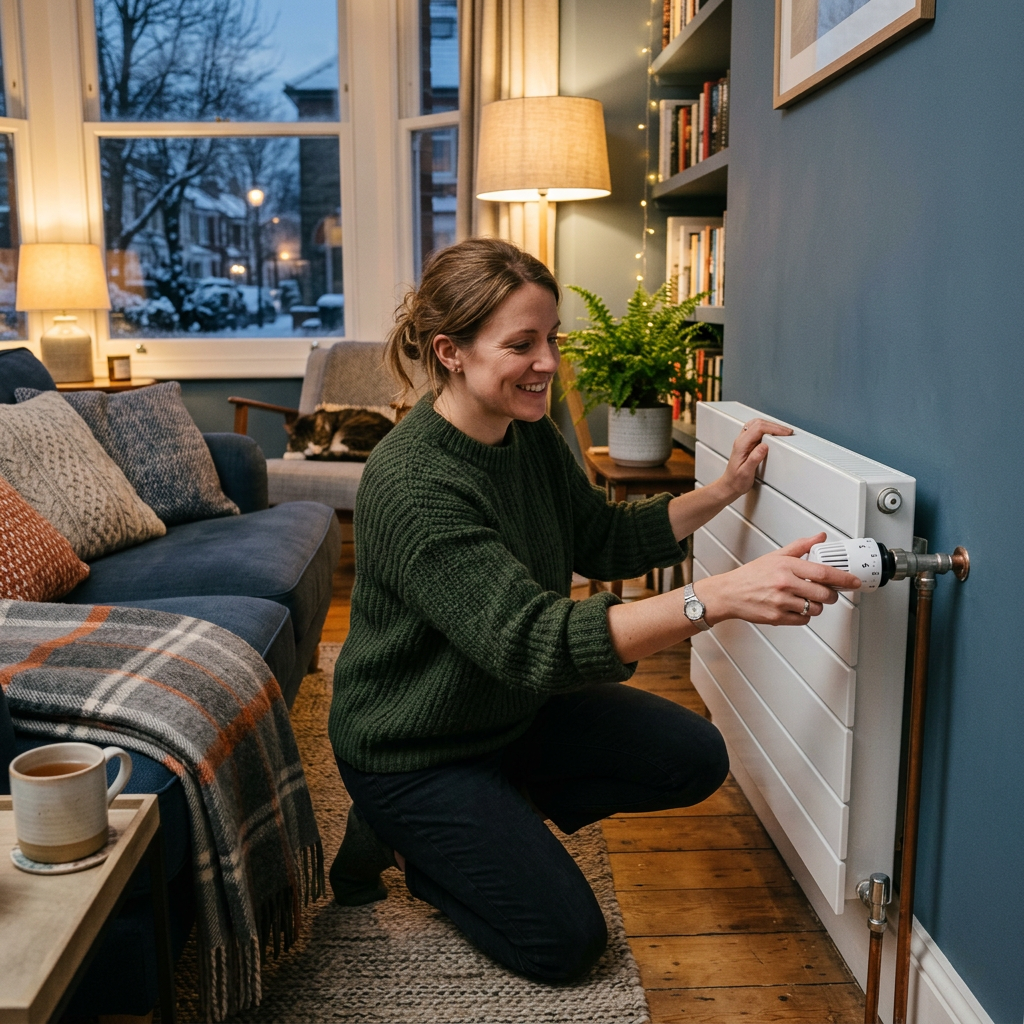
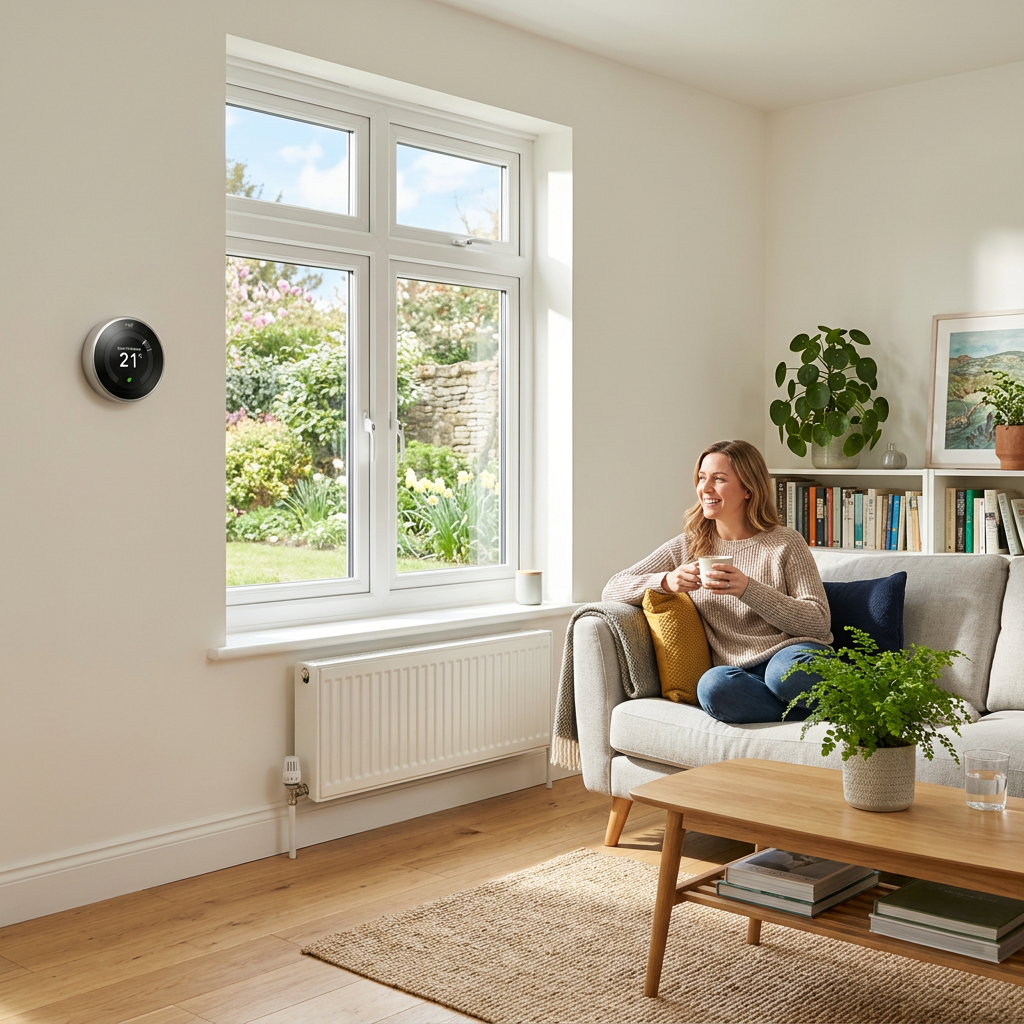
It’s also important to understand how your thermostat works and how to use it effectively. Programmable thermostats can help you save energy by automatically adjusting the temperature based on your schedule, while smart thermostats can learn your habits and make adjustments accordingly. By understanding the ins and outs of your heating system, you can make informed decisions about how to reduce energy consumption and save money.

Understanding your heating system is essential for reducing energy consumption and lowering heating bills. There are various types of heating systems, such as forced air, radiant heat, and steam radiators, each with its own set of energy-saving tips. For example, forced air systems can benefit from regular filter changes and duct sealing to improve efficiency, while radiant heat systems may require regular maintenance to ensure optimal performance.

It’s also important to understand how your thermostat works and how to use it effectively. Programmable thermostats can help you save energy by automatically adjusting the temperature based on your schedule, while smart thermostats can learn your habits and make adjustments accordingly. By understanding the ins and outs of your heating system, you can make informed decisions about how to reduce energy consumption and save money.

Insulating Your Home

Proper insulation is key to reducing heat loss and improving energy efficiency in your home. Insulation helps to keep warm air inside during the winter and cool air inside during the summer, reducing the need for constant heating and cooling. Common areas for insulation include the attic, walls, floors, and basement. Adding insulation to these areas can significantly reduce energy consumption and lower heating bills.

In addition to traditional insulation materials like fiberglass and cellulose, there are also more modern options such as spray foam insulation, which can provide a higher level of insulation with less material. Properly insulating your home can also help to reduce drafts and improve overall comfort. By investing in quality insulation and ensuring that it is properly installed, you can make a significant impact on your home’s energy efficiency.

Proper insulation is crucial for reducing heat loss and improving energy efficiency in your home. Insulation helps to keep warm air inside during the winter and cool air inside during the summer, reducing the need for constant heating and cooling. Common areas for insulation include the attic, walls, floors, and basement. Adding insulation to these areas can significantly reduce energy consumption and lower heating bills.

In addition to traditional insulation materials like fiberglass and cellulose, there are also more modern options such as spray foam insulation, which can provide a higher level of insulation with less material. Properly insulating your home can also help to reduce drafts and improve overall comfort. By investing in quality insulation and ensuring that it is properly installed, you can make a significant impact on your home’s energy efficiency.

Using Energy-Efficient Appliances

Using energy-efficient appliances is another important step in reducing energy consumption and lowering heating bills. When shopping for new appliances, look for the Energy Star label, which indicates that the appliance meets strict energy efficiency guidelines set by the Environmental Protection Agency. Energy-efficient appliances not only use less energy, but they also often perform better and last longer than their less efficient counterparts.

In addition to choosing energy-efficient appliances, it’s important to use them wisely. For example, only run the dishwasher or washing machine when they are full, and consider air-drying clothes instead of using a dryer. Small changes in how you use your appliances can add up to significant energy savings over time. By investing in energy-efficient appliances and using them wisely, you can make a positive impact on both your energy consumption and your wallet.

Using energy-efficient appliances is another crucial step in reducing energy consumption and lowering heating bills. When shopping for new appliances, look for the Energy Star label, which indicates that the appliance meets strict energy efficiency guidelines set by the Environmental Protection Agency. Energy-efficient appliances not only use less energy, but they also often perform better and last longer than their less efficient counterparts.

In addition to choosing energy-efficient appliances, it’s important to use them wisely. For example, only run the dishwasher or washing machine when they are full, and consider air-drying clothes instead of using a dryer. Small changes in how you use your appliances can add up to significant energy savings over time. By investing in energy-efficient appliances and using them wisely, you can make a positive impact on both your energy consumption and your wallet.

Maximising Natural Light

Maximising natural light in your home is not only beneficial for your mood and well-being but can also help reduce the need for artificial lighting and heating. During the day, open curtains and blinds to let in as much natural light as possible. Consider using light-coloured window treatments that allow light to pass through while still providing privacy. Additionally, strategically placing mirrors in your home can help reflect natural light into darker areas.

In addition to maximising natural light, it’s important to minimise heat loss through windows. Consider investing in double or triple-pane windows with low-emissivity coatings to reduce heat transfer while still allowing natural light to enter your home. By maximising natural light and minimising heat loss through windows, you can reduce both your energy consumption and your reliance on artificial lighting and heating.

Maximising natural light in your home is not only beneficial for your mood and well-being but can also help reduce the need for artificial lighting and heating. During the day, open curtains and blinds to let in as much natural light as possible. Consider using light-coloured window treatments that allow light to pass through while still providing privacy. Additionally, strategically placing mirrors in your home can help reflect natural light into darker areas.

In addition to maximising natural light, it’s important to minimise heat loss through windows. Consider investing in double or triple-pane windows with low-emissivity coatings to reduce heat transfer while still allowing natural light to enter your home. By maximising natural light and minimising heat loss through windows, you can reduce both your energy consumption and your reliance on artificial lighting and heating.

Sealing Drafts and Leaks

Sealing drafts and leaks in your home is a simple yet effective way to improve energy efficiency and reduce heating bills. Common areas for drafts include windows, doors, electrical outlets, and plumbing penetrations. Use weather stripping or caulking to seal any gaps or cracks around these areas to prevent warm air from escaping and cold air from entering.

In addition to sealing drafts around windows and doors, it’s important to insulate any exposed pipes or ductwork to prevent heat loss. By taking the time to seal drafts and leaks in your home, you can significantly reduce energy consumption and improve overall comfort. Regularly inspecting for drafts and leaks and addressing them promptly can make a big difference in both your energy bills and your home’s energy efficiency.

Sealing drafts and leaks in your home is a simple yet effective way to improve energy efficiency and reduce heating bills. Common areas for drafts include windows, doors, electrical outlets, and plumbing penetrations. Use weather stripping or caulking to seal any gaps or cracks around these areas to prevent warm air from escaping and cold air from entering.

In addition to sealing drafts around windows and doors, it’s important to insulate any exposed pipes or ductwork to prevent heat loss. By taking the time to seal drafts and leaks in your home, you can significantly reduce energy consumption and improve overall comfort. Regularly inspecting for drafts and leaks and addressing them promptly can make a big difference in both your energy bills and your home’s energy efficiency.

Setting Your Thermostat

Setting your thermostat at an optimal temperature is key to reducing energy consumption without sacrificing comfort. During the winter months, aim for a temperature of around 68°F (20°C) when you’re at home and awake, and lower it by a few degrees when you’re asleep or away from home. In the summer months, aim for a temperature of around 78°F (25°C) when you’re at home and raise it when you’re asleep or away.

Consider investing in a programmable or smart thermostat that allows you to easily set different temperatures for different times of day or days of the week. This way, you can ensure that your home is always at a comfortable temperature without wasting unnecessary energy. By setting your thermostat at an optimal temperature and using a programmable or smart thermostat, you can make a significant impact on your energy consumption and heating bills.

Setting your thermostat at an optimal temperature is key to reducing energy consumption without sacrificing comfort. During the winter months, aim for a temperature of around 68°F (20°C) when you’re at home and awake, and lower it by a few degrees when you’re asleep or away from home. In the summer months, aim for a temperature of around 78°F (25°C) when you’re at home and raise it when you’re asleep or away.

Consider investing in a programmable or smart thermostat that allows you to easily set different temperatures for different times of day or days of the week. This way, you can ensure that your home is always at a comfortable temperature without wasting unnecessary energy. By setting your thermostat at an optimal temperature and using a programmable or smart thermostat, you can make a significant impact on your energy consumption and heating bills.

Utilising Alternative Heating Sources

Utilising alternative heating sources can further reduce your reliance on traditional heating systems and lower your energy consumption. For example, using a fireplace or wood-burning stove can provide supplemental heat during the winter months while reducing the need for central heating. Additionally, investing in a space heater for specific areas of your home can help reduce overall heating costs by only warming the rooms that are in use.

In addition to alternative heating sources, consider harnessing solar power as a renewable energy source for heating purposes. Solar panels can be used to generate electricity for electric heaters or hot water systems, reducing reliance on traditional fossil fuels. By utilising alternative heating sources such as fireplaces, wood-burning stoves, space heaters, or solar power, you can significantly reduce your energy consumption while staying warm during the colder months.

Utilising alternative heating sources can further reduce your reliance on traditional heating systems and lower your energy consumption. For example, using a fireplace or wood-burning stove can provide supplemental heat during the winter months while reducing the need for central heating. Additionally, investing in a space heater for specific areas of your home can help reduce overall heating costs by only warming the rooms that are in use.

In addition to alternative heating sources, consider harnessing solar power as a renewable energy source for heating purposes. Solar panels can be used to generate electricity for electric heaters or hot water systems, reducing reliance on traditional fossil fuels. By utilising alternative heating sources such as fireplaces, wood-burning stoves, space heaters, or solar power, you can significantly reduce your energy consumption while staying warm during the colder months.

In conclusion, there are many ways to reduce energy consumption and lower heating bills in your home. Understanding your heating system, insulating your home, using energy-efficient appliances, maximising natural light, sealing drafts and leaks, setting your thermostat at an optimal temperature, and utilising alternative heating sources are all effective strategies for improving energy efficiency. By implementing these tips into your daily routine, you can make a positive impact on both the environment and your wallet while staying warm and comfortable throughout the year.

Smart meters are the next generation of energy meters that are designed to provide more accurate and detailed information about your energy usage. Unlike traditional meters, smart meters can measure your energy consumption in real-time and send this data directly to your energy supplier. This means that you no longer have to manually submit meter readings, as the smart meter will do this automatically.

Smart meters work by using a secure wireless network to send your energy usage data to your energy supplier. This data is then used to generate accurate bills based on your actual energy consumption, rather than estimates. In addition to this, smart meters also come with an in-home display unit that allows you to see how much energy you are using in real-time, as well as how much it is costing you. This can help you to identify areas where you may be using more energy than necessary, and make changes to reduce your energy consumption.

The Benefits of Smart Meters: How They Can Help You Save Money on Your Energy Bills

One of the main benefits of smart meters is that they can help you to save money on your energy bills. By providing real-time information about your energy usage, smart meters can help you to identify areas where you may be using more energy than necessary, and make changes to reduce your consumption. This can lead to significant savings on your energy bills over time.

In addition to this, smart meters also eliminate the need for estimated bills, as they provide accurate data about your energy usage directly to your energy supplier. This means that you will only be billed for the energy that you actually use, rather than an estimate based on previous usage. This can help to prevent overcharging and ensure that you are only paying for the energy that you have consumed.

How to Use Smart Meters to Monitor Your Energy Usage and Identify Areas for Savings

Using smart meters to monitor your energy usage is a simple and effective way to identify areas where you may be using more energy than necessary. The in-home display unit that comes with smart meters allows you to see how much energy you are using in real-time, as well as how much it is costing you. This can help you to identify which appliances or behaviours are using the most energy, and make changes to reduce your consumption.

To make the most of your smart meter, it is important to regularly check the in-home display unit and monitor your energy usage throughout the day. By doing this, you can identify patterns in your energy consumption and make changes to reduce your usage during peak times. For example, you may find that you are using a lot of energy during the evening when cooking dinner, and could make changes such as using energy-efficient appliances or cooking at off-peak times to reduce your consumption.

Tips for Making the Most of Smart Meters: How to Adjust Your Energy Consumption to Save Money

There are several tips and tricks that you can use to make the most of your smart meter and adjust your energy consumption to save money. One of the most effective ways to do this is by identifying which appliances or behaviours are using the most energy, and making changes to reduce your consumption. For example, you may find that you are using a lot of energy by leaving appliances on standby, and could make changes such as turning them off completely when not in use.

Another tip for making the most of your smart meter is to take advantage of off-peak energy tariffs. Many energy suppliers offer cheaper rates for energy usage during off-peak times, such as overnight or on weekends. By using your smart meter to monitor your energy usage and identifying when you are using the most energy, you can adjust your consumption to take advantage of these cheaper rates and save money on your energy bills.

Smart Meter Myths Debunked: Addressing Common Misconceptions and Concerns

There are several common myths and misconceptions about smart meters that can prevent people from taking advantage of their benefits. One of the most common myths is that smart meters are not secure and can be hacked. In reality, smart meters use a secure wireless network to send your energy usage data to your supplier, and have built-in security features to protect your data from being intercepted or tampered with.

Another common concern about smart meters is that they can be harmful to health due to the wireless signals that they use to send data. However, numerous studies have shown that the levels of radiofrequency emissions from smart meters are well below international safety standards, and pose no risk to health. It is important to separate fact from fiction when it comes to smart meters, and not let common myths prevent you from taking advantage of their benefits.

The Future of Smart Meters: How They Are Evolving to Provide Even More Savings Opportunities

The future of smart meters looks promising, with new developments and innovations being made to provide even more savings opportunities for consumers. One of the most exciting developments is the integration of smart meters with smart home technology, such as thermostats and appliances. This will allow consumers to automate their energy usage based on real-time data from their smart meter, and make changes to reduce their consumption without having to manually monitor their usage.

In addition to this, there are also plans to introduce time-of-use tariffs that will allow consumers to take advantage of cheaper rates for energy usage during off-peak times. This will provide even more opportunities for consumers to save money on their energy bills by adjusting their consumption based on real-time data from their smart meter. The future of smart meters looks bright, with new developments being made to provide even more savings opportunities for consumers.

Getting Started with Smart Meters: How to Install and Use Them in Your Home

Getting started with smart meters is a simple process that can provide significant benefits for consumers. To install a smart meter in your home, all you need to do is contact your energy supplier and request a smart meter installation. Once installed, you will be provided with an in-home display unit that allows you to see how much energy you are using in real-time, as well as how much it is costing you.

Using a smart meter in your home is also simple and straightforward. All you need to do is regularly check the in-home display unit and monitor your energy usage throughout the day. By doing this, you can identify areas where you may be using more energy than necessary, and make changes to reduce your consumption. With the right knowledge and tools, anyone can use a smart meter to save money on their energy bills and reduce their environmental impact.