Your 2026 guide to going renewable at home. Learn the best green tariffs, solar and heat pump options, typical costs, grants and how to compare and switch suppliers.
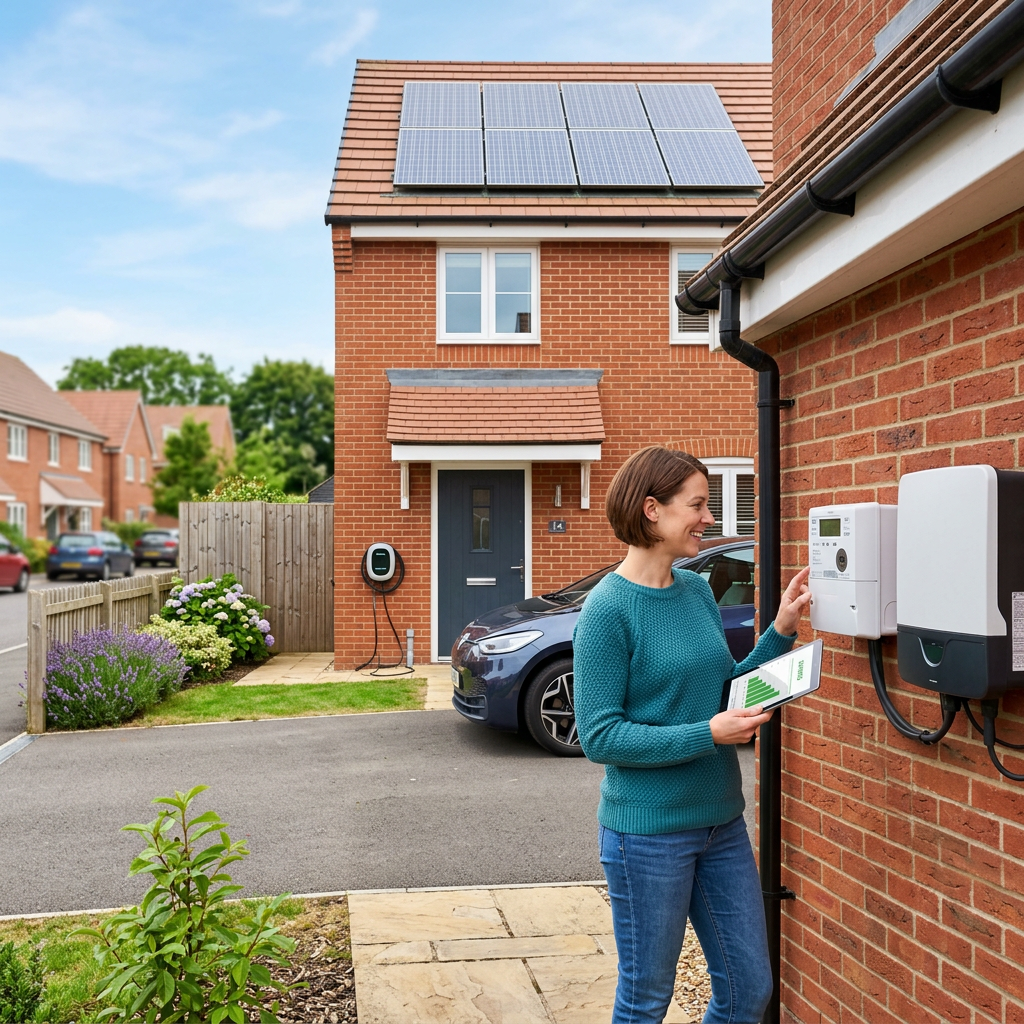

Your 2026 guide to going renewable at home. Learn the best green tariffs, solar and heat pump options, typical costs, grants and how to compare and switch suppliers.
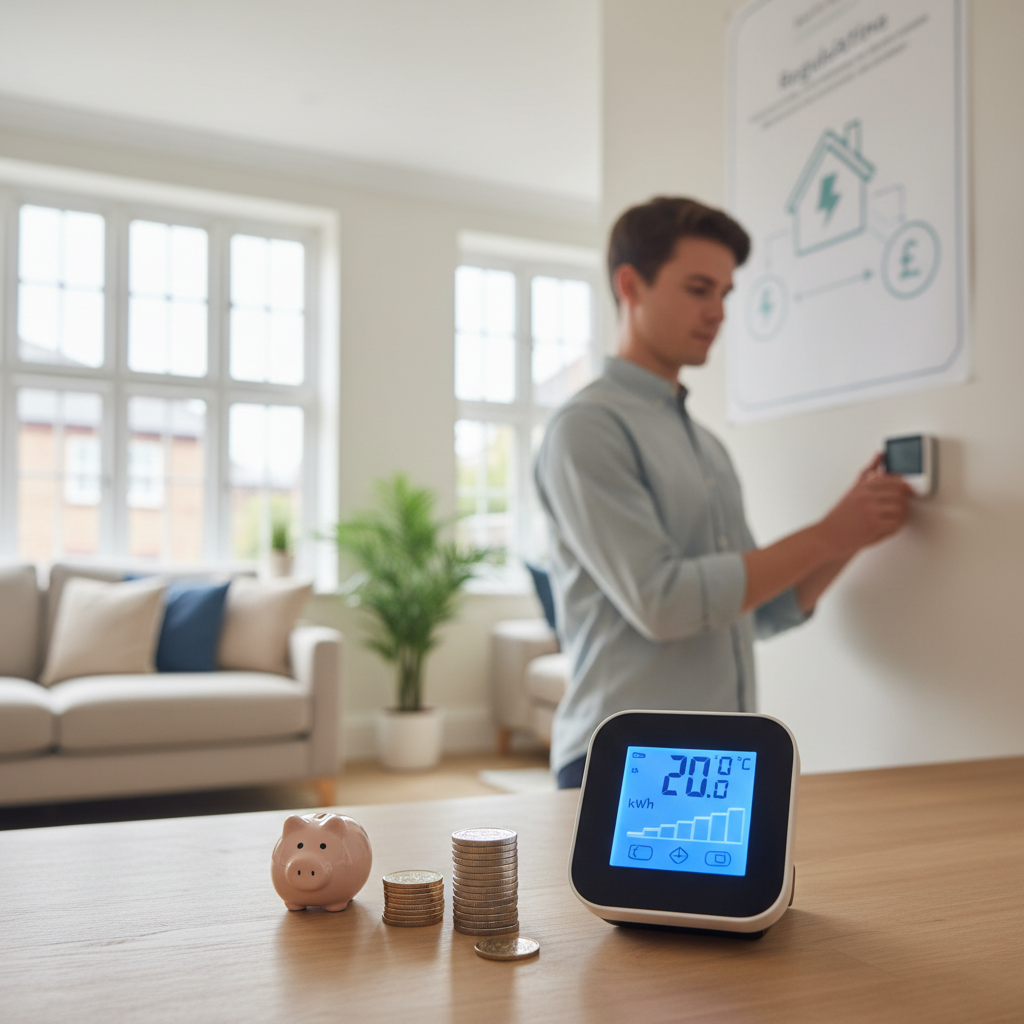
Understand how Ofgem’s price cap works, what it covers, and how it affects your gas and electricity bills. Get practical tips to cut usage, choose the right tariff, and know when to switch to save more.
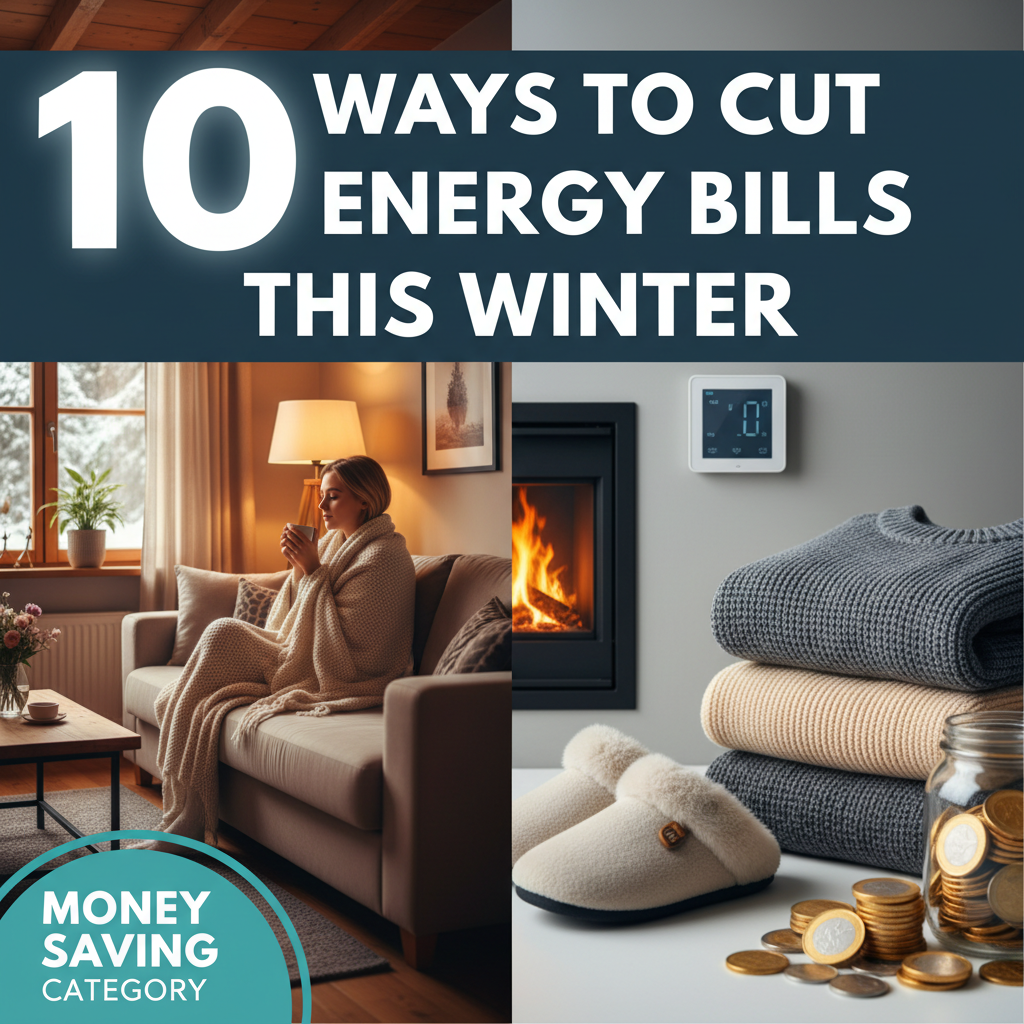
As winter rolls in, many households face the challenge of rising energy costs. Discover 10 practical strategies to reduce your energy bills this winter while keeping your home warm and comfortable. These tips not only save money but also promote energy efficiency and sustainability.

Understanding your carbon footprint is the first step towards making a positive impact on the environment. Your carbon footprint is the total amount of greenhouse gases, particularly carbon dioxide, that are emitted as a result of your activities and lifestyle choices. This includes the energy you use at home, the fuel you use for transportation, and the products you consume. By calculating your carbon footprint, you can gain a better understanding of the impact your daily actions have on the environment. This awareness can then empower you to make changes that reduce your carbon footprint and lessen your impact on the planet.
Calculating your carbon footprint can be done through online calculators that take into account various factors such as your energy usage, transportation habits, and waste production. By inputting data such as your electricity and gas usage, the type of vehicle you drive, and the amount of waste you produce, these calculators can provide an estimate of your carbon footprint. Once you have a clear understanding of your carbon footprint, you can begin to identify areas where you can make changes to reduce it. This might involve using energy more efficiently, choosing greener transportation options, or making more sustainable consumer choices. If you want to compare cheap energy deals, it only takes a few minutes.
The impact of energy savings on the environment cannot be overstated. By reducing our energy consumption, we can significantly decrease the amount of greenhouse gases that are released into the atmosphere. This, in turn, helps to mitigate climate change and its associated environmental impacts. Energy savings also reduce the demand for fossil fuels, which are a major source of air and water pollution. By using less energy, we can help to protect natural habitats and wildlife, as well as safeguarding our own health and wellbeing.
In addition to reducing greenhouse gas emissions, energy savings can also help to conserve natural resources such as water and land. Many forms of energy production require significant amounts of water and land, which can have detrimental effects on ecosystems and biodiversity. By using energy more efficiently and investing in renewable energy sources, we can lessen our reliance on these resources and minimise the environmental damage caused by their extraction and use. Ultimately, the impact of energy savings on the environment is far-reaching and has the potential to create a more sustainable and resilient planet for future generations. You can also find cheaper energy to see what’s available.
There are many practical tips for minimising energy consumption that can be easily implemented in our daily lives. One of the most effective ways to reduce energy usage is by improving the efficiency of our homes. This can be achieved through simple measures such as insulating walls and roofs, installing double-glazed windows, and using energy-efficient appliances. By reducing heat loss and using less energy for heating and cooling, we can significantly lower our energy consumption and carbon footprint.
Another practical tip for minimising energy consumption is to be mindful of our transportation habits. Choosing to walk, cycle, or use public transport instead of driving can greatly reduce our carbon emissions. If driving is necessary, carpooling or using fuel-efficient vehicles can also make a positive impact. Additionally, adopting eco-friendly habits such as turning off lights and appliances when not in use, using energy-saving light bulbs, and unplugging electronics can further reduce our energy consumption. By making these small changes in our daily lives, we can collectively make a significant difference in reducing our environmental impact.
In addition to the environmental benefits, there are also significant financial benefits to be gained from energy savings. One of the most obvious financial benefits is the reduction in energy bills that comes from using less electricity, gas, and fuel. By improving the efficiency of our homes and making conscious choices about our energy usage, we can save money on our utility bills each month. Over time, these savings can add up to a substantial amount, providing us with more disposable income to spend on other priorities.
Furthermore, investing in energy-efficient technologies and renewable energy sources can also lead to long-term financial gains. For example, installing solar panels or a heat pump can generate clean energy for your home and potentially even earn you money through government incentives such as feed-in tariffs. Similarly, upgrading to energy-efficient appliances and lighting can result in lower maintenance and replacement costs over time. By making smart investments in energy efficiency, we can not only save money but also increase the value of our homes and businesses.
Renewable energy sources play a crucial role in reducing our reliance on fossil fuels and mitigating climate change. Unlike fossil fuels, which are finite resources that produce harmful emissions when burned, renewable energy sources such as solar, wind, and hydroelectric power are clean and sustainable. By harnessing these natural resources to generate electricity, we can significantly reduce our carbon emissions and environmental impact.
Solar power is one of the most widely accessible renewable energy sources, with the potential to provide clean electricity for homes, businesses, and communities. By installing solar panels on rooftops or in open spaces, we can capture the sun’s energy and convert it into electricity without producing any greenhouse gas emissions. Similarly, wind power uses turbines to harness the kinetic energy of the wind and convert it into electricity. This form of renewable energy has the potential to power entire cities and regions with minimal environmental impact.
Governments around the world are recognising the importance of promoting energy efficiency and renewable energy sources through various incentives and policies. In many countries, homeowners and businesses can benefit from financial incentives such as grants, rebates, and tax credits for investing in energy-saving technologies and renewable energy systems. These incentives not only help to offset the initial costs of installation but also provide ongoing financial support for generating clean energy.
Feed-in tariffs are another common government incentive for renewable energy systems, particularly for solar power. These tariffs allow homeowners and businesses to sell excess electricity generated by their solar panels back to the grid at a premium rate. This not only provides a financial return on investment but also encourages greater adoption of solar power and other renewable energy sources. Additionally, governments may offer low-interest loans or financing options for energy efficiency upgrades, making it more accessible for individuals and businesses to invest in sustainable technologies.
Taking action for a greener future involves making conscious choices about our energy usage and advocating for policies that support sustainability. As individuals, we can play a significant role in reducing our carbon footprint by adopting energy-saving practices in our homes and communities. This might involve investing in renewable energy systems, using public transportation or carpooling, supporting local initiatives for clean energy, and advocating for policies that promote sustainability.
On a larger scale, businesses and organisations can also take action for a greener future by implementing energy-efficient practices and investing in renewable energy technologies. By prioritising sustainability in their operations and supply chains, businesses can reduce their environmental impact while also benefiting from cost savings and improved brand reputation. Additionally, advocating for policies that support clean energy and carbon reduction at local, national, and international levels is crucial for creating a greener future for all.
In conclusion, understanding our carbon footprint and taking steps to minimise our energy consumption are essential for protecting the environment and creating a sustainable future. By making conscious choices about our energy usage, investing in renewable energy sources, and advocating for policies that support sustainability, we can all contribute to a greener planet for generations to come. The financial benefits of energy savings further incentivise us to make these changes, while government incentives provide support for transitioning towards cleaner and more efficient energy systems. It is up to each of us to take action for a greener future and make a positive impact on the environment.

Understanding your energy usage is the first step in finding the best energy provider for your needs. By knowing how much energy you use on a daily, weekly, and monthly basis, you can better assess which energy tariffs and rates will be most beneficial for you. Take note of your energy consumption patterns, such as peak usage times and high-energy appliances, to help you make an informed decision when comparing energy providers. Additionally, consider any energy-saving measures you can implement to reduce your overall usage, such as using energy-efficient appliances or improving insulation in your home. By understanding your energy usage, you can make a more accurate assessment of the type of energy plan that will best suit your needs and budget.
Understanding your energy usage is crucial in finding the right energy provider for your home or business. By analysing your energy consumption patterns, you can identify areas where you can make changes to reduce your overall usage and potentially save money on your energy bills. For example, if you notice that you have high energy usage during certain times of the day, you may be able to adjust your habits or invest in energy-efficient appliances to lower your consumption. Additionally, understanding your energy usage will help you accurately compare different energy tariffs and rates to find the best deal for your specific needs. By taking the time to understand your energy usage, you can make a more informed decision when it comes to choosing an energy provider that will best meet your requirements. If you want to compare cheap energy deals, it only takes a few minutes.
Once you have a clear understanding of your energy usage, the next step is to research local energy providers in your area. Start by gathering information on the various energy companies that operate in your region and take note of their services, tariffs, and customer reviews. Consider factors such as the types of energy they offer (e.g. renewable or non-renewable), their customer service reputation, and any special offers or incentives they may have for new customers. It’s also important to check if the energy providers offer fixed or variable rate plans, as this can have a significant impact on your overall energy costs. By thoroughly researching local energy providers, you can make a more informed decision when it comes to choosing the right company for your energy needs.
Researching local energy providers is an essential step in finding the best energy deal for your home or business. Take the time to gather information on the various companies that operate in your area and compare their services, tariffs, and customer satisfaction ratings. Look for any special offers or incentives they may have for new customers, as well as their reputation for customer service and reliability. Additionally, consider the types of energy they offer, such as renewable or non-renewable sources, and whether they provide fixed or variable rate plans. By thoroughly researching local energy providers, you can ensure that you are making an informed decision when it comes to choosing the right company for your energy needs. You can also find cheaper energy to see what’s available.
Once you have researched local energy providers, it’s time to compare the tariffs and rates they offer to find the best deal for your specific needs. Take note of the different types of tariffs available, such as fixed-rate plans, variable-rate plans, or time-of-use plans, and consider how each one would impact your overall energy costs. Additionally, compare the rates offered by different providers and take note of any additional fees or charges that may apply. It’s important to consider not only the initial rates but also any potential price increases over time, as well as any discounts or incentives that may be available. By comparing tariffs and rates from different energy providers, you can make a more informed decision when it comes to choosing the best deal for your home or business.
Comparing tariffs and rates from different energy providers is a crucial step in finding the best energy deal for your specific needs. Take the time to carefully assess the various types of tariffs available, such as fixed-rate plans, variable-rate plans, or time-of-use plans, and consider how each one would impact your overall energy costs. Additionally, compare the rates offered by different providers and take note of any additional fees or charges that may apply. It’s important to consider not only the initial rates but also any potential price increases over time, as well as any discounts or incentives that may be available. By thoroughly comparing tariffs and rates from different energy providers, you can ensure that you are making an informed decision when it comes to choosing the best deal for your home or business.
In addition to comparing tariffs and rates, it’s important to evaluate customer reviews and satisfaction ratings when researching local energy providers. Look for feedback from current and past customers to get an idea of the level of service and reliability offered by each company. Pay attention to any recurring issues or complaints that may indicate potential problems with a particular provider. Additionally, consider any positive reviews or recommendations from satisfied customers as a sign of a reputable and reliable energy company. By evaluating customer reviews and satisfaction ratings, you can gain valuable insights into the quality of service provided by different energy providers and make a more informed decision when choosing the right company for your needs.
Evaluating customer reviews and satisfaction ratings is an essential part of researching local energy providers and finding the best deal for your home or business. Take the time to gather feedback from current and past customers to get an idea of the level of service and reliability offered by each company. Look for any recurring issues or complaints that may indicate potential problems with a particular provider, as well as any positive reviews or recommendations from satisfied customers. By evaluating customer reviews and satisfaction ratings, you can gain valuable insights into the quality of service provided by different energy providers and make a more informed decision when choosing the right company for your needs.
Price comparison websites can be a valuable tool in helping you find the best energy deal for your specific needs. These websites allow you to compare tariffs and rates from different energy providers in your area, making it easier to identify the most cost-effective options available to you. By using price comparison websites, you can quickly and easily compare the various offers from different companies and find the best deal for your home or business. Additionally, many price comparison websites also provide additional information on customer reviews and satisfaction ratings, making it easier to make an informed decision when choosing an energy provider.
Utilising price comparison websites is an effective way to find the best energy deal for your home or business. These websites allow you to compare tariffs and rates from different energy providers in your area, making it easier to identify the most cost-effective options available to you. By using price comparison websites, you can quickly and easily compare the various offers from different companies and find the best deal for your specific needs. Additionally, many price comparison websites also provide additional information on customer reviews and satisfaction ratings, making it easier to make an informed decision when choosing an energy provider.
Once you have narrowed down your options, consider contacting the energy providers directly to inquire about any special offers or incentives they may have for new customers. Many companies offer promotional deals or discounts for signing up with their services, so it’s worth reaching out to see if there are any additional benefits available to you. Additionally, speaking with a representative from the company can provide you with more detailed information on their services and help you make a more informed decision when choosing an energy provider.
Contacting energy providers directly is a proactive way to find out about any special offers or incentives they may have for new customers. Many companies offer promotional deals or discounts for signing up with their services, so it’s worth reaching out to see if there are any additional benefits available to you. Additionally, speaking with a representative from the company can provide you with more detailed information on their services and help you make a more informed decision when choosing an energy provider.
After thorough research and comparison, it’s time to make the switch to a better energy deal that meets your specific needs. Contact the chosen energy provider to initiate the process of switching over your services and ensure that all necessary steps are taken to complete the transition smoothly. Be sure to review all terms and conditions before finalising the switch and keep track of any important dates or deadlines related to the changeover. By making the switch to a better energy deal, you can potentially save money on your monthly bills while enjoying reliable and efficient service from a reputable provider.
Making the switch to a better energy deal is a rewarding outcome after thorough research and comparison. Contact the chosen energy provider to initiate the process of switching over your services and ensure that all necessary steps are taken to complete the transition smoothly. Be sure to review all terms and conditions before finalising the switch and keep track of any important dates or deadlines related to the changeover. By making the switch to a better energy deal, you can potentially save money on your monthly bills while enjoying reliable and efficient service from a reputable provider.
In conclusion, finding the best energy provider for your home or business requires careful consideration of various factors such as understanding your energy usage, researching local providers, comparing tariffs and rates, evaluating customer reviews and satisfaction, utilising price comparison websites, contacting providers for special offers, and making the switch to a better deal. By taking these steps and making informed decisions based on thorough research and comparison, you can ensure that you are getting the most cost-effective and reliable energy services available to meet your specific needs. With careful planning and consideration of all available options, you can find an energy provider that offers competitive rates, excellent customer service, and reliable performance that will benefit both your budget and peace of mind in the long run.
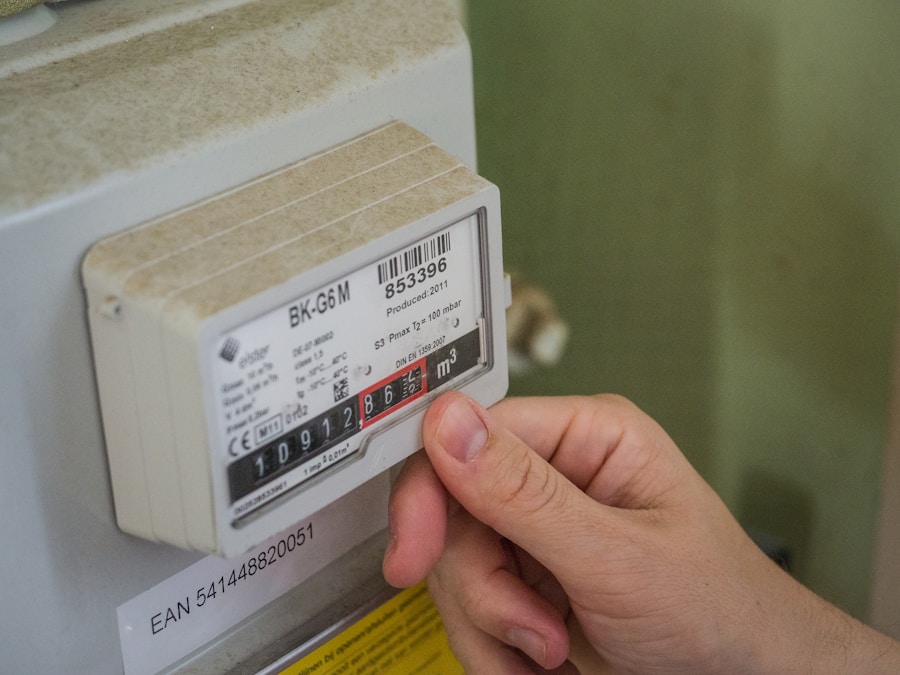
Energy rates can be a confusing topic for many homeowners, but understanding how they work is essential for managing your household expenses. Energy rates are the charges you pay for the electricity and gas that powers your home. These rates can fluctuate based on a variety of factors, including market demand, fuel costs, and government regulations. In some cases, energy rates may be fixed, meaning they remain the same for a set period of time, while in other cases they may be variable, meaning they can change from month to month.
It’s important to understand the difference between fixed and variable energy rates. Fixed rates provide stability and predictability, as you know exactly how much you will pay for your energy usage each month. Variable rates, on the other hand, can fluctuate based on market conditions, which can lead to unpredictable and potentially higher bills. By understanding the ins and outs of energy rates, you can make informed decisions about how to manage your household expenses and ensure financial stability. If you want to compare cheap energy deals, it only takes a few minutes.
There are several benefits to fixing your energy rates, which can provide peace of mind and financial stability for homeowners. One of the main advantages of fixed energy rates is the predictability they offer. With fixed rates, you know exactly how much you will pay for your energy usage each month, making it easier to budget and plan for your household expenses. This can be especially beneficial for homeowners on a fixed income or those looking to manage their finances more effectively.
In addition to predictability, fixing your energy rates can also protect you from market fluctuations. When energy rates are variable, they can be influenced by changes in fuel costs, market demand, and government regulations. This means that your energy bills could potentially increase without warning, putting a strain on your finances. By fixing your energy rates, you can shield yourself from these fluctuations and ensure that your bills remain consistent and manageable. Overall, fixing your energy rates can provide financial security and peace of mind for homeowners looking to take control of their household expenses. You can also find cheaper energy to see what’s available.
Fixing your energy rates is a relatively straightforward process that can be done through your energy provider or a third-party supplier. The first step is to research the available fixed rate plans in your area and compare them to your current energy rates. This will give you an idea of the potential savings and benefits of fixing your rates. Once you have found a plan that suits your needs, you can contact your energy provider or supplier to discuss the details and sign up for the fixed rate plan.
It’s important to carefully review the terms and conditions of the fixed rate plan before making any commitments. Pay attention to the length of the fixed rate period, any early termination fees, and any additional charges or fees that may apply. Once you have signed up for a fixed rate plan, your energy provider will handle the rest, including updating your account and ensuring that your bills reflect the new fixed rates. By following these steps, you can easily fix your energy rates and enjoy the benefits of stability and predictability in your household expenses.
For homeowners looking to achieve financial stability, fixing their energy rates can be a smart move. With fixed rates, homeowners can avoid the uncertainty and potential expense of variable energy rates, providing peace of mind and predictability in their household expenses. This can be especially beneficial for those on a fixed income or with limited resources, as it allows them to budget more effectively and avoid unexpected spikes in their energy bills.
In addition to providing stability, fixing energy rates can also help homeowners save money in the long run. By locking in a lower rate, homeowners can protect themselves from potential increases in energy costs and potentially reduce their overall energy expenses. This can free up funds for other household needs and provide a sense of financial security. Overall, fixing energy rates can be a valuable tool for homeowners looking to achieve greater financial stability and control over their household expenses.
One of the key benefits of fixing energy rates is the impact it has on predictable budgeting for household expenses. With fixed rates, homeowners know exactly how much they will pay for their energy usage each month, making it easier to budget and plan for their financial needs. This predictability can be especially valuable for those on a fixed income or with limited resources, as it allows them to allocate funds more effectively and avoid unexpected spikes in their energy bills.
In addition to providing predictability, fixing energy rates can also help homeowners avoid the stress and uncertainty that comes with variable rates. When energy rates are variable, homeowners may experience fluctuations in their bills based on market conditions, fuel costs, and government regulations. This can make it difficult to plan for and manage household expenses, leading to financial strain and anxiety. By fixing their energy rates, homeowners can eliminate this uncertainty and enjoy greater peace of mind when it comes to their monthly bills.
In addition to the financial benefits, fixing energy rates can also have a positive impact on the environment by supporting sustainable living practices. When homeowners have stable and predictable energy bills, they are more likely to invest in energy-efficient appliances and make environmentally friendly choices in their homes. This can lead to reduced energy consumption and lower carbon emissions, contributing to a healthier planet for future generations.
By fixing their energy rates, homeowners can also support renewable energy sources and reduce their reliance on fossil fuels. Many fixed rate plans offer options for green energy, such as wind or solar power, which can further reduce the environmental impact of household energy usage. Overall, fixing energy rates can be a powerful tool for homeowners looking to make a positive impact on the environment and support sustainable living practices in their daily lives.
In conclusion, fixing your energy rates can offer a range of benefits for homeowners looking to achieve financial stability, predictable budgeting, and support sustainable living practices. By understanding the ins and outs of energy rates and comparing fixed rate plans in your area, you can make informed decisions about how to manage your household expenses more effectively. Whether you are on a fixed income or simply looking to take control of your finances, fixing your energy rates can provide peace of mind and security for the future.
Ultimately, the decision to fix your energy rates is a personal one that depends on your individual circumstances and goals. However, for many homeowners, the stability and predictability offered by fixed rates can make a significant difference in their quality of life. By taking the time to research and consider your options, you can determine whether fixing your energy rates is right for you and enjoy the many benefits it has to offer.

Direct debit is a convenient and hassle-free way to pay for your energy bills. It is an automated payment method that allows your energy provider to withdraw the amount due from your bank account on a prearranged date. This means you don’t have to worry about remembering to pay your bills on time or queuing at the bank to make a payment. Direct debit payments are a popular choice for many consumers because they offer peace of mind and help to avoid late payment fees.
Direct debit payments are also a secure way to pay for your energy bills. The process is regulated by the Direct Debit Guarantee, which ensures that you are protected from any errors or fraudulent activity. This means that if there is an error in the payment, you are entitled to a full and immediate refund from your bank. Additionally, direct debit payments provide a clear record of your transactions, making it easier to track your energy usage and expenditure. If you want to compare cheap energy deals, it only takes a few minutes.
There are several benefits to using direct debit for your energy bills. Firstly, it can help you to budget more effectively. By setting up a regular payment schedule, you can spread the cost of your energy bills evenly throughout the year, making it easier to manage your finances. This can be particularly helpful during the winter months when energy usage tends to increase.
Another benefit of direct debit payments is that they can help you to avoid late payment fees. By automating your payments, you can ensure that your bills are always paid on time, reducing the risk of incurring additional charges. Additionally, direct debit payments can also help you to build a positive credit history, as regular and timely payments can improve your credit score. You can also find cheaper energy to see what’s available.
Setting up direct debit payments for your energy bills is a straightforward process. Firstly, you will need to contact your energy provider to request a direct debit mandate form. This form will require you to provide your bank account details and authorise your energy provider to collect payments from your account. Once you have completed the form, you can return it to your energy provider either by post or online.
After submitting the direct debit mandate form, your energy provider will set up the payment schedule and inform you of the amount and date of each payment. It is important to ensure that there are sufficient funds in your bank account on the agreed payment date to avoid any issues with the transaction. Once the direct debit is set up, you will receive regular statements from your energy provider detailing the amount due and the date of collection.
While direct debit payments offer many benefits, it is important to manage them effectively to avoid any potential issues. One tip for managing direct debit payments is to regularly review your energy usage and bills. By monitoring your consumption, you can ensure that your direct debit payments accurately reflect your actual usage, preventing any overpayments or underpayments.
Another tip for managing direct debit payments is to keep track of your bank account balance. It is important to ensure that there are sufficient funds in your account on the agreed payment date to avoid any failed transactions or charges from your bank. Additionally, it is advisable to review your energy bills regularly to check for any discrepancies or unexpected changes in the amount due.
Using direct debit for your energy bills can also lead to potential savings. Many energy providers offer discounts or incentives for customers who choose to pay by direct debit. These discounts can help to reduce the overall cost of your energy bills, providing an opportunity for significant savings over time.
Another potential saving with direct debit payments is the ability to avoid late payment fees. By ensuring that your bills are always paid on time, you can avoid incurring any additional charges from your energy provider. This can help to reduce the overall cost of your energy bills and improve your financial management.
There are several common misconceptions about direct debit payments for energy bills. One misconception is that direct debit payments are inflexible and cannot be adjusted. In reality, most energy providers offer flexible payment options, allowing you to change the amount or frequency of your direct debit payments if necessary.
Another common misconception is that direct debit payments are not secure. However, as mentioned earlier, direct debit payments are protected by the Direct Debit Guarantee, which ensures that you are entitled to a full refund in the event of an error or fraudulent activity. This provides peace of mind and security for consumers using direct debit for their energy bills.
In addition to using direct debit payments, there are other ways to save on your energy bills. One way is to switch to a more competitive energy tariff. By comparing different tariffs and providers, you may be able to find a better deal that offers lower rates or additional benefits.
Another way to save on energy bills is to improve the energy efficiency of your home. Simple measures such as installing energy-efficient appliances, improving insulation, and using smart heating controls can help to reduce your energy usage and lower your bills.
In conclusion, direct debit payments offer a convenient and secure way to pay for your energy bills, with several benefits including improved budgeting, avoiding late payment fees, and potential savings. By understanding how direct debit works and effectively managing your payments, you can make the most of this payment method and potentially reduce the overall cost of your energy bills. Additionally, there are other ways to save on energy bills, such as switching tariffs and improving energy efficiency, which can further help to reduce your expenditure and improve your financial management.

In today’s competitive energy market, customer service has become a key differentiator for energy suppliers. With so many options available to consumers, energy suppliers are constantly striving to improve their customer service in order to attract and retain customers. As a result, customer service ratings have become an important tool for consumers to evaluate and compare energy suppliers. These ratings provide valuable insights into the quality of customer service provided by different energy suppliers, helping consumers make informed decisions about which supplier to choose. In this article, we will explore the methodology for rating energy suppliers, the top energy supplier customer service ratings, key factors in customer service ratings, a comparison of energy supplier customer service ratings, and customer testimonials and experiences. By the end of this article, readers will have a comprehensive understanding of how to evaluate and choose an energy supplier based on their customer service ratings.
The methodology for rating energy suppliers’ customer service involves a comprehensive evaluation of various factors that contribute to the overall customer experience. These factors may include the ease of contacting customer service, the responsiveness of customer service representatives, the resolution of issues and complaints, the clarity and transparency of billing and pricing, and the overall satisfaction of customers. Ratings are often based on surveys and feedback from actual customers, as well as independent assessments by industry experts. Additionally, ratings may take into account the availability of online resources and tools for customers, such as account management portals and energy usage tracking. By considering these various factors, energy supplier customer service ratings aim to provide a holistic view of the quality of customer service provided by different suppliers. If you want to compare cheap energy deals, it only takes a few minutes.
Several energy suppliers have consistently received top ratings for their customer service. These suppliers have demonstrated a commitment to providing excellent customer service through various channels, including phone support, online chat, email, and social media. They have also shown a willingness to listen to customer feedback and continuously improve their customer service offerings. Some of the top-rated energy suppliers for customer service include British Gas, EDF Energy, E.ON, Npower, and Scottish Power. These suppliers have received high ratings for their responsiveness, professionalism, and effectiveness in resolving customer issues and complaints. Additionally, they have been praised for their transparent billing practices and user-friendly online platforms for managing accounts and tracking energy usage.
There are several key factors that contribute to energy supplier customer service ratings. One of the most important factors is the ease of contacting customer service. Customers value being able to reach a representative quickly and easily when they have questions or concerns about their energy service. Another key factor is the responsiveness of customer service representatives. Customers appreciate prompt and helpful responses to their inquiries and issues. Additionally, the resolution of issues and complaints is a crucial factor in customer service ratings. Customers want to feel that their concerns are being taken seriously and addressed effectively by the energy supplier. Furthermore, the clarity and transparency of billing and pricing play a significant role in customer service ratings. Customers expect to receive accurate and understandable bills, as well as clear information about pricing and charges. Overall satisfaction with the customer service experience is also a key factor in ratings, as it reflects the overall quality of the interactions between customers and the energy supplier. You can also find cheaper energy to see what’s available.
When comparing energy supplier customer service ratings, it is important to consider the specific strengths and weaknesses of each supplier. While some suppliers may excel in certain areas, they may fall short in others. For example, British Gas has been praised for its ease of contacting customer service and responsiveness of representatives, but has received criticism for its billing practices. On the other hand, EDF Energy has been commended for its transparent billing and pricing, but has faced challenges in resolving customer complaints effectively. By comparing these ratings, consumers can gain a better understanding of which energy supplier aligns with their specific needs and preferences. Additionally, it is important to consider the overall trend of ratings over time, as this can indicate whether an energy supplier is consistently improving its customer service or experiencing declines in performance.
Customer testimonials and experiences provide valuable insights into the real-life interactions between customers and energy suppliers. These testimonials often highlight specific instances where customers have had positive or negative experiences with a particular supplier’s customer service. For example, some customers may share stories of receiving exceptional support from a representative who went above and beyond to resolve their issue, while others may recount frustrating experiences with long wait times or unhelpful responses from customer service. By reading these testimonials, consumers can gain a better understanding of what to expect when interacting with a specific energy supplier’s customer service. Additionally, hearing about other customers’ experiences can help consumers feel more confident in their decision-making process when choosing an energy supplier.
In conclusion, energy supplier customer service ratings are an important tool for consumers to evaluate and compare different suppliers. By understanding the methodology for rating energy suppliers, the top-rated suppliers for customer service, key factors in customer service ratings, a comparison of ratings, and customer testimonials and experiences, consumers can make informed decisions about which energy supplier best meets their needs. When choosing an energy supplier, it is important to consider not only the cost of energy but also the quality of customer service provided by the supplier. By prioritising excellent customer service, consumers can ensure that they receive the support they need when managing their energy service. Ultimately, choosing an energy supplier with high customer service ratings can lead to a more positive and satisfying experience as a consumer.
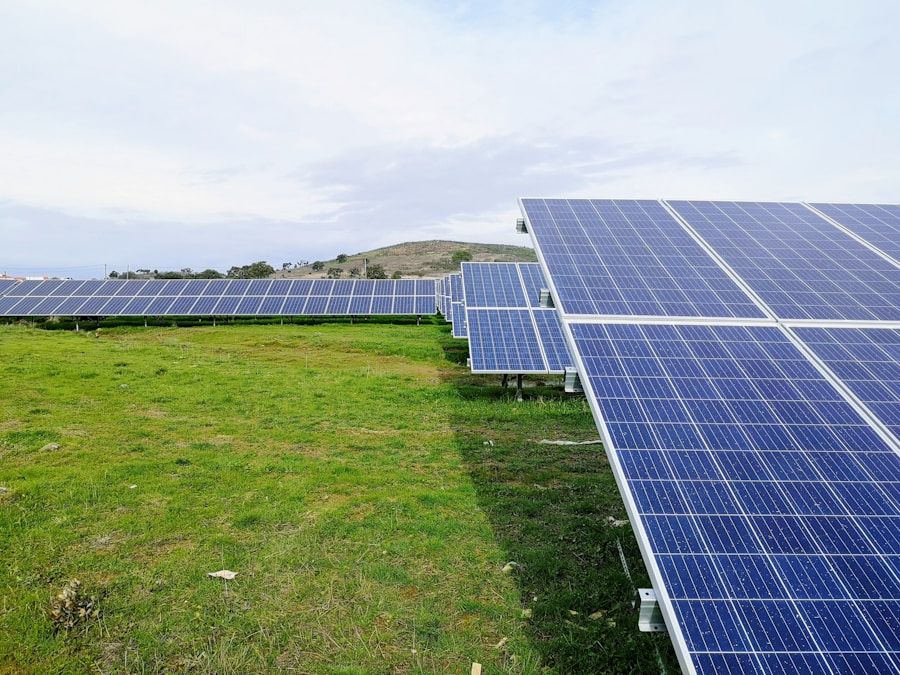
Green energy incentives are government or utility-based programs that offer financial benefits to individuals or businesses who invest in renewable energy sources or energy-efficient technologies. These incentives are designed to encourage the adoption of green energy practices and reduce reliance on fossil fuels, ultimately leading to a more sustainable and environmentally friendly energy landscape. Green energy incentives can come in various forms, including tax credits, rebates, grants, and low-interest loans. By taking advantage of these incentives, individuals and businesses can not only reduce their carbon footprint but also save money on energy costs in the long run.
In recent years, there has been a growing emphasis on the importance of transitioning to green energy sources to combat climate change and reduce environmental impact. As a result, governments around the world have introduced a range of incentives to promote the adoption of renewable energy technologies such as solar panels, wind turbines, and energy-efficient appliances. These incentives are often part of broader energy policies aimed at achieving specific targets for renewable energy generation and reducing greenhouse gas emissions. Understanding the various green energy incentives available in your region is crucial for making informed decisions about investing in sustainable energy solutions. If you want to compare cheap energy deals, it only takes a few minutes.
One of the primary benefits of green energy incentives is the financial savings they offer to individuals and businesses. By taking advantage of tax credits, rebates, and other incentives, the upfront costs of investing in renewable energy technologies or energy-efficient upgrades can be significantly reduced. This makes green energy solutions more accessible and affordable, ultimately leading to long-term cost savings on energy bills. In addition to direct financial incentives, investing in green energy can also increase the value of a property or business, making it a sound financial investment in the long run.
Furthermore, green energy incentives can stimulate economic growth by creating jobs in the renewable energy sector and driving innovation in clean energy technologies. As more individuals and businesses adopt green energy solutions, there is a growing demand for skilled workers in areas such as solar panel installation, wind turbine maintenance, and energy-efficient building design. This not only creates employment opportunities but also contributes to the development of a more sustainable and resilient economy. Overall, the financial benefits of green energy incentives extend beyond individual savings to encompass broader economic and societal advantages. You can also find cheaper energy to see what’s available.
Tax credits and rebates are among the most common forms of green energy incentives offered by governments and utilities. These incentives provide financial relief to individuals and businesses that invest in renewable energy technologies or make energy-efficient upgrades to their properties. Tax credits allow taxpayers to subtract a certain amount from the taxes they owe to the government, while rebates provide direct cash back for qualifying purchases or installations. Both forms of incentives can significantly reduce the upfront costs of green energy investments, making them more accessible to a wider range of consumers.
In many countries, tax credits are available for investments in solar panels, wind turbines, geothermal heat pumps, and other renewable energy systems. These credits can cover a percentage of the total cost of the system, making it more affordable for homeowners and businesses to transition to clean energy sources. Similarly, rebates are often offered for energy-efficient appliances, lighting, insulation, and heating/cooling systems, encouraging consumers to make environmentally friendly choices in their everyday lives. By taking advantage of these incentives, individuals and businesses can not only save money but also contribute to reducing carbon emissions and mitigating climate change.
One of the most immediate benefits of green energy incentives is the potential for significant savings on energy bills. By investing in renewable energy technologies such as solar panels or wind turbines, individuals and businesses can generate their own clean electricity and reduce their reliance on grid-supplied power. This can lead to substantial reductions in monthly electricity bills, especially in regions with abundant sunlight or wind resources. Additionally, energy-efficient upgrades such as LED lighting, smart thermostats, and high-efficiency appliances can lower overall energy consumption and further contribute to cost savings.
Moreover, some green energy incentives offer net metering programs that allow consumers to sell excess electricity generated by their renewable energy systems back to the grid. This can result in further financial benefits by offsetting electricity costs or even generating additional income for the system owner. In some cases, homeowners or businesses may even qualify for feed-in tariffs, where they receive payments for the renewable electricity they generate. Overall, taking advantage of green energy incentives can lead to substantial savings on energy bills over time, making it a financially attractive option for many consumers.
In addition to immediate savings on energy bills, green energy incentives offer long-term cost savings through reduced maintenance and operational expenses. Renewable energy technologies such as solar panels and wind turbines have minimal moving parts and require little maintenance compared to traditional fossil fuel-based power generation systems. This means that once installed, these systems can continue to generate clean electricity for decades with minimal upkeep costs. Similarly, energy-efficient upgrades such as insulation, efficient heating/cooling systems, and LED lighting can lead to lower ongoing operational expenses by reducing overall energy consumption.
Furthermore, investing in green energy technologies can protect consumers from future fluctuations in fossil fuel prices and utility rates. As the cost of traditional energy sources continues to rise, renewable energy becomes increasingly cost-competitive and provides a stable long-term investment. By locking in lower electricity costs through solar panels or wind turbines, individuals and businesses can shield themselves from unpredictable price increases and enjoy greater financial stability over time. Overall, the long-term cost savings associated with green energy incentives make them an attractive option for those looking to reduce their environmental impact while also saving money.
Beyond financial savings, green energy incentives offer significant environmental benefits by reducing carbon emissions and mitigating climate change. By transitioning to renewable energy sources such as solar, wind, hydroelectric, and geothermal power, individuals and businesses can significantly lower their carbon footprint and contribute to global efforts to combat climate change. Renewable energy technologies produce electricity without emitting greenhouse gases or other harmful pollutants, making them a cleaner and more sustainable alternative to fossil fuels.
Additionally, investing in energy-efficient upgrades can lead to reduced overall energy consumption, further lowering environmental impact. By using less electricity for heating, cooling, lighting, and appliances, consumers can decrease their reliance on fossil fuel-based power generation and reduce emissions associated with electricity production. This not only benefits the environment but also improves air quality and public health by reducing pollution from power plants. Overall, green energy incentives play a crucial role in promoting environmentally friendly practices and driving the transition towards a more sustainable and resilient energy system.
To take advantage of green energy incentives, individuals and businesses should first research the various programs available in their region. This may involve consulting government websites, utility providers, or local environmental organizations to identify eligible incentives for renewable energy technologies or energy-efficient upgrades. It is important to understand the specific requirements and application processes for each incentive program to ensure compliance and maximize financial benefits.
Once potential incentives have been identified, consumers should consider consulting with qualified professionals such as solar installers or energy auditors to assess their property’s suitability for green energy investments. These experts can provide valuable insights into the most cost-effective solutions for reducing energy consumption and generating clean electricity. Additionally, they can help navigate the application process for incentive programs and ensure that all necessary documentation is submitted accurately.
Finally, individuals and businesses should carefully evaluate the financial implications of green energy investments by considering upfront costs, potential savings on energy bills, available incentives, and long-term cost savings. By conducting a thorough cost-benefit analysis, consumers can make informed decisions about which green energy solutions best align with their financial goals and environmental values. Overall, taking advantage of green energy incentives requires careful planning and consideration but can lead to significant financial and environmental benefits in the long run.
In conclusion, green energy incentives offer a range of financial and environmental benefits to individuals and businesses looking to invest in renewable energy technologies or make energy-efficient upgrades. By understanding the various incentive programs available in their region and carefully evaluating the potential savings on energy bills and long-term cost benefits, consumers can make informed decisions about transitioning to clean energy sources. Ultimately, taking advantage of green energy incentives not only leads to financial savings but also contributes to reducing carbon emissions and mitigating climate change on a global scale. As governments continue to prioritise sustainable energy policies and utilities expand their support for renewable technologies, there has never been a better time to explore the opportunities offered by green energy incentives.

Understanding your energy usage is the first step towards making significant savings on your energy bills. By knowing how much energy you are using and where it is being used, you can identify areas where you can make changes to reduce your consumption. One way to do this is by using a smart energy monitor, which can provide real-time information on your energy usage. This can help you to identify any appliances or devices that are using more energy than necessary, allowing you to make changes to reduce your consumption.
Another way to understand your energy usage is by looking at your energy bills. By analysing your bills, you can see how much energy you are using each month and how this compares to previous months. This can help you to identify any patterns in your energy usage and make changes accordingly. For example, if you notice that your energy usage increases during the winter months, you may want to focus on maximising your heating efficiency to reduce your consumption. If you want to compare cheap energy deals, it only takes a few minutes.
There are a number of simple changes that you can make to your daily routine that can lead to big savings on your energy bills. One of the easiest changes to make is to switch off lights and appliances when they are not in use. This may seem like a small change, but over time it can lead to significant savings on your energy bills. Another simple change is to use energy-efficient light bulbs, which use less energy than traditional incandescent bulbs and can last up to 25 times longer.
Another simple change that can lead to big savings is to unplug devices when they are not in use. Many appliances and devices continue to use energy even when they are switched off, so by unplugging them when they are not in use, you can reduce your energy consumption. Additionally, making small changes to your heating and cooling habits, such as turning down the thermostat by just a few degrees or using a programmable thermostat, can also lead to big savings on your energy bills. You can also find cheaper energy to see what’s available.
Heating and cooling are two of the biggest contributors to household energy consumption, so maximising their efficiency can lead to significant savings on your energy bills. One way to maximise your heating efficiency is by ensuring that your home is well insulated. This can help to prevent heat from escaping, reducing the amount of energy needed to keep your home warm. Additionally, sealing any drafts around windows and doors can also help to improve the efficiency of your heating system.
When it comes to cooling, one simple way to maximise efficiency is by using ceiling fans to circulate air, which can help to reduce the need for air conditioning. Additionally, using curtains or blinds to block out the sun during the hottest parts of the day can also help to keep your home cool without relying on air conditioning. Another way to maximise cooling efficiency is by ensuring that your air conditioning system is well maintained, as a well-maintained system will operate more efficiently and use less energy.
Household appliances are another major contributor to energy consumption, so making the most of them can lead to significant savings on your energy bills. One way to make the most of your appliances is by choosing energy-efficient models when it comes time to replace them. Energy-efficient appliances use less energy than traditional models, leading to lower energy bills. Additionally, using appliances efficiently, such as only running the dishwasher or washing machine when they are full, can also lead to savings on your energy bills.
Another way to make the most of your appliances is by ensuring that they are well maintained. Regular maintenance can help to ensure that your appliances are operating at their most efficient, reducing their energy consumption. Additionally, using appliances at off-peak times, such as running the dishwasher or washing machine during the evening when energy demand is lower, can also lead to savings on your energy bills.
Lighting is another area where simple changes can lead to big savings on your energy bills. One of the easiest changes to make is to switch to energy-efficient light bulbs, such as LED bulbs. LED bulbs use up to 80% less energy than traditional incandescent bulbs and can last up to 25 times longer, leading to significant savings on your energy bills over time. Additionally, using natural light whenever possible can also help to reduce your reliance on artificial lighting.
Another way to light up your savings is by using motion sensors or timers for outdoor lighting. This can help to ensure that outdoor lights are only on when they are needed, reducing their energy consumption. Additionally, using dimmer switches for indoor lighting can also help to reduce energy usage, as dimming the lights uses less energy than having them at full brightness.
Harnessing the power of renewable energy is another way to make significant savings on your energy bills. One way to do this is by installing solar panels on your property. Solar panels can generate electricity from sunlight, reducing your reliance on grid electricity and leading to savings on your energy bills. Additionally, some governments offer incentives for installing solar panels, such as feed-in tariffs for excess electricity generated.
Another way to harness the power of renewable energy is by using a wind turbine. Wind turbines can generate electricity from wind power, further reducing your reliance on grid electricity and leading to savings on your energy bills. Additionally, using renewable energy sources such as solar or wind power can help to reduce your carbon footprint and contribute towards a more sustainable future.
Monitoring and managing your energy consumption is essential for making long-term savings on your energy bills. One way to do this is by using a smart meter, which can provide real-time information on your energy usage and help you to identify areas where you can make changes to reduce your consumption. Additionally, some smart meters offer features such as time-of-use pricing, which can help you to save money by using electricity during off-peak times.
Another way to monitor and manage your energy consumption is by using a home energy management system. These systems can provide detailed information on your energy usage and offer suggestions for making changes to reduce your consumption. Additionally, some systems offer features such as remote control of appliances or devices, allowing you to manage your energy usage even when you are not at home.
In conclusion, there are many ways that you can make significant savings on your energy bills by understanding and managing your energy usage. By making simple changes to your daily routine, maximising the efficiency of your heating and cooling systems, making the most of your appliances, lighting up your savings, harnessing the power of renewable energy, and monitoring and managing your energy consumption, you can reduce your energy bills and contribute towards a more sustainable future. By taking these steps, you can make a positive impact on both your wallet and the environment.