Understanding your energy usage is the first step towards making significant savings on your energy bills. By knowing how much energy you are using and where it is being used, you can identify areas where you can make changes to reduce your consumption. One way to do this is by using a smart energy monitor, which can provide real-time information on your energy usage. This can help you to identify any appliances or devices that are using more energy than necessary, allowing you to make changes to reduce your consumption.

Another way to understand your energy usage is by looking at your energy bills. By analysing your bills, you can see how much energy you are using each month and how this compares to previous months. This can help you to identify any patterns in your energy usage and make changes accordingly. For example, if you notice that your energy usage increases during the winter months, you may want to focus on maximising your heating efficiency to reduce your consumption.

Simple Changes for Big Savings

There are a number of simple changes that you can make to your daily routine that can lead to big savings on your energy bills. One of the easiest changes to make is to switch off lights and appliances when they are not in use. This may seem like a small change, but over time it can lead to significant savings on your energy bills. Another simple change is to use energy-efficient light bulbs, which use less energy than traditional incandescent bulbs and can last up to 25 times longer.

Another simple change that can lead to big savings is to unplug devices when they are not in use. Many appliances and devices continue to use energy even when they are switched off, so by unplugging them when they are not in use, you can reduce your energy consumption. Additionally, making small changes to your heating and cooling habits, such as turning down the thermostat by just a few degrees or using a programmable thermostat, can also lead to big savings on your energy bills.

Maximising Your Heating and Cooling Efficiency

Heating and cooling are two of the biggest contributors to household energy consumption, so maximising their efficiency can lead to significant savings on your energy bills. One way to maximise your heating efficiency is by ensuring that your home is well insulated. This can help to prevent heat from escaping, reducing the amount of energy needed to keep your home warm. Additionally, sealing any drafts around windows and doors can also help to improve the efficiency of your heating system.

When it comes to cooling, one simple way to maximise efficiency is by using ceiling fans to circulate air, which can help to reduce the need for air conditioning. Additionally, using curtains or blinds to block out the sun during the hottest parts of the day can also help to keep your home cool without relying on air conditioning. Another way to maximise cooling efficiency is by ensuring that your air conditioning system is well maintained, as a well-maintained system will operate more efficiently and use less energy.

Making the Most of Your Appliances

Household appliances are another major contributor to energy consumption, so making the most of them can lead to significant savings on your energy bills. One way to make the most of your appliances is by choosing energy-efficient models when it comes time to replace them. Energy-efficient appliances use less energy than traditional models, leading to lower energy bills. Additionally, using appliances efficiently, such as only running the dishwasher or washing machine when they are full, can also lead to savings on your energy bills.

Another way to make the most of your appliances is by ensuring that they are well maintained. Regular maintenance can help to ensure that your appliances are operating at their most efficient, reducing their energy consumption. Additionally, using appliances at off-peak times, such as running the dishwasher or washing machine during the evening when energy demand is lower, can also lead to savings on your energy bills.

Lighting Up Your Savings

Lighting is another area where simple changes can lead to big savings on your energy bills. One of the easiest changes to make is to switch to energy-efficient light bulbs, such as LED bulbs. LED bulbs use up to 80% less energy than traditional incandescent bulbs and can last up to 25 times longer, leading to significant savings on your energy bills over time. Additionally, using natural light whenever possible can also help to reduce your reliance on artificial lighting.

Another way to light up your savings is by using motion sensors or timers for outdoor lighting. This can help to ensure that outdoor lights are only on when they are needed, reducing their energy consumption. Additionally, using dimmer switches for indoor lighting can also help to reduce energy usage, as dimming the lights uses less energy than having them at full brightness.

Harnessing the Power of Renewable Energy

Harnessing the power of renewable energy is another way to make significant savings on your energy bills. One way to do this is by installing solar panels on your property. Solar panels can generate electricity from sunlight, reducing your reliance on grid electricity and leading to savings on your energy bills. Additionally, some governments offer incentives for installing solar panels, such as feed-in tariffs for excess electricity generated.

Another way to harness the power of renewable energy is by using a wind turbine. Wind turbines can generate electricity from wind power, further reducing your reliance on grid electricity and leading to savings on your energy bills. Additionally, using renewable energy sources such as solar or wind power can help to reduce your carbon footprint and contribute towards a more sustainable future.

Monitoring and Managing Your Energy Consumption

Monitoring and managing your energy consumption is essential for making long-term savings on your energy bills. One way to do this is by using a smart meter, which can provide real-time information on your energy usage and help you to identify areas where you can make changes to reduce your consumption. Additionally, some smart meters offer features such as time-of-use pricing, which can help you to save money by using electricity during off-peak times.

Another way to monitor and manage your energy consumption is by using a home energy management system. These systems can provide detailed information on your energy usage and offer suggestions for making changes to reduce your consumption. Additionally, some systems offer features such as remote control of appliances or devices, allowing you to manage your energy usage even when you are not at home.

In conclusion, there are many ways that you can make significant savings on your energy bills by understanding and managing your energy usage. By making simple changes to your daily routine, maximising the efficiency of your heating and cooling systems, making the most of your appliances, lighting up your savings, harnessing the power of renewable energy, and monitoring and managing your energy consumption, you can reduce your energy bills and contribute towards a more sustainable future. By taking these steps, you can make a positive impact on both your wallet and the environment.

Understanding your energy usage is the first step in managing and reducing your energy bills. It’s important to know how much energy you are using and where it is being used. This can help you identify areas where you can make changes to reduce your energy consumption. One way to do this is by using a smart meter, which can provide real-time information about your energy usage. You can also look at your energy bills to see how much energy you are using each month and which appliances are using the most energy.

Another way to understand your energy usage is by conducting an energy audit. This involves going through your home and identifying areas where energy is being wasted. This could include things like drafty windows, inefficient appliances, or poor insulation. By understanding your energy usage, you can make informed decisions about how to reduce it and save money on your energy bills.

Comparing Energy Suppliers

Once you understand your energy usage, it’s important to compare energy suppliers to make sure you are getting the best deal. Different suppliers offer different rates and tariffs, so it’s important to shop around and find the best option for your needs. You can use price comparison websites to compare the different tariffs available and see which one offers the best value for money. It’s also worth considering factors like customer service and green credentials when choosing an energy supplier.

When comparing energy suppliers, it’s important to look beyond just the price. You should also consider the length of the contract, any exit fees, and whether the supplier offers any additional benefits or incentives. By comparing energy suppliers, you can ensure that you are getting the best deal and potentially save money on your energy bills.

Implementing Energy-Saving Practices

Implementing energy-saving practices is a great way to reduce your energy usage and save money on your bills. There are many simple changes you can make to your daily routine that can have a big impact on your energy consumption. For example, turning off lights and appliances when they are not in use, using energy-efficient light bulbs, and adjusting your thermostat can all help to reduce your energy usage.

You can also make larger changes to your home to improve its energy efficiency. This could include things like installing double glazing, adding insulation, or upgrading to more energy-efficient appliances. By implementing energy-saving practices, you can reduce your energy bills and lower your carbon footprint.

Taking Advantage of Government Schemes

There are a number of government schemes and incentives available to help you save money on your energy bills. For example, the Green Homes Grant scheme offers vouchers to help homeowners make their homes more energy-efficient. This could include things like installing insulation, upgrading heating systems, or replacing windows and doors. By taking advantage of government schemes, you can make improvements to your home that will help you save money on your energy bills in the long run.

Another government scheme to consider is the Warm Home Discount scheme, which provides a one-off discount on your electricity bill during the winter months. This is available to low-income households and those receiving certain benefits. By taking advantage of government schemes, you can reduce your energy bills and make your home more comfortable and efficient.

Monitoring Your Energy Usage

Monitoring your energy usage is an important part of managing your energy bills. By keeping track of how much energy you are using, you can identify any changes or trends that could indicate areas where you can make improvements. This could involve using a smart meter to monitor your energy usage in real-time, or simply keeping an eye on your energy bills each month.

By monitoring your energy usage, you can also identify any unusual spikes in usage that could indicate a problem with an appliance or system in your home. This can help you address issues quickly and prevent them from causing a significant increase in your energy bills.

Seeking Professional Advice

If you are struggling to manage your energy bills, it may be worth seeking professional advice. There are a number of organisations and professionals who can provide advice and support on how to reduce your energy usage and save money on your bills. This could include things like energy advisors, who can provide personalised advice on how to make your home more energy-efficient.

You could also consider hiring a professional to conduct an energy audit of your home. This involves a thorough assessment of your home’s energy usage and can help identify areas where you can make improvements. By seeking professional advice, you can get tailored support on how to reduce your energy bills and make your home more efficient.

Managing Your Budget for Energy Bills

Managing your budget for energy bills is an important part of keeping on top of your household finances. By setting a budget for your energy bills, you can ensure that you have enough money set aside each month to cover the cost of your energy usage. This can help prevent any unexpected surprises when it comes to paying your bills.

One way to manage your budget for energy bills is by setting up a direct debit payment with your energy supplier. This allows you to spread the cost of your bills evenly throughout the year, making it easier to budget for them. You could also consider using a budgeting tool or app to help keep track of your energy spending and ensure that you are staying within your budget.

In conclusion, understanding and managing your energy usage is an important part of keeping on top of your household finances. By comparing energy suppliers, implementing energy-saving practices, taking advantage of government schemes, monitoring your energy usage, seeking professional advice, and managing your budget for energy bills, you can reduce your energy bills and make your home more efficient. By making small changes to how you use and manage energy in your home, you can save money and reduce your carbon footprint at the same time.

The UK energy market is a complex and dynamic industry that plays a crucial role in powering the country’s homes, businesses, and infrastructure. The market is made up of a diverse range of energy providers, each offering different services and products to meet the needs of consumers. From traditional gas and electricity suppliers to innovative renewable energy companies, the UK energy market is constantly evolving to meet the demands of a changing world. With a focus on sustainability, efficiency, and affordability, the UK energy market is at the forefront of global energy innovation.

The UK energy market is regulated by the Office of Gas and Electricity Markets (Ofgem), which oversees the operation of the market and ensures fair competition among energy providers. Ofgem also works to protect the interests of consumers by promoting transparency, affordability, and sustainability within the energy market. As a result, the UK energy market is highly competitive, with a wide range of options available to consumers looking for gas and electricity services. With a focus on innovation and sustainability, the UK energy market is well positioned to meet the challenges of the future and provide reliable, affordable energy to consumers across the country.

British Gas: Leading the Way in Gas and Electricity

British Gas is one of the leading energy providers in the UK, offering a wide range of gas and electricity services to consumers and businesses. With a focus on innovation and sustainability, British Gas is committed to providing reliable, affordable energy solutions to its customers. The company offers a range of products and services, including gas and electricity supply, boiler installation and maintenance, smart home technology, and energy efficiency solutions. With a strong focus on customer service and satisfaction, British Gas is dedicated to meeting the needs of its customers and providing them with the best possible energy solutions.

In addition to its traditional gas and electricity services, British Gas is also investing in renewable energy sources, such as wind and solar power, to help reduce its carbon footprint and promote sustainability. The company is also working to develop innovative new technologies, such as smart meters and energy management systems, to help consumers better understand and manage their energy usage. With a strong commitment to sustainability and innovation, British Gas is leading the way in the UK energy market and setting an example for other providers to follow.

EDF Energy: Providing Sustainable Energy Solutions

EDF Energy is a leading energy provider in the UK, offering a wide range of sustainable energy solutions to consumers and businesses. With a focus on renewable energy sources, such as wind, solar, and hydro power, EDF Energy is committed to reducing its carbon footprint and promoting sustainability within the energy market. The company offers a range of products and services, including gas and electricity supply, energy efficiency solutions, smart home technology, and electric vehicle charging infrastructure. With a strong focus on innovation and sustainability, EDF Energy is dedicated to providing its customers with reliable, affordable energy solutions that are good for the environment.

In addition to its commitment to renewable energy sources, EDF Energy is also investing in new technologies, such as smart grids and energy storage systems, to help improve the efficiency and reliability of its energy services. The company is also working to develop innovative new products, such as smart meters and energy management systems, to help consumers better understand and manage their energy usage. With a strong focus on sustainability and innovation, EDF Energy is at the forefront of the UK energy market and is leading the way in providing sustainable energy solutions to its customers.

Scottish Power: Harnessing Renewable Energy Sources

Scottish Power is a leading energy provider in the UK, with a strong focus on harnessing renewable energy sources to power its services. The company is committed to reducing its carbon footprint and promoting sustainability within the energy market by investing in wind, solar, and hydro power generation. Scottish Power offers a range of products and services, including gas and electricity supply, renewable energy tariffs, energy efficiency solutions, and electric vehicle charging infrastructure. With a strong commitment to sustainability and innovation, Scottish Power is dedicated to providing its customers with reliable, affordable energy solutions that are good for the environment.

In addition to its renewable energy generation, Scottish Power is also investing in new technologies, such as smart grids and energy storage systems, to help improve the efficiency and reliability of its energy services. The company is also working to develop innovative new products, such as smart meters and energy management systems, to help consumers better understand and manage their energy usage. With a strong focus on sustainability and innovation, Scottish Power is at the forefront of the UK energy market and is leading the way in providing renewable energy solutions to its customers.

SSE: A Diverse Portfolio of Energy Services

SSE is one of the largest energy providers in the UK, offering a diverse portfolio of gas and electricity services to consumers and businesses. The company operates across the entire energy value chain, from generation and distribution to supply and retail services. SSE offers a wide range of products and services, including gas and electricity supply, renewable energy tariffs, energy efficiency solutions, smart home technology, electric vehicle charging infrastructure, and heating services. With a strong focus on customer service and satisfaction, SSE is dedicated to meeting the needs of its customers and providing them with reliable, affordable energy solutions.

In addition to its traditional gas and electricity services, SSE is also investing in renewable energy sources, such as wind and hydro power generation, to help reduce its carbon footprint and promote sustainability within the energy market. The company is also working to develop innovative new technologies, such as smart meters and energy management systems, to help consumers better understand and manage their energy usage. With a strong commitment to sustainability and innovation, SSE is at the forefront of the UK energy market and is leading the way in providing diverse energy services to its customers.

Shell Energy: Innovating in the UK Energy Sector

Shell Energy is a leading energy provider in the UK, with a strong focus on innovation and sustainability within the energy sector. The company offers a wide range of products and services, including gas and electricity supply, renewable energy tariffs, smart home technology, electric vehicle charging infrastructure, heating services, and home insulation solutions. With a strong commitment to customer service and satisfaction, Shell Energy is dedicated to meeting the needs of its customers and providing them with reliable, affordable energy solutions.

In addition to its traditional gas and electricity services, Shell Energy is also investing in renewable energy sources, such as wind and solar power generation, to help reduce its carbon footprint and promote sustainability within the energy market. The company is also working to develop innovative new technologies, such as smart meters and energy management systems, to help consumers better understand and manage their energy usage. With a strong focus on sustainability and innovation, Shell Energy is at the forefront of the UK energy market and is leading the way in providing innovative energy solutions to its customers.

Octopus Energy: Disrupting the Market with Renewable Energy Options

Octopus Energy is an innovative new entrant into the UK energy market that is disrupting traditional models with its focus on renewable energy options. The company offers a range of products and services that are designed to provide consumers with affordable access to sustainable power sources. Octopus Energy’s offerings include gas and electricity supply from renewable sources such as wind and solar power generation. In addition to this, Octopus Energy provides customers with smart home technology options that allow for greater control over their energy usage.

Octopus Energy’s commitment to sustainability extends beyond just its product offerings; it also invests in innovative technologies such as smart meters that enable consumers to better understand their own consumption patterns. This level of transparency empowers customers to make informed decisions about their own usage habits. Octopus Energy’s disruptive approach has seen it rapidly gain market share in recent years as more consumers seek out sustainable options for their gas and electricity needs.

In conclusion, the UK’s energy market is a diverse landscape that offers consumers a wide range of options for their gas and electricity needs. From traditional providers such as British Gas to innovative disruptors like Octopus Energy, there are numerous choices available for those seeking sustainable solutions for their power requirements. As the industry continues to evolve in response to changing consumer demands for more sustainable options, it’s clear that there are exciting times ahead for the UK’s energy market.

When it comes to positive customer experiences with energy suppliers, there are a few key factors that stand out. Firstly, many customers report excellent customer service from their energy suppliers. Whether it’s a quick response to a query or a friendly and helpful attitude, good customer service can make all the difference. Additionally, customers appreciate when their energy supplier offers competitive pricing and transparent billing. Knowing exactly what they are paying for and feeling like they are getting value for money is important to customers. Finally, many customers have positive experiences with energy suppliers who offer renewable energy options. Being able to choose green energy sources can make customers feel like they are making a positive impact on the environment, which is a big selling point for many.

Another aspect of positive customer experiences with energy suppliers is the ease of switching providers. Many customers report a smooth and hassle-free transition when switching to a new energy supplier. This can include a seamless online sign-up process, clear communication throughout the switch, and minimal disruption to their energy supply. Additionally, customers appreciate when their energy supplier offers flexible payment options, such as direct debit or online billing. This makes it easier for customers to manage their energy bills and can contribute to a positive overall experience with their supplier. Finally, many customers have positive experiences with energy suppliers who offer additional perks or rewards, such as loyalty discounts or referral bonuses. Feeling appreciated and valued as a customer can go a long way in creating a positive experience with an energy supplier.

The Bad: Negative Customer Experiences with Energy Suppliers

Unfortunately, not all customer experiences with energy suppliers are positive. Many customers report negative experiences with their energy suppliers, often citing poor customer service as a major issue. This can include long wait times on the phone, unhelpful or rude staff, and difficulty getting issues resolved in a timely manner. Poor communication from the energy supplier can also contribute to a negative experience, such as unclear billing or unexpected changes to pricing or terms of service. Additionally, many customers report feeling frustrated by hidden fees or unexpected charges on their energy bills, which can lead to a lack of trust in their supplier.

Another common issue that leads to negative customer experiences with energy suppliers is unreliable service. This can include frequent power outages or fluctuations in energy supply, which can be particularly frustrating for customers who rely on a consistent energy source for their business or personal needs. Additionally, customers may experience issues with inaccurate meter readings or billing errors, leading to confusion and frustration when trying to resolve these issues with their supplier. Finally, many customers report feeling dissatisfied with the lack of flexibility in payment options offered by their energy supplier, such as being unable to set up a payment plan or struggling to access online billing services.

The Ugly: Horrible Customer Experiences with Energy Suppliers

In some cases, customer experiences with energy suppliers can go beyond just being negative and become truly horrible. One of the most common issues that leads to horrible customer experiences is poor response to emergencies or urgent issues. Customers who experience power outages or other urgent problems may find it difficult to get in touch with their energy supplier or receive timely assistance, leading to frustration and even safety concerns. Additionally, some customers report feeling mistreated or discriminated against by their energy supplier, particularly in cases where they are struggling to pay their bills or facing financial hardship. This can lead to feelings of helplessness and unfair treatment, creating a truly horrible experience for the customer.

Another aspect of horrible customer experiences with energy suppliers is the impact on vulnerable customers, such as the elderly or those with disabilities. Customers who rely on consistent and reliable energy supply for medical equipment or other essential needs may find themselves in dire situations when faced with unreliable service or unhelpful customer support. This can lead to feelings of fear and anxiety, as well as a lack of trust in their energy supplier to provide the necessary support and assistance. Finally, some customers report feeling completely ignored or dismissed by their energy supplier when trying to resolve issues or voice concerns, leading to a sense of powerlessness and frustration.

Customer Satisfaction: What Makes a Good Energy Supplier

When it comes to customer satisfaction with energy suppliers, there are several key factors that contribute to a positive experience. Firstly, good customer service is essential for creating satisfied customers. This includes responsive and helpful support staff, clear communication, and a willingness to go above and beyond to assist customers with any issues or queries. Additionally, competitive pricing and transparent billing are important for customer satisfaction, as customers want to feel like they are getting value for money and understand exactly what they are paying for. Offering renewable energy options is also a big selling point for many customers, as it allows them to make a positive impact on the environment while meeting their energy needs.

Another aspect of customer satisfaction with energy suppliers is the ease of switching providers. A good energy supplier will make the transition as smooth and hassle-free as possible for customers, with clear communication and minimal disruption to their energy supply. Flexible payment options, such as direct debit or online billing, also contribute to customer satisfaction by making it easier for customers to manage their energy bills. Finally, offering additional perks or rewards, such as loyalty discounts or referral bonuses, can make customers feel appreciated and valued by their energy supplier.

Customer Dissatisfaction: Common Issues with Energy Suppliers

On the flip side, there are several common issues that lead to customer dissatisfaction with energy suppliers. Poor customer service is one of the biggest contributors to dissatisfaction, including long wait times on the phone, unhelpful staff, and difficulty getting issues resolved in a timely manner. Additionally, poor communication from the energy supplier can lead to confusion and frustration for customers, particularly when it comes to billing or changes to pricing or terms of service. Hidden fees or unexpected charges on energy bills are also a major source of dissatisfaction for many customers, leading to a lack of trust in their supplier.

Unreliable service is another common issue that leads to customer dissatisfaction with energy suppliers. This can include frequent power outages or fluctuations in energy supply, which can be particularly frustrating for customers who rely on consistent energy for their business or personal needs. Inaccurate meter readings or billing errors can also lead to dissatisfaction and confusion for customers when trying to resolve these issues with their supplier. Finally, inflexible payment options can contribute to dissatisfaction among customers who struggle to manage their energy bills.

Tips for Choosing the Right Energy Supplier

When it comes to choosing the right energy supplier, there are several key factors to consider. Firstly, it’s important to research different suppliers and compare their pricing and billing options. Look for transparent pricing and flexible payment options that suit your needs. Additionally, consider the level of customer service offered by each supplier, including responsiveness and helpfulness when dealing with queries or issues. It’s also worth considering whether the supplier offers renewable energy options if this is important to you.

Another tip for choosing the right energy supplier is to look for reviews and recommendations from other customers. This can give you an insight into the experiences of real customers and help you make an informed decision about which supplier is right for you. Consider the ease of switching providers and any additional perks or rewards offered by each supplier, such as loyalty discounts or referral bonuses. Finally, don’t be afraid to ask questions and seek clarification from potential suppliers before making a decision.

The Future of Customer Experiences with Energy Suppliers

Looking ahead, the future of customer experiences with energy suppliers is likely to be shaped by advancements in technology and an increased focus on sustainability. As more consumers seek out renewable energy options, we can expect to see an increase in the availability and affordability of green energy sources from suppliers. This will not only benefit the environment but also provide more choice and satisfaction for customers who want to make a positive impact through their energy consumption.

Additionally, advancements in smart metering technology and digital platforms are likely to improve the overall customer experience with energy suppliers. This could include more accurate billing, real-time usage data, and easier access to account information through online portals or mobile apps. These technological advancements have the potential to streamline processes and improve communication between suppliers and customers, leading to greater satisfaction and trust in the industry.

Overall, while there are certainly challenges and areas for improvement in the customer experience with energy suppliers, there are also many opportunities for positive change in the future. By prioritising good customer service, transparent pricing, renewable energy options, and technological advancements, energy suppliers have the potential to create more satisfied and loyal customers in the years ahead.

Energy tariffs and contracts can be confusing and overwhelming for many consumers. It’s important to understand the different types of energy tariffs and contracts available in order to make an informed decision about which one is best for your needs. There are several different types of energy tariffs, including fixed-rate tariffs, variable-rate tariffs, and dual-fuel tariffs. Fixed-rate tariffs offer a set price for your energy for a certain period of time, providing stability and predictability in your energy bills. Variable-rate tariffs, on the other hand, fluctuate with the market and can offer more flexibility but also more risk. Dual-fuel tariffs combine gas and electricity into one package, often offering discounts for bundling the two together.

When it comes to energy contracts, there are also different options to consider. Some contracts may have exit fees if you want to switch suppliers before the contract term is up, while others may offer more flexibility. It’s important to carefully read and understand the terms and conditions of any energy contract before signing up, to avoid any surprises down the line. By understanding the different types of energy tariffs and contracts available, consumers can make more informed decisions about their energy supply and potentially save money in the long run.

Understanding energy tariffs and contracts is crucial for consumers looking to make the most of their energy supply. With various options available, it’s important to carefully consider which type of tariff and contract is best suited to your individual needs. Fixed-rate tariffs offer stability and predictability in energy bills, while variable-rate tariffs provide more flexibility but also more risk. Dual-fuel tariffs can offer discounts for bundling gas and electricity together. When it comes to contracts, it’s important to carefully read and understand the terms and conditions, including any exit fees or penalties for switching suppliers before the contract term is up. By understanding the different options available, consumers can make more informed decisions about their energy supply and potentially save money in the long run.

Identifying the Best Time to Switch Energy Suppliers

Identifying the best time to switch energy suppliers can be a challenge, as there are many factors to consider. One key factor to consider is the current market rates for energy, as switching at a time when rates are low can result in significant savings. Keeping an eye on market trends and staying informed about energy prices can help consumers identify the best time to make a switch. Another factor to consider is the end of your current energy contract, as this may be a good time to explore other options and potentially switch suppliers. It’s important to be aware of any exit fees or penalties for switching before the end of your contract, as this can impact the cost-effectiveness of making a switch.

In addition to market rates and contract end dates, consumers should also consider any special offers or promotions that may be available from energy suppliers. Many suppliers offer incentives for switching, such as cashback or discounted rates for a certain period of time. Taking advantage of these offers can result in additional savings when making a switch. By carefully considering market rates, contract end dates, and special offers, consumers can identify the best time to switch energy suppliers and potentially save money on their energy bills.

Identifying the best time to switch energy suppliers requires careful consideration of several factors. Market rates for energy play a significant role in determining when it may be most cost-effective to make a switch. Keeping an eye on market trends and staying informed about energy prices can help consumers identify the best time to switch. Additionally, being aware of the end date of your current energy contract is important, as this may present an opportunity to explore other options and potentially switch suppliers. It’s also important to consider any special offers or promotions that may be available from energy suppliers, as these can provide additional incentives for making a switch. By carefully considering these factors, consumers can identify the best time to switch energy suppliers and potentially save money on their energy bills.

Factors to Consider Before Making the Switch

Before making the switch to a new energy supplier, there are several factors that consumers should consider. One key factor is the reputation and customer service of the new supplier. It’s important to research and read reviews about potential new suppliers to ensure that they have a good track record of customer satisfaction. Another factor to consider is the length of the new contract and any associated fees or penalties for early termination. Understanding the terms and conditions of the new contract is crucial in order to avoid any surprises down the line.

In addition to reputation and contract terms, consumers should also consider the potential savings that can be achieved by making a switch. Comparing energy deals from different suppliers can help consumers identify potential savings and make an informed decision about whether it’s worth making a switch. It’s also important to consider any additional benefits or incentives offered by potential new suppliers, such as renewable energy options or smart meter installations. By carefully considering these factors before making a switch, consumers can ensure that they are making the best decision for their individual needs.

Before making the switch to a new energy supplier, there are several important factors that consumers should consider. One key factor is the reputation and customer service of the new supplier, as it’s important to ensure that they have a good track record of customer satisfaction. Understanding the length of the new contract and any associated fees or penalties for early termination is also crucial in order to avoid any surprises down the line. In addition to reputation and contract terms, consumers should also consider the potential savings that can be achieved by making a switch. Comparing energy deals from different suppliers can help consumers identify potential savings and make an informed decision about whether it’s worth making a switch. It’s also important to consider any additional benefits or incentives offered by potential new suppliers, such as renewable energy options or smart meter installations. By carefully considering these factors before making a switch, consumers can ensure that they are making the best decision for their individual needs.

How to Compare Energy Deals and Find the Best Option

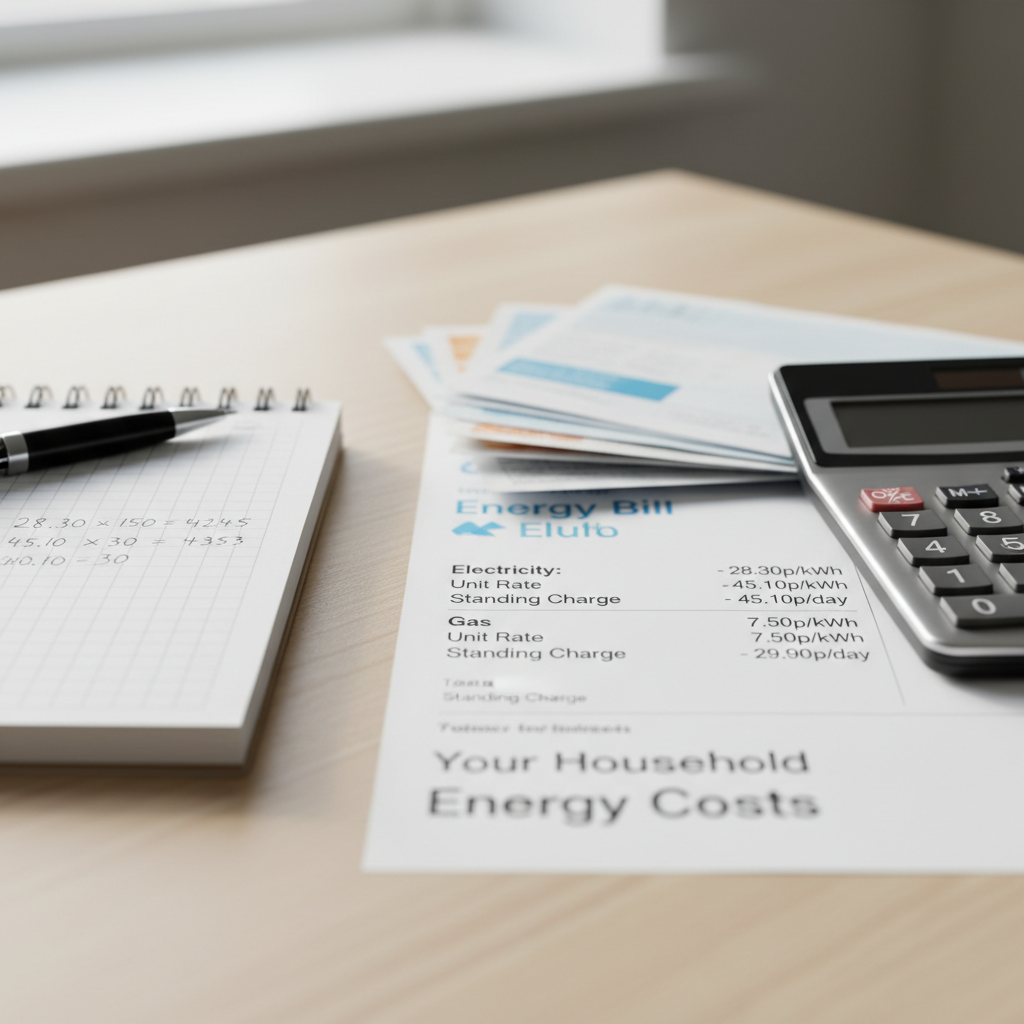
Comparing energy deals from different suppliers is an important step in finding the best option for your individual needs. There are several factors to consider when comparing energy deals, including the unit rate for gas and electricity, any standing charges, and any additional fees or penalties associated with the deal. It’s important to carefully compare these factors across different suppliers in order to identify potential savings and make an informed decision about which deal is best for you.

In addition to comparing rates and charges, consumers should also consider any additional benefits or incentives offered by potential new suppliers. Some suppliers may offer cashback or discounted rates for a certain period of time, while others may provide renewable energy options or smart meter installations. These additional benefits can add value to an energy deal and should be carefully considered when comparing options. By carefully comparing rates, charges, and additional benefits across different suppliers, consumers can find the best option for their individual needs and potentially save money on their energy bills.

Comparing energy deals from different suppliers is an important step in finding the best option for your individual needs. When comparing energy deals, it’s important to consider factors such as the unit rate for gas and electricity, any standing charges, and any additional fees or penalties associated with the deal. Carefully comparing these factors across different suppliers can help consumers identify potential savings and make an informed decision about which deal is best for them. In addition to comparing rates and charges, consumers should also consider any additional benefits or incentives offered by potential new suppliers. Some suppliers may offer cashback or discounted rates for a certain period of time, while others may provide renewable energy options or smart meter installations. By carefully comparing rates, charges, and additional benefits across different suppliers, consumers can find the best option for their individual needs and potentially save money on their energy bills.

The Importance of Timing in Maximising Savings

Timing plays a crucial role in maximising savings when switching energy suppliers. As mentioned earlier, identifying the best time to make a switch based on market rates can result in significant savings on energy bills. Additionally, taking advantage of special offers or promotions from potential new suppliers can also maximise savings when making a switch. By carefully timing a switch to coincide with low market rates or special offers from suppliers, consumers can maximise their potential savings.

Another important aspect of timing is being aware of any upcoming changes in your current energy contract or tariff. For example, if your current fixed-rate tariff is coming to an end, it may be a good time to explore other options and potentially make a switch. Being proactive and staying informed about changes in your current contract can help you maximise your potential savings when making a switch. By carefully considering timing based on market rates, special offers, and changes in your current contract, consumers can maximise their potential savings when switching energy suppliers.

Timing plays a crucial role in maximising savings when switching energy suppliers. Identifying the best time to make a switch based on market rates can result in significant savings on energy bills. Additionally, taking advantage of special offers or promotions from potential new suppliers can also maximise savings when making a switch. By carefully timing a switch to coincide with low market rates or special offers from suppliers, consumers can maximise their potential savings. Another important aspect of timing is being aware of any upcoming changes in your current energy contract or tariff. For example, if your current fixed-rate tariff is coming to an end, it may be a good time to explore other options and potentially make a switch. Being proactive and staying informed about changes in your current contract can help you maximise your potential savings when making a switch.

Navigating the Process of Switching Energy Suppliers

Navigating the process of switching energy suppliers may seem daunting at first, but with careful planning and consideration, it can be a relatively straightforward process. The first step is to research potential new suppliers and compare their offers in order to identify the best option for your individual needs. Once you have chosen a new supplier, you will need to contact them to initiate the switching process.

During this process, it’s important to provide accurate meter readings to both your current supplier and your new supplier in order to ensure a smooth transition between providers. It’s also important to be aware of any notice periods required by your current supplier before making a switch, as failing to adhere to these notice periods could result in additional fees or penalties. By carefully navigating the process of switching energy suppliers and staying informed about any requirements or deadlines, consumers can ensure a smooth transition between providers.

Navigating the process of switching energy suppliers may seem daunting at first, but with careful planning and consideration, it can be a relatively straightforward process. The first step is to research potential new suppliers and compare their offers in order to identify the best option for your individual needs. Once you have chosen a new supplier, you will need to contact them to initiate the switching process. During this process, it’s important to provide accurate meter readings to both your current supplier and your new supplier in order to ensure a smooth transition between providers. It’s also important to be aware of any notice periods required by your current supplier before making a switch, as failing to adhere to these notice periods could result in additional fees or penalties. By carefully navigating the process of switching energy suppliers and staying informed about any requirements or deadlines, consumers can ensure a smooth transition between providers.

Tips for Making a Smooth Transition to a New Energy Provider

Making a smooth transition to a new energy provider requires careful planning and consideration of several factors. One key tip is to ensure that you have all necessary information readily available when contacting your new supplier to initiate the switching process. This includes providing accurate meter readings and having details of your current energy tariff or contract on hand.

Another tip is to stay informed about any notice periods required by your current supplier before making a switch, as failing to adhere to these notice periods could result in additional fees or penalties. It’s also important to keep track of any correspondence with both your current supplier and your new supplier throughout the switching process in order to ensure that everything goes smoothly.

Finally, it’s important to monitor your first few bills from your new supplier closely in order to ensure that everything has been transferred correctly and that you are being charged accurately based on your new tariff or contract. By following these tips and staying informed throughout the switching process, consumers can make a smooth transition to a new energy provider.

Making a smooth transition to a new energy provider requires careful planning and consideration of several factors. One key tip is to ensure that you have all necessary information readily available when contacting your new supplier to initiate the switching process. This includes providing accurate meter readings and having details of your current energy tariff or contract on hand.

Another tip is to stay informed about any notice periods required by your current supplier before making a switch, as failing to adhere to these notice periods could result in additional fees or penalties. It’s also important to keep track of any correspondence with both your current supplier and your new supplier throughout the switching process in order to ensure that everything goes smoothly.

Finally, it’s important to monitor your first few bills from your new supplier closely in order to ensure that everything has been transferred correctly and that you are being charged accurately based on your new tariff or contract. By following these tips and staying informed throughout the switching process, consumers can make a smooth transition to a new energy provider.

In conclusion, understanding energy tariffs and contracts is crucial for consumers looking to make informed decisions about their energy supply. Identifying the best time to switch energy suppliers requires careful consideration of market rates, contract end dates, and special offers from potential new suppliers. Before making the switch, consumers should carefully consider factors such as reputation, contract terms, potential savings, and additional benefits offered by potential new suppliers.

Comparing energy deals from different suppliers is an important step in finding the best option for individual needs while timing plays a crucial role in maximising savings when switching providers. Navigating the process of switching energy suppliers requires careful planning and consideration while following tips such as ensuring all necessary information is readily available when contacting your new supplier will help make for a smooth transition.

By carefully considering these factors before making a switch, consumers can ensure that they are making informed decisions about their energy supply while potentially saving money in the long run.
It is important for consumers to research and compare different energy suppliers, taking into account factors such as the supplier’s reputation, customer service, pricing plans, and any additional fees or charges. Additionally, consumers should consider the environmental impact of their energy choices and whether the supplier offers renewable energy options. By carefully considering these factors before making a switch, consumers can ensure that they are making informed decisions about their energy supply while potentially saving money in the long run.

Energy tariffs are the pricing structures that determine how much you pay for your gas and electricity usage. Understanding energy tariffs is essential for consumers to make informed decisions about their energy usage and expenditure. There are various types of energy tariffs available, each with its own set of terms and conditions, so it’s important to understand the differences between them. Energy tariffs can be fixed or variable, and they can also be based on the time of day or night when energy is used. It’s important to understand the details of your energy tariff so that you can make the most of your energy usage and save money on your bills.

Energy tariffs can be confusing, but it’s important to take the time to understand them in order to make the best decisions for your household or business. By understanding the different types of energy tariffs available, you can make informed choices about which one is best for your needs. Whether you’re looking for a fixed rate tariff to provide stability in your energy bills, or a variable rate tariff that allows you to take advantage of market fluctuations, understanding energy tariffs is crucial for managing your energy costs effectively.

Types of Energy Tariffs Available

There are several types of energy tariffs available, each with its own set of advantages and disadvantages. Fixed rate tariffs offer a set price for your energy usage over a specific period of time, providing stability and predictability in your energy bills. Variable rate tariffs, on the other hand, fluctuate with market conditions, meaning that your bills could go up or down depending on the price of energy at any given time. Time of use tariffs offer different rates for energy usage at different times of day, allowing consumers to save money by using energy during off-peak hours.

Another type of energy tariff is the green tariff, which allows consumers to support renewable energy sources by paying a premium for their electricity and gas. Economy 7 tariffs provide cheaper rates for energy usage during off-peak hours, typically at night, making them a good option for consumers who can shift their energy usage to these times. Understanding the different types of energy tariffs available is crucial for making informed decisions about which one is best for your needs.

Factors to Consider When Choosing an Energy Tariff

When choosing an energy tariff, there are several factors to consider in order to find the best plan for your needs. The first factor to consider is your energy usage patterns, as this will determine which type of tariff is most suitable for you. If you use a lot of energy during off-peak hours, for example, an economy 7 tariff might be a good option for you. On the other hand, if you prefer stability and predictability in your bills, a fixed rate tariff might be more suitable.

Another factor to consider is the length of the tariff, as some plans offer fixed rates for a specific period of time, while others are variable and can change at any time. It’s also important to consider any additional fees or charges associated with the tariff, as these can significantly impact the overall cost of your energy bills. Finally, it’s important to consider any incentives or rewards offered by the energy supplier, such as cashback or discounts for switching to a certain tariff. By considering these factors, you can make an informed decision about which energy tariff is best for your needs.

Comparing Energy Tariffs: Tips for Finding the Best Plan

When comparing energy tariffs, there are several tips to keep in mind in order to find the best plan for your needs. The first tip is to use an online comparison tool to compare different tariffs from various suppliers, as this can help you find the best deal for your energy usage. It’s also important to consider the length of the tariff, as some plans offer fixed rates for a specific period of time, while others are variable and can change at any time.

Another tip is to consider any additional fees or charges associated with the tariff, as these can significantly impact the overall cost of your energy bills. It’s also important to consider any incentives or rewards offered by the energy supplier, such as cashback or discounts for switching to a certain tariff. By comparing these factors, you can find the best plan for your needs and save money on your energy bills.

Switching Energy Tariffs: How to Make the Transition Smooth

Switching energy tariffs can seem like a daunting task, but with the right approach, it can be a smooth and straightforward process. The first step is to compare different tariffs from various suppliers using an online comparison tool, as this can help you find the best deal for your energy usage. Once you’ve found a suitable tariff, it’s important to contact the new supplier and provide them with your meter readings and account details in order to initiate the switch.

It’s also important to check if there are any exit fees associated with your current tariff, as these can impact the overall cost of switching. Once you’ve made the switch, it’s important to keep an eye on your bills and meter readings to ensure that everything is running smoothly. By following these steps, you can make the transition to a new energy tariff smooth and hassle-free.

Managing Your Energy Usage to Get the Most Out of Your Tariff

Once you’ve chosen an energy tariff that suits your needs, it’s important to manage your energy usage in order to get the most out of it. One way to do this is by being mindful of your energy consumption and making small changes to reduce waste and save money on your bills. This could include turning off lights and appliances when they’re not in use, using energy-efficient appliances, and insulating your home to reduce heat loss.

Another way to manage your energy usage is by taking advantage of off-peak hours if you’re on a time of use tariff, as this can help you save money on your bills. It’s also important to keep an eye on your bills and meter readings to ensure that everything is running smoothly and that you’re getting the most out of your tariff. By managing your energy usage effectively, you can save money on your bills and make the most of your chosen tariff.

Seeking Professional Advice: When to Consult an Energy Tariff Expert

While it’s possible to research and compare energy tariffs on your own, there are times when it’s beneficial to consult an energy tariff expert for professional advice. If you’re unsure about which type of tariff is best for your needs or if you’re struggling to find a suitable plan, an expert can provide valuable guidance and help you make informed decisions about your energy usage. An expert can also help you navigate the process of switching tariffs and ensure that everything runs smoothly.

Another reason to consult an energy tariff expert is if you’re experiencing issues with your current supplier or if you’re unsure about any additional fees or charges associated with a particular tariff. An expert can provide clarity and help you understand the terms and conditions of different tariffs in order to find the best plan for your needs. By seeking professional advice when necessary, you can make informed decisions about your energy usage and save money on your bills in the long run.

Understanding your energy usage is the first step in managing your energy budget effectively. By analysing your energy bills and usage patterns, you can identify areas where you may be using more energy than necessary. This could include leaving lights on when they are not needed, using outdated appliances that are not energy-efficient, or simply not being mindful of your energy consumption. By understanding your energy usage, you can make informed decisions about where to focus your efforts in reducing energy costs.

Furthermore, understanding your energy usage can also help you identify any potential issues with your home’s energy efficiency. For example, if you notice a significant increase in your energy bills without a corresponding increase in usage, this could indicate that there is a problem with insulation or air leaks in your home. By addressing these issues, you can not only save money on your energy bills but also make your home more comfortable and environmentally friendly.

Setting Realistic Budget Goals

Once you have a clear understanding of your energy usage, the next step is to set realistic budget goals. This involves taking into account your current energy expenses and identifying areas where you can make changes to reduce costs. It’s important to set realistic goals that are achievable within your means, as setting overly ambitious targets can lead to frustration and disappointment.

When setting budget goals, it’s also important to consider any upcoming changes in your lifestyle or household that may impact your energy usage. For example, if you are planning to add new appliances or have a growing family, you will need to adjust your budget goals accordingly. By setting realistic budget goals and regularly reviewing and adjusting them as needed, you can stay on track with managing your energy expenses effectively.

Implementing Energy-Saving Practices

Implementing energy-saving practices is a key component of managing your energy budget. There are many simple changes you can make in your daily routine that can have a significant impact on your energy usage and costs. This could include turning off lights and appliances when they are not in use, using energy-efficient light bulbs, and adjusting the thermostat to reduce heating and cooling costs.

In addition to these everyday practices, there are also larger-scale changes you can make to improve your home’s energy efficiency. This could include upgrading insulation, sealing air leaks, and investing in energy-efficient windows and doors. By implementing these energy-saving practices, you can reduce your energy usage and save money on your monthly bills.

Exploring Energy-Efficient Appliances

One of the most effective ways to reduce your energy usage and costs is by investing in energy-efficient appliances. Many older appliances are not designed with energy efficiency in mind and can be significant contributors to high energy bills. By replacing these appliances with newer, more efficient models, you can reduce your energy usage and save money in the long run.

When exploring energy-efficient appliances, it’s important to look for products that have earned the Energy Star label. This certification indicates that the appliance meets strict energy efficiency guidelines set by the Environmental Protection Agency and the Department of Energy. By choosing Energy Star certified appliances, you can be confident that you are investing in products that will help you save money on your energy bills.

Taking Advantage of Government Incentives

Many governments offer incentives and rebates for homeowners who make energy-efficient upgrades to their homes. These incentives can include tax credits, rebates, and low-interest loans for energy-efficient improvements such as insulation, windows, doors, and heating and cooling systems. By taking advantage of these incentives, you can offset the upfront costs of making energy-efficient upgrades and enjoy long-term savings on your energy bills.

In addition to government incentives, many utility companies also offer rebates and incentives for energy-efficient upgrades. These programs can vary by region, so it’s important to check with your local utility company to see what incentives are available to you. By taking advantage of these programs, you can make cost-effective improvements to your home’s energy efficiency and reduce your monthly energy expenses.

Monitoring and Adjusting Your Budget

Once you have implemented energy-saving practices and made upgrades to your home’s energy efficiency, it’s important to monitor and adjust your budget accordingly. By regularly reviewing your energy bills and usage patterns, you can identify any areas where you may be falling short of your budget goals or where further improvements can be made.

In addition to monitoring your energy usage, it’s also important to stay informed about any changes in energy prices or utility rates that may impact your budget. By staying proactive and adjusting your budget as needed, you can ensure that you are effectively managing your energy expenses and making the most of your efforts to save money.

Seeking Professional Advice and Assistance

Finally, if you are struggling to manage your energy budget effectively or are unsure about the best ways to reduce your energy costs, it may be beneficial to seek professional advice and assistance. There are many professionals who specialise in home energy audits and can provide personalised recommendations for improving your home’s energy efficiency.

In addition to professional audits, many utility companies offer free or low-cost home energy assessments that can help you identify areas where you can make improvements to reduce your energy usage and costs. By seeking professional advice and assistance, you can gain valuable insights into how to effectively manage your energy budget and make informed decisions about how to save money on your monthly bills.

In conclusion, managing your energy budget effectively requires a combination of understanding your energy usage, setting realistic budget goals, implementing energy-saving practices, exploring energy-efficient appliances, taking advantage of government incentives, monitoring and adjusting your budget, and seeking professional advice and assistance. By taking a proactive approach to managing your energy expenses, you can reduce your monthly bills and enjoy long-term savings while also making a positive impact on the environment. With careful planning and strategic investments in energy efficiency, you can create a more comfortable and cost-effective home for yourself and your family.

Prepaid energy plans are a type of energy service that allows consumers to pay for their electricity in advance, rather than receiving a bill at the end of the month. This type of plan is particularly popular among those who want to have more control over their energy usage and budget. With a prepaid energy plan, consumers can monitor their energy usage in real-time and make adjustments as needed to avoid running out of credit. This can be especially beneficial for those on a tight budget or those who want to avoid surprise bills at the end of the month. Prepaid energy plans are also a great option for renters or those with a temporary living situation, as they do not require a long-term commitment.

Prepaid energy plans work by requiring consumers to pay for a set amount of electricity upfront, which is then credited to their account. As they use electricity, the cost is deducted from their balance until it runs out, at which point they will need to top up their account to continue using electricity. This system allows consumers to have more control over their energy usage and can help them to be more mindful of their electricity consumption. Additionally, prepaid energy plans often do not require a credit check, making them accessible to a wider range of consumers.

Managing Your Electricity Usage

One of the key benefits of prepaid energy plans is the ability to manage and monitor your electricity usage in real-time. With traditional postpaid plans, consumers often receive a bill at the end of the month without a clear understanding of how much electricity they have used until that point. This can lead to surprise bills and difficulty in budgeting for future expenses. With prepaid energy plans, consumers can track their usage on a daily or even hourly basis, allowing them to make adjustments as needed to avoid running out of credit.

To effectively manage your electricity usage with a prepaid energy plan, it is important to be mindful of your energy consumption habits. This can include turning off lights and appliances when not in use, using energy-efficient appliances, and being mindful of peak usage times. Additionally, many prepaid energy plans offer tools and resources to help consumers track and manage their usage, such as online portals or mobile apps. By taking advantage of these resources, consumers can gain a better understanding of their energy habits and make informed decisions about their usage.

Budgeting and Planning with Prepaid Energy Plans

Budgeting and planning for electricity expenses can be a challenge for many consumers, especially those on a fixed income or tight budget. Prepaid energy plans offer a solution to this challenge by allowing consumers to pay for their electricity in advance and monitor their usage in real-time. This can help consumers to better manage their expenses and avoid surprise bills at the end of the month. With a prepaid energy plan, consumers can set a budget for their electricity expenses and make adjustments as needed to stay within that budget.

In addition to helping with budgeting, prepaid energy plans can also help consumers to plan for future expenses. By monitoring their usage and making adjustments as needed, consumers can better predict their future electricity expenses and plan accordingly. This can be especially beneficial for those on a fixed income or those with fluctuating expenses. By having more control over their electricity usage and expenses, consumers can better plan for other financial obligations and have peace of mind knowing that they are in control of their energy costs.

Benefits of Prepaid Energy Plans

There are several benefits to choosing a prepaid energy plan over a traditional postpaid plan. One of the key benefits is the ability to have more control over your electricity usage and expenses. With a prepaid energy plan, consumers can monitor their usage in real-time and make adjustments as needed to avoid running out of credit. This can help consumers to be more mindful of their energy consumption and make informed decisions about their usage. Additionally, prepaid energy plans often do not require a credit check, making them accessible to a wider range of consumers.

Another benefit of prepaid energy plans is the ability to avoid surprise bills at the end of the month. With traditional postpaid plans, consumers often receive a bill at the end of the month without a clear understanding of how much electricity they have used until that point. This can lead to surprise bills and difficulty in budgeting for future expenses. With prepaid energy plans, consumers can track their usage on a daily or even hourly basis, allowing them to make adjustments as needed to avoid running out of credit.

How to Choose the Right Prepaid Energy Plan for You

When choosing a prepaid energy plan, there are several factors to consider to ensure that you are selecting the right plan for your needs. One important factor to consider is the pricing structure of the plan. Some prepaid energy plans may have a flat rate for electricity usage, while others may have variable rates based on time of day or season. It is important to consider your typical usage patterns and choose a plan that aligns with your needs.

Another factor to consider when choosing a prepaid energy plan is the availability of tools and resources to help you manage your usage. Many prepaid energy plans offer online portals or mobile apps that allow consumers to track their usage in real-time and make adjustments as needed. These tools can be invaluable in helping you to manage your electricity usage and stay within your budget.

Tips for Maximizing the Benefits of Prepaid Energy Plans

To maximize the benefits of a prepaid energy plan, there are several tips and strategies that consumers can employ. One important tip is to be mindful of your energy consumption habits and make adjustments as needed to avoid running out of credit. This can include turning off lights and appliances when not in use, using energy-efficient appliances, and being mindful of peak usage times.

Another tip for maximizing the benefits of a prepaid energy plan is to take advantage of tools and resources offered by your energy provider. Many prepaid energy plans offer online portals or mobile apps that allow consumers to track their usage in real-time and make adjustments as needed. By using these tools, consumers can gain a better understanding of their energy habits and make informed decisions about their usage.

Overcoming Common Misconceptions about Prepaid Energy Plans

There are several common misconceptions about prepaid energy plans that may deter some consumers from considering this type of service. One common misconception is that prepaid energy plans are more expensive than traditional postpaid plans. In reality, prepaid energy plans can actually help consumers to save money by allowing them to monitor their usage in real-time and make adjustments as needed to avoid running out of credit.

Another common misconception about prepaid energy plans is that they are only suitable for those on a tight budget or with poor credit. While prepaid energy plans can be beneficial for those on a tight budget or with temporary living situations, they are also a great option for anyone who wants more control over their electricity usage and expenses. Additionally, many prepaid energy plans do not require a credit check, making them accessible to a wider range of consumers.

In conclusion, prepaid energy plans offer several benefits for consumers who want more control over their electricity usage and expenses. By understanding how these plans work, managing your electricity usage effectively, budgeting and planning for future expenses, choosing the right plan for your needs, maximizing the benefits through tips and strategies, and overcoming common misconceptions, consumers can make informed decisions about their energy service and enjoy greater control over their electricity expenses.

Off-peak energy rates are special pricing plans offered by energy providers that offer discounted rates for electricity usage during off-peak hours. These off-peak hours typically occur during times when the demand for electricity is lower, such as late at night, early in the morning, or during weekends and holidays. By offering lower rates during these times, energy providers can encourage consumers to shift their energy usage to off-peak hours, which helps to balance the demand for electricity and reduce strain on the energy grid during peak times.

Off-peak energy rates are designed to incentivise consumers to use electricity during times when it is less in demand, which can help to reduce overall energy consumption and lower costs for both consumers and energy providers. These special pricing plans can be particularly beneficial for households and businesses that have the flexibility to shift their energy usage to off-peak hours, such as by running appliances, charging electric vehicles, or using heating and cooling systems during these times. By taking advantage of off-peak energy rates, consumers can save money on their energy bills while also contributing to a more sustainable and efficient energy system.

How Off-Peak Energy Rates can Benefit You

Off-peak energy rates offer a range of benefits for consumers, including potential cost savings, increased flexibility, and the opportunity to support a more sustainable energy system. By shifting their energy usage to off-peak hours, consumers can take advantage of discounted rates and potentially lower their overall energy bills. This can be particularly beneficial for households and businesses that have the flexibility to schedule their energy usage during off-peak times, such as by running appliances, charging electric vehicles, or using heating and cooling systems during these periods.

In addition to potential cost savings, off-peak energy rates can also provide consumers with increased flexibility in how they use electricity. By taking advantage of off-peak pricing plans, consumers can schedule their energy usage to align with off-peak hours, allowing them to make the most of discounted rates while also reducing strain on the energy grid during peak times. This can be especially valuable for businesses that have the ability to shift their energy usage to off-peak hours, as it can help to lower operating costs and improve overall energy efficiency. Furthermore, by supporting off-peak energy rates, consumers can contribute to a more sustainable and efficient energy system, as these pricing plans help to balance the demand for electricity and reduce strain on the energy grid during peak times.

Understanding Off-Peak Energy Tariffs

Off-peak energy tariffs are special pricing plans offered by energy providers that provide discounted rates for electricity usage during off-peak hours. These tariffs are designed to incentivise consumers to shift their energy usage to times when the demand for electricity is lower, such as late at night, early in the morning, or during weekends and holidays. By offering lower rates during these off-peak hours, energy providers can encourage consumers to use electricity at times when it is less in demand, which helps to balance the overall demand for electricity and reduce strain on the energy grid during peak times.

Off-peak energy tariffs typically involve different pricing structures and time periods for off-peak hours, which can vary depending on the specific pricing plan offered by each energy provider. For example, some off-peak tariffs may offer discounted rates during specific time periods each day, while others may provide lower rates during weekends or holidays. It’s important for consumers to carefully review the details of off-peak energy tariffs offered by different providers in order to understand the specific time periods and pricing structures involved, as well as any additional terms and conditions that may apply.

Off-Peak Energy Usage Tips

There are several strategies that consumers can use to make the most of off-peak energy rates and maximise their potential cost savings. One key tip is to schedule energy-intensive activities, such as running appliances, charging electric vehicles, or using heating and cooling systems, during off-peak hours when discounted rates apply. By shifting these activities to off-peak times, consumers can take advantage of lower electricity prices and potentially reduce their overall energy bills.

Another important tip is to take advantage of smart home technology and programmable appliances to automate energy usage during off-peak hours. For example, consumers can use smart thermostats to schedule heating and cooling systems to run during off-peak times, or use programmable timers on appliances such as washing machines and dishwashers to run them during discounted periods. By automating energy usage in this way, consumers can make the most of off-peak rates without having to manually adjust their energy usage.

Off-Peak Energy Providers in the UK

There are several energy providers in the UK that offer off-peak energy rates and special pricing plans designed to incentivise consumers to shift their energy usage to off-peak hours. These providers offer a range of off-peak tariffs with different pricing structures and time periods for discounted rates, allowing consumers to choose the plan that best suits their individual needs and preferences. Some of the leading off-peak energy providers in the UK include British Gas, EDF Energy, E.ON, Npower, Scottish Power, and SSE.

Consumers interested in taking advantage of off-peak energy rates should carefully review the details of off-peak tariffs offered by different providers in order to compare pricing structures, time periods for discounted rates, and any additional terms and conditions that may apply. By comparing off-peak tariffs from different providers, consumers can make an informed decision about which plan offers the best value for their individual energy usage patterns and preferences.

Comparing Off-Peak Energy Rates

When comparing off-peak energy rates from different providers, there are several key factors that consumers should consider in order to make an informed decision about which plan offers the best value for their individual needs and preferences. One important factor to consider is the specific time periods for discounted rates included in each off-peak tariff, as these can vary between providers and may impact how well the plan aligns with a consumer’s typical energy usage patterns.

Another important factor to consider is any additional terms and conditions that may apply to off-peak tariffs offered by different providers. For example, some providers may require consumers to have a smart meter installed in order to access off-peak rates, while others may have specific eligibility criteria or minimum usage requirements for their off-peak pricing plans. By carefully reviewing these additional terms and conditions, consumers can ensure that they fully understand the details of each off-peak tariff and how it aligns with their individual needs and preferences.

Making the Most of Off-Peak Energy Rates

In order to make the most of off-peak energy rates and maximise potential cost savings, consumers should consider implementing a range of strategies to shift their energy usage to off-peak hours. One key strategy is to schedule energy-intensive activities such as running appliances, charging electric vehicles, or using heating and cooling systems during off-peak times when discounted rates apply. By shifting these activities to off-peak hours, consumers can take advantage of lower electricity prices and potentially reduce their overall energy bills.

Another important strategy is to take advantage of smart home technology and programmable appliances to automate energy usage during off-peak hours. For example, consumers can use smart thermostats to schedule heating and cooling systems to run during off-peak times, or use programmable timers on appliances such as washing machines and dishwashers to run them during discounted periods. By automating energy usage in this way, consumers can make the most of off-peak rates without having to manually adjust their energy usage.

In conclusion, off-peak energy rates offer a range of benefits for consumers, including potential cost savings, increased flexibility, and the opportunity to support a more sustainable and efficient energy system. By taking advantage of off-peak pricing plans offered by different providers in the UK, consumers can save money on their energy bills while also contributing to a more sustainable and efficient energy system. By carefully reviewing the details of off-peak tariffs from different providers and implementing strategies to shift their energy usage to off-peak hours, consumers can make the most of off-peak energy rates and maximise potential cost savings.

Energy consumption monitoring is crucial for both individuals and businesses. By keeping track of how much energy is being used, people can make informed decisions about their energy usage and identify areas where they can make improvements to reduce their energy consumption. This not only helps to save money on energy bills, but also reduces the overall environmental impact of excessive energy usage. For businesses, energy consumption monitoring is essential for identifying areas of inefficiency and implementing strategies to reduce energy waste, ultimately leading to cost savings and a more sustainable operation.

Furthermore, energy consumption monitoring plays a key role in promoting energy conservation and sustainability. By understanding how much energy is being used and where it is being used, individuals and businesses can take steps to reduce their carbon footprint and contribute to a more sustainable future. With the increasing focus on environmental responsibility, energy consumption monitoring has become an essential tool for individuals and businesses alike to track and manage their energy usage in a more sustainable manner.

Advancements in Energy Consumption Monitoring Technology

Advancements in technology have revolutionised the way energy consumption is monitored. Traditional methods of monitoring energy usage, such as manual meter readings, have been replaced by more advanced and automated systems that provide real-time data on energy consumption. Smart meters, for example, are now widely used to monitor energy usage in homes and businesses, providing accurate and detailed information on energy consumption patterns. Additionally, the development of smart home technology has enabled individuals to monitor and control their energy usage remotely through smartphone apps and other connected devices.

Furthermore, the integration of artificial intelligence and machine learning algorithms has allowed for more sophisticated analysis of energy consumption data. This has enabled individuals and businesses to identify patterns and trends in their energy usage, as well as predict future energy needs more accurately. These advancements in technology have not only made energy consumption monitoring more convenient and accessible, but also more effective in helping individuals and businesses make informed decisions about their energy usage.

The Role of Smart Meters in Energy Consumption Monitoring

Smart meters have played a significant role in revolutionising the way energy consumption is monitored. These advanced devices provide real-time data on energy usage, allowing individuals and businesses to track their energy consumption more accurately and make informed decisions about their usage patterns. Smart meters also enable remote monitoring and control of energy usage, providing greater convenience and flexibility for users to manage their energy consumption.

In addition, smart meters have paved the way for time-of-use pricing, which incentivises consumers to shift their energy usage to off-peak hours when electricity is cheaper. This not only helps to reduce energy costs for consumers, but also contributes to a more balanced and efficient use of the electricity grid. Furthermore, smart meters have enabled utilities to better manage their resources and infrastructure by providing more accurate data on energy demand, ultimately leading to a more reliable and sustainable energy supply.

The Impact of Energy Consumption Monitoring on the Environment

Energy consumption monitoring has a significant impact on the environment by promoting energy conservation and reducing carbon emissions. By tracking and managing their energy usage, individuals and businesses can identify areas of inefficiency and implement strategies to reduce their overall energy consumption. This not only leads to cost savings, but also reduces the environmental impact of excessive energy usage.

Furthermore, the data collected from energy consumption monitoring can be used to identify opportunities for renewable energy integration and other sustainable practices. By understanding their energy usage patterns, individuals and businesses can make informed decisions about investing in renewable energy sources such as solar panels or wind turbines, ultimately reducing their reliance on fossil fuels and contributing to a more sustainable future. Additionally, the data collected from energy consumption monitoring can be used to inform policy decisions and drive initiatives aimed at reducing carbon emissions and promoting a more sustainable approach to energy consumption.

The Future of Energy Consumption Monitoring in Smart Homes

The future of energy consumption monitoring in smart homes is set to be even more advanced and integrated with other smart home technologies. With the increasing popularity of smart home devices such as smart thermostats, lighting controls, and appliances, there is a growing opportunity to integrate these devices with energy consumption monitoring systems. This will enable individuals to have greater control over their energy usage and make more informed decisions about their overall energy consumption.

Furthermore, advancements in artificial intelligence and machine learning will enable smart home systems to automatically adjust energy usage based on individual preferences and patterns. This will not only provide greater convenience for users, but also lead to more efficient and sustainable energy usage. Additionally, the integration of renewable energy sources such as solar panels with smart home systems will further enhance the ability for individuals to monitor and manage their energy consumption in a more sustainable manner.

Government Regulations and Energy Consumption Monitoring

Government regulations play a crucial role in promoting energy consumption monitoring and sustainability. Many governments around the world have implemented policies aimed at encouraging the use of smart meters and other advanced technologies for monitoring energy usage. These policies often include incentives for consumers to adopt smart meters, as well as requirements for utilities to provide real-time data on energy consumption.

Furthermore, government regulations also play a key role in driving initiatives aimed at reducing carbon emissions and promoting renewable energy integration. By setting targets for reducing carbon emissions and promoting renewable energy sources, governments are driving the adoption of advanced energy consumption monitoring technologies that enable individuals and businesses to track and manage their energy usage in a more sustainable manner.

The Benefits of Energy Consumption Monitoring for Businesses

Energy consumption monitoring provides numerous benefits for businesses, including cost savings, improved operational efficiency, and environmental responsibility. By tracking their energy usage, businesses can identify areas of inefficiency and implement strategies to reduce their overall energy consumption, ultimately leading to cost savings on energy bills. Additionally, real-time data on energy usage enables businesses to better manage their resources and infrastructure, leading to improved operational efficiency.

Furthermore, by promoting environmental responsibility through sustainable energy practices, businesses can enhance their reputation and appeal to environmentally conscious consumers. This not only provides a competitive advantage in the market, but also contributes to a more sustainable future for the planet. Additionally, by investing in renewable energy sources and other sustainable practices based on data collected from energy consumption monitoring, businesses can reduce their reliance on fossil fuels and contribute to a more sustainable approach to energy consumption.

In conclusion, energy consumption monitoring plays a crucial role in promoting sustainability and reducing environmental impact. Advancements in technology such as smart meters have revolutionised the way individuals and businesses monitor their energy usage, providing real-time data that enables informed decision-making about energy consumption patterns. The integration of smart home technology with advanced monitoring systems is set to further enhance the ability for individuals to manage their energy usage in a more sustainable manner. Government regulations also play a key role in driving the adoption of advanced monitoring technologies and promoting sustainability initiatives aimed at reducing carbon emissions. For businesses, the benefits of energy consumption monitoring include cost savings, improved operational efficiency, and environmental responsibility. Overall, the future of energy consumption monitoring looks promising as it continues to drive towards a more sustainable approach to energy usage.